The durability of steel structures is vital for their longevity and performance. Many factors influence this aspect. Understanding what affects the durability of steel structures can guide engineers and architects in their designs.
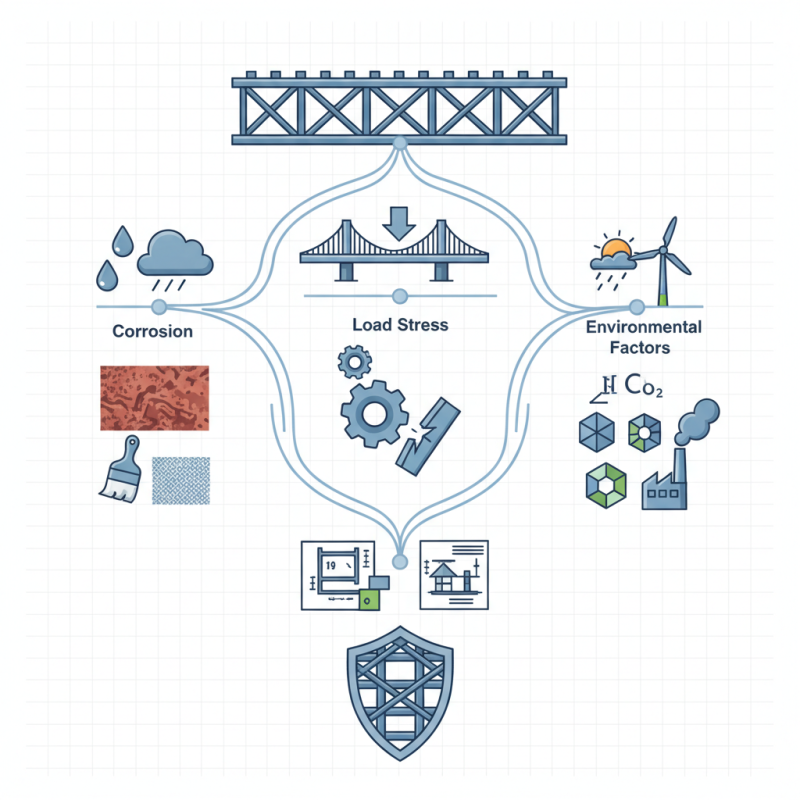
Corrosion is a primary concern. It can significantly weaken the material. Environmental factors play a huge role here. For instance, exposure to moisture or pollutants can accelerate deterioration. Coating and treatment methods can help, yet their effectiveness depends on proper application.
Load stress is another factor. Structures must withstand varying weights and forces over time. Poor design choices can lead to premature failure. Even the choice of steel grade affects performance. Choices must align with project-specific requirements. Recognizing these complexity issues is crucial for developing resilient steel structures.
Factors Influencing Corrosion Resistance in Steel Structures
Corrosion resistance is crucial for the durability of steel structures. Several factors influence this aspect. Environmental conditions, for instance, play a significant role. High humidity and exposure to saltwater accelerate corrosion. Urban areas with heavy pollution can also increase the risk of deterioration. Understanding these environmental impacts is essential for effective preventative measures.
Material composition further affects corrosion resistance. Certain alloys offer better performance in hostile conditions. Additionally, protective coatings can provide an extra barrier against corrosive elements. Regular maintenance is often overlooked but vital. Inspections can reveal early signs of wear or damage. Failing to address these issues can lead to larger problems later.
Design and construction methods are key as well. Proper drainage systems reduce water accumulation on surfaces. This small detail can significantly prolong the life of a structure. However, not all designs account for these needs. A proactive approach to construction could improve overall durability. While technology advances, basic principles still hold true. Balancing innovation with established practices can result in more resilient steel structures.
Impact of Environmental Conditions on Steel Durability
Environmental conditions play a critical role in determining the durability of steel structures. Factors like humidity, temperature fluctuations, and exposure to pollutants can significantly impact steel's lifespan. According to the American Institute of Steel Construction, steel can corrode at alarming rates when exposed to harsh environments, potentially reducing its strength and integrity.
High humidity combined with salt exposure accelerates corrosion. In coastal regions, for instance, chloride ions from seawater can penetrate protective coatings, leading to rapid deterioration. Reports indicate that under such conditions, steel structures can lose up to 50% of their strength within just a few decades. Regular maintenance and timely inspections become vital in these scenarios to detect early signs of corrosion.
Temperature extremes can also affect steel. When steel expands and contracts, it can create stress points leading to structural weaknesses. The effects are often exacerbated in regions with frequent freeze-thaw cycles. Studies show that nearly 30% of structural failures in such climates are linked to thermal fatigue. Awareness of these environmental impacts is essential for engineers and architects when designing steel structures for longevity.
Role of Material Properties in the Longevity of Steel Structures
The durability of steel structures hinges significantly on material properties. Generally, steel's mechanical characteristics determine how it withstands environmental challenges. According to the American Society of Civil Engineers, structural steel can exhibit remarkable tensile strength, with yields often reaching 250 megapascals or higher. However, this strength alone doesn’t guarantee longevity.
Corrosion resistance is another critical factor. Steel exposed to moisture can corrode, reducing its structural integrity. Studies show that galvanized steel can last up to 70 years with minimal maintenance. On the other hand, unprotected steel may degrade within 10-15 years under similar conditions. Furthermore, the choice of alloying elements can enhance resistance to wear and temperature fluctuations.
Another aspect often overlooked is the impact of fabrication practices. Poor welding techniques or inadequate surface treatments can greatly compromise performance. A 2022 report indicated that nearly 30% of structural failures resulted from fabrication errors. Factors like fatigue cracking and localized corrosion can emerge unexpectedly. These imperfections highlight the importance of meticulous construction and ongoing maintenance to ensure the reliable lifespan of steel structures.
Importance of Design Considerations for Enhanced Durability
Design considerations play a crucial role in enhancing the durability of steel structures. The selection of materials, for instance, significantly influences longevity. High-quality steel can resist corrosion better.
A well-designed drainage system helps to manage water, reducing the risks of rust. Additionally, proper insulation techniques can prevent temperature fluctuations that may weaken the structure over time.
Incorporating regular maintenance schedules is often overlooked but essential. Structures need inspections to identify wear and tear early on. Ignoring this can lead to costly repairs later. Furthermore, it’s vital to understand the environment in which a structure will exist.
Factors like humidity, exposure to chemicals, and even pollution levels should inform the design process. Architects and engineers must collaborate closely to ensure these factors are considered.
Ultimately, the goal should be to create resilient structures. However, not every design decision works as intended. Some structures may face issues that require reassessment. Learning from past successes and failures can guide future projects.
A reflective approach enhances our understanding of durability in steel construction. By prioritizing design considerations, we can improve the overall reliability of steel structures, making them better equipped to withstand the test of time.
Maintenance Practices that Extend the Life of Steel Structures
Proper maintenance is crucial for extending the life of steel structures. Regular inspections help identify issues early. Corrosion is a significant threat to steel. Maintaining protective coatings can significantly reduce rust formation. Sealants and paints should be applied according to the manufacturer's guidelines.
**Tips:** Keep an eye on high-moisture areas. Monitor for signs of wear and tear. Don't ignore minor damage; it can escalate quickly.
Another vital aspect is proper drainage. Ensure that water does not accumulate around steel structures. Standing water can lead to corrosion and structural failure. Maintaining clean gutters and drains can prevent this unforeseen damage.
**Tips:** Schedule regular cleaning for drainage systems. Look for blockages frequently. Small efforts can lead to major savings in maintenance costs.
2026 Best Factors Affecting Steel Structures Durability?
| Factor |
Description |
Impact on Durability |
Maintenance Practice |
Frequency |
| Corrosion Protection |
Applying coatings and treatments to prevent rust and degradation. |
High |
Reapply protective coatings |
Every 5 years |
| Load Management |
Ensuring structures are not overloaded beyond their capacity. |
Medium |
Regular load assessments |
Annual |
| Environmental Conditions |
Impact of weather and environmental factors on steel integrity. |
High |
Environmental monitoring and adjustments |
Ongoing |
| Design and Engineering |
Ensuring that designs account for stress, strain, and fatigue. |
Very High |
Consult structural engineers |
Every project |
| Regular Inspections |
Frequent assessments to identify potential issues early. |
High |
Conduct routine inspections |
Biannual |
FAQS
: Environmental conditions, material composition, and design methods significantly influence corrosion resistance.
High humidity and saltwater exposure accelerate corrosion. Urban pollution increases the risk of deterioration.
Certain alloys perform better in harsh environments. Protective coatings provide additional corrosion barriers.
Inspections can reveal early signs of wear. Ignoring maintenance can lead to larger structural problems.
Proper drainage systems help reduce water accumulation. This small detail can significantly extend a structure's life.
Steel's tensile strength is essential, but corrosion resistance is equally crucial for maintaining structural integrity.
Poor welding or surface treatments can compromise steel performance. Many failures arise from fabrication errors.
Yes, galvanized steel can last up to 70 years with minimal upkeep, while unprotected steel may only last 10-15 years.
While technology is vital, balancing it with basic construction principles is crucial for resilient structures.
Ongoing maintenance and meticulous construction practices can reduce the risk of issues like fatigue cracking.
Conclusion
The durability of steel structures is influenced by several key factors, significantly impacting their overall performance and lifespan. What affects the durability of steel structures primarily includes corrosion resistance, which is critical in mitigating the effects of environmental exposure. Factors such as humidity, temperature fluctuations, and the presence of corrosive agents play a vital role in weakening steel over time. Material properties, such as composition and treatment, also contribute to the longevity of these structures, ensuring they can withstand harsh conditions.
Design considerations further enhance durability by incorporating protective measures and innovative engineering solutions that address environmental challenges. Additionally, regular maintenance practices are essential in extending the life of steel structures. By implementing proactive maintenance strategies, stakeholders can effectively minimize deterioration and preserve the integrity of steel over the years, ensuring safety and reliability in various applications.
 Altimexor Metal

%20Metal%20Products%20Co.%2C%20Ltd._Steel%20Pipe%2CSteel%20Plate&images=https%253A%252F%252Fomo-oss-image.thefastimg.com%252Fportal-saas%252Fpg2025102019471928898%252Fcms%252Fimage%252F048d5311-fbf7-4e5e-8816-c4626d2ac3bf.png_1920xaf.png&summary=)