Maintaining steel structures is crucial to ensure their longevity and prevent rust. As industry expert John Smith, a structural engineer with over 20 years of experience, advises: “The key to preventing rust is proactive maintenance.” This statement underlines the importance of regular care in extending the life of steel infrastructures.
When considering how to maintain steel structures to prevent rust, several essential practices emerge. Proper surface preparation before painting is critical. A well-prepared surface can enhance the adhesion of protective coatings. Regular inspections help identify signs of corrosion early. Even minor rust spots can lead to major structural issues if neglected.
Another important aspect is choosing the right protective coatings. There are various options available, from paints to galvanization. Each has its unique benefits. However, relying solely on coatings without regular maintenance can be a mistake. It is necessary to remain vigilant and responsive. Simple actions, like cleaning debris and ensuring proper drainage, can prevent water accumulation and reduce the risk of rust. Emphasizing these practices can significantly prolong the life of steel structures.
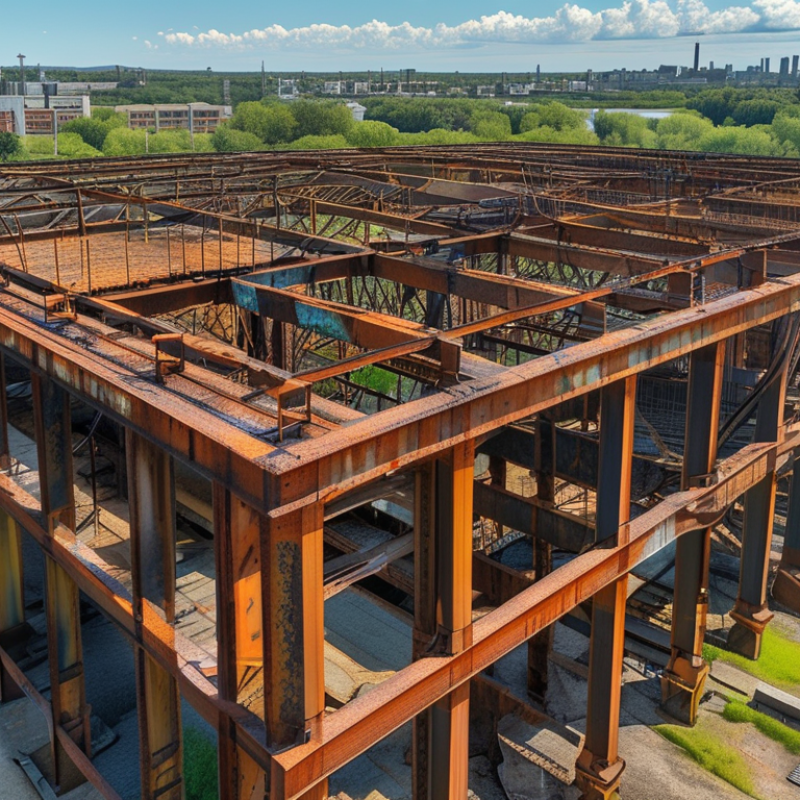
Understanding the Causes of Rust in Steel Structures
Rust forms on steel due to a chemical reaction between iron, oxygen, and moisture. This process is accelerated by environmental factors such as humidity and salinity. According to the Corrosion Control Association, corrosion costs the U.S. economy about $276 billion annually. Understanding these elements is key to preventing rust in steel structures.
Surface conditions play a crucial role in rust formation. Contaminants like dirt and oil create barriers and can trap moisture against the steel. Regular cleaning can help remove these barriers. The presence of protective coatings forms a layer shielding against moisture and oxygen. However, these coatings can wear down, exposing the steel underneath. Users must frequently assess the integrity of these protective layers.
Seasonal changes can also affect rust development. For instance, winter salt usage increases the risk of corrosion during the spring thaw. Data shows that structures in coastal areas face a higher corrosion rate due to saltwater exposure. Monitoring and implementing preventative measures, like sacrificial anodes or cathodic protection, are essential yet often overlooked steps. Careful consideration of these factors can ensure steel structures remain intact longer, reducing future repair costs.
Importance of Regular Inspections for Steel Structures
Regular inspections are crucial for maintaining steel structures. They can help catch early signs of rust and wear before they escalate into serious problems. Skilled inspectors know what to look for, including cracks and corrosion patterns. They can assess not only the surface but also hidden areas that might be prone to rust. This way, timely maintenance can be executed, extending the life of these structures.
Consider integrating routine inspections into your maintenance plan. It’s essential to conduct visual checks regularly. Use specialized techniques like ultrasonics or magnetic particle inspections for deeper evaluations. Additionally, keep a detailed record of all inspections. This can help identify patterns over time, revealing potential weaknesses that need to be addressed.
To prevent rust, ensure that your steel structures are well coated. Repainting and applying protective coatings can prevent moisture exposure, reducing the risk of oxidation. Regular cleaning is also vital. Remove debris and dirt that can trap moisture against the steel. Find a balance between maintenance frequency and costs to optimize your resources effectively. It’s a continuous process that requires vigilance and commitment.
Effective Cleaning Techniques to Remove Rust and Contaminants
Maintaining steel structures requires effective cleaning techniques to combat rust and contaminants. Regular inspection is essential. Look for signs of rust or decay. Spotting issues early minimizes damage and costly repairs. Use a wire brush or grinder to tackle surface rust. Power washing can effectively remove dirt and grime.
For more stubborn rust, consider sandblasting or chemical rust removers. These methods can restore the steel's surface. However, be cautious with chemicals; they can cause harm if misused. Always wear protective gear. After cleaning, applying a primer can protect the metal from future corrosion.
The environment plays a significant role in rust formation. Humid or salty air accelerates the process. Be mindful of your steel structure's location. Sometimes, a simple cleaning routine can prevent extensive rust damage. Regular maintenance checks ensure longevity. Adjust your cleaning habits based on specific conditions to achieve the best results.
10 Best Tips to Maintain Steel Structures and Prevent Rust
Protective Coating Options to Prevent Rust Formation
Protective coatings are essential for maintaining the integrity of steel structures. These coatings create a barrier against moisture and corrosive elements. Common protective options include paints, galvanization, and powder coating. Each method has its advantages and considerations, making it crucial to choose wisely based on the environment.
For example, paint can provide a colorful finish. However, it may require frequent touch-ups and isn’t always the most durable. Galvanization, which involves coating steel with zinc, offers excellent protection. Yet, it can be more expensive and may not adhere well in certain conditions. Powder coating can offer a stronger bond. Yet, it is not easy to repair if damaged.
When selecting a protective coating, consider the specific conditions of the structure. Factors such as humidity, temperature fluctuations, and exposure to chemicals matter. Regular inspection of coatings can uncover issues early. It is important to assess whether a coating adequately protects against rust over time. Choosing the right protective method requires careful thought and consideration of both costs and longevity.
Best Practices for Maintenance to Ensure Longevity of Steel Elements
Steel structures are vital in construction, yet they are susceptible to rust. Regular maintenance is key to their longevity. According to the Corrosion Prevention Association, untreated steel can show signs of rust within just three months of exposure. Thus, proactive measures are essential.
Inspecting steel elements every six months is recommended. Look for any signs of corrosion, such as discoloration or flaking. Experts suggest applying a protective coat to prevent moisture accumulation. This adds a barrier against rust. Keeping surfaces clean from debris is also crucial. Accumulated dirt and moisture can accelerate the corrosion process.
Data from the National Association of Corrosion Engineers indicates that corrosion-related costs in the U.S. exceed $297 billion annually. Regular maintenance can significantly reduce these costs. Consider investing in advanced coatings or galvanization for added protection. However, ensure that these methods align with the environmental regulations in your area. It’s important to stay informed about evolving maintenance practices and technologies.
FAQS
: Regular inspections help catch early signs of rust and wear. This prevents serious problems later.
Inspectors assess cracks, corrosion patterns, and hidden areas. They know how to identify potential issues effectively.
It's recommended to inspect steel elements every six months. Regular checks help maintain their integrity.
Use protective coatings, repaint regularly, and keep surfaces clean. Moisture exposure must be minimized.
Regular cleaning removes debris that traps moisture. This is vital to slow down the corrosion process.
Consider humidity, temperature changes, and chemical exposure. Each condition affects coating performance differently.
Corrosion-related costs exceed $297 billion annually. This underlines the importance of regular maintenance.
Paint needs frequent touch-ups, while galvanization can be costly. Powder coating is hard to repair if damaged.
Keeping detailed records reveals patterns over time. This helps identify weaknesses needing timely attention.
Yes, staying informed about evolving practices and technologies is crucial for effective rust prevention and structure care.
Conclusion
To effectively maintain steel structures and prevent rust, understanding the causes of rust formation is essential. Factors such as moisture, pollutants, and improper installation can accelerate rusting. Regular inspections are crucial, allowing for early detection of rust and other issues, ensuring prompt maintenance actions are taken. Effective cleaning techniques, such as abrasive blasting or chemical cleaning, can help remove existing rust and contaminants before protective measures are applied.
Protective coatings, including paints and galvanization, are vital in creating a barrier against environmental elements that cause rust. Additionally, implementing best practices for maintenance, such as routine checks and timely repairs, contributes to the longevity of steel elements. In summary, knowing how to maintain steel structures to prevent rust involves a combination of proactive monitoring, thorough cleaning, and appropriate protective measures, ensuring these structures remain safe and durable over time.
 Altimexor Metal

%20Metal%20Products%20Co.%2C%20Ltd._Steel%20Pipe%2CSteel%20Plate&images=https%253A%252F%252Fomo-oss-image.thefastimg.com%252Fportal-saas%252Fpg2025102019471928898%252Fcms%252Fimage%252F048d5311-fbf7-4e5e-8816-c4626d2ac3bf.png_1920xaf.png&summary=)