Stainless steel and carbon steel serve distinct purposes in various industries. Understanding their advantages is crucial for making informed decisions. What are the benefits of stainless steel vs carbon steel? According to Dr. Samuel Thompson, a materials science expert, "Stainless steel offers superior corrosion resistance. This makes it a preferred choice in many applications."
Stainless steel exhibits remarkable durability and longevity. It withstands harsh environments. This resistance to rust and stains makes it ideal for medical and food industries. On the other hand, carbon steel is known for its strength and affordability. However, it is more susceptible to corrosion. These characteristics raise essential questions about the best material for specific tasks.
Choosing between stainless steel and carbon steel involves trade-offs. While stainless steel may be more expensive, its long-term benefits often justify the cost. Understanding these materials' unique properties can lead to more efficient and reliable outcomes. As Dr. Thompson highlights, an informed choice can significantly impact performance and lifespan.
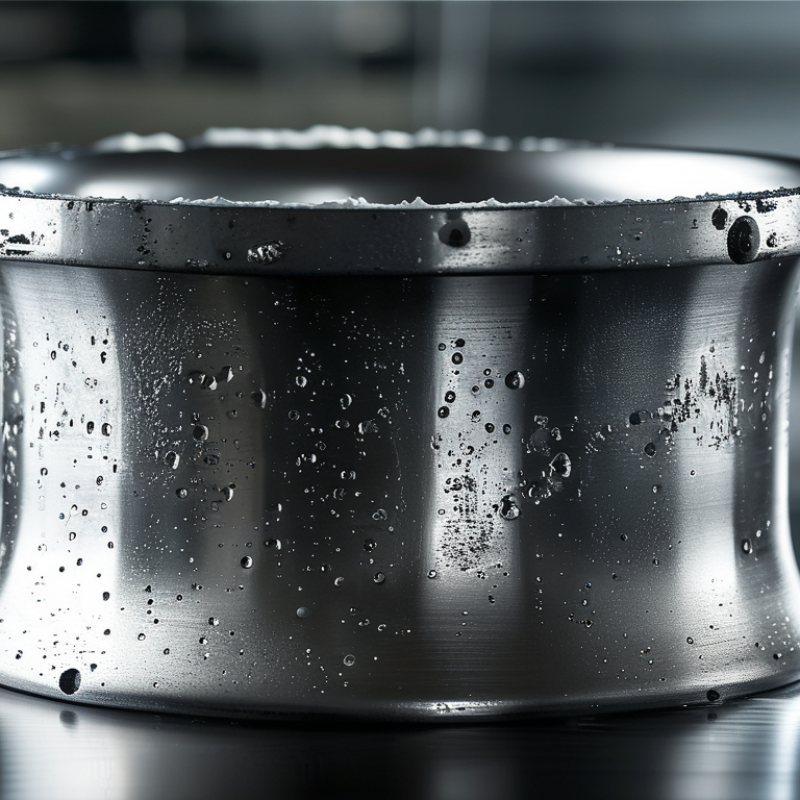
Advantages of Stainless Steel: Corrosion Resistance Compared to Carbon Steel
Stainless steel is renowned for its exceptional corrosion resistance, especially when compared to carbon steel. This quality makes it ideal for various applications, such as kitchenware, medical instruments, and outdoor furniture. In humid or coastal environments, stainless steel maintains its integrity, preventing rust and degradation. Carbon steel, in contrast, is prone to oxidation and corrosion. Using carbon steel in wet conditions can lead to significant maintenance issues and shorter lifespans for products.
The processes used to create stainless steel enhance its resistance to rust. Chromium, a key component, forms a protective layer on the surface. This layer prevents moisture and oxygen from reaching the underlying metal. Despite its advantages, stainless steel can be more expensive. Many users might hesitate, fearing higher upfront costs. In practice, the long-term savings due to reduced maintenance and replacement needs often justify the investment.
While stainless steel holds undeniable advantages, it’s not without drawbacks. Its durability can make it challenging to work with, particularly for welding and machining. Some might find its high strength leads to brittleness in specific applications. Understanding these nuances is important for anyone considering stainless steel over carbon steel. Investing in proper knowledge and expertise can guide choices between these materials for specific needs.
Durability and Longevity: How Stainless Steel Outperforms Carbon Steel
Stainless steel offers exceptional durability and longevity compared to carbon steel. Its resistance to rust and corrosion means it can withstand harsh environments much better. For instance, in marine applications, stainless steel retains strength even after years of exposure to saltwater. This quality is vital for coastal structures and boats, where failure is not an option.
Carbon steel, while strong, often succumbs to rust when exposed to moisture. In many cases, it requires regular coatings to remain functional. During construction, this can lead to increased maintenance costs. In contrast, stainless steel might have a higher initial cost, but its lifespan often justifies the investment. Over time, the reduction in maintenance and replacement needs can result in significant savings.
Some may argue that stainless steel is too costly upfront. However, considering its low environmental impact and recycling potential, it becomes a more sustainable choice. The decision between the two should often reflect the specific needs of a project. Reflection on practical applications helps ensure that the right material is chosen for long-term benefits.
Maintenance Requirements: Cleaning and Care for Stainless vs Carbon Steel
When considering maintenance requirements, stainless steel offers various benefits over carbon steel. Stainless steel is inherently more resistant to corrosion due to the presence of chromium. This property allows it to maintain its appearance longer, requiring less frequent cleaning. Reports suggest that stainless steel surfaces can last up to three times longer than carbon steel in humid environments.
Cleaning stainless steel is relatively straightforward. Often, a solution of warm water and mild detergent suffices. Wiping with a soft cloth helps prevent scratches. In contrast, carbon steel requires more meticulous care. It needs regular oiling to stave off rust. Neglecting this can lead to significant deterioration, which may necessitate costly repairs or replacement.
However, maintaining stainless steel isn't without its challenges. Over time, it can develop scratches or tarnishing. These imperfections require specific cleaners to restore its luster. Users may overlook the need for periodic maintenance, leading to a dull finish. Understanding these nuances is vital for both materials, as proper care extends their lifespan significantly.
China Top 10 Benefits of Stainless Steel vs Carbon Steel
| Aspect |
Stainless Steel |
Carbon Steel |
| Corrosion Resistance |
High; resistant to rust and corrosion |
Low; susceptible to rust without coating |
| Maintenance |
Low; easy to clean and maintain |
High; requires regular oiling and painting |
| Durability |
Very durable; long lifespan |
Moderately durable; can wear down |
| Cost |
Higher initial cost |
Lower initial cost |
| Aesthetic Appeal |
Sleek and modern appearance |
Standard industrial look |
| Heat Resistance |
Excellent; withstands high temperatures |
Good; but can warp under extreme heat |
| Weight |
Generally lighter |
Generally heavier |
| Recyclability |
Highly recyclable |
Recyclable, but lower recovery rate |
| Chemical Resistance |
High; resistant to various chemicals |
Limited; can be affected by acids |
| Application Versatility |
Very versatile; used in many industries |
Commonly used in industrial applications |
Aesthetic Appeal: The Visual Benefits of Stainless Steel Over Carbon Steel
Stainless steel is renowned for its aesthetic appeal. Its sleek, shiny surface adds a modern touch to any space. Many architects and designers favor it for this very reason. This material reflects light beautifully, creating striking visual effects. In contrast, carbon steel often appears dull and less polished. Its finish can lack the sophistication that many seek in contemporary designs.
The versatility of stainless steel cannot be overlooked. It is available in various finishes, from brushed to mirror-like. These options allow for creative freedom in design. Many people appreciate the ability to match stainless steel with different architecture styles. However, some may find its high shine overwhelming or too sterile in certain settings. Choosing the right finish is crucial for achieving the desired look.
Maintenance plays a significant role in aesthetics. Stainless steel resists rust and stains, preserving its appearance over time. This durability keeps it looking new for longer periods. Carbon steel, in contrast, requires more upkeep to prevent corrosion. Its tendency to rust can lead to an unattractive appearance if not properly cared for. Individuals need to weigh these factors when selecting materials for their projects. Far too often, decisions are made without considering long-term aesthetics and maintenance.
China Top 10 Benefits of Stainless Steel vs Carbon Steel
Cost Considerations: Evaluating Price Differences and Value for Both Materials
When comparing stainless steel and carbon steel, cost considerations are crucial. Typically, stainless steel is priced higher, with a price range of $2.50 to $3.50 per pound, while carbon steel usually costs between $0.50 and $2.00 per pound. These differences stem from the alloying elements in stainless steel, notably chromium and nickel, which enhance its durability and corrosion resistance.
However, the initial investment in stainless steel can yield long-term savings. For example, projects that involve outdoor structures could see reduced maintenance costs with stainless steel due to its resistance to rust and environmental wear. According to reports, maintenance costs for carbon steel can be up to 30% higher over a 10-year period due to frequent repainting and repairs. This data underscores the value proposition of stainless steel despite its higher upfront cost.
Yet, some may question whether the benefits justify the price difference. For applications with minimal exposure to corrosive environments, carbon steel may be sufficient and cost-effective. Additionally, the potential for fluctuations in commodity prices complicates the decision, as these can impact the total cost of ownership. Balancing immediate costs against long-term benefits is essential for making an informed choice.
FAQS
: Stainless steel has exceptional corrosion resistance, especially compared to carbon steel.
Chromium forms a protective layer, preventing moisture from reaching the metal beneath.
The higher upfront costs of stainless steel can deter some buyers, despite long-term savings.
Its high strength can make welding and machining challenging, sometimes leading to brittleness.
Stainless steel often needs less maintenance, usually requiring just warm water and mild detergent.
Ignoring carbon steel's care can lead to rust and the need for costly repairs.
Yes, it can develop scratches or tarnishing, which require specific cleaners to fix.
While it stays cleaner longer, periodic maintenance is still needed to avoid a dull finish.
Its corrosion resistance allows it to maintain its integrity in humid or coastal areas.
Proper care can greatly extend the lifespan of both stainless and carbon steel products.
Conclusion
When comparing stainless steel to carbon steel, there are several key benefits to consider. One of the most significant advantages of stainless steel is its corrosion resistance, making it ideal for environments prone to moisture and chemicals. Additionally, stainless steel offers enhanced durability and longevity, outperforming carbon steel in terms of wear and tear over time. Maintenance is another critical factor; stainless steel requires less upkeep, as it is easier to clean and resist stains better than carbon steel.
Aesthetic appeal also plays a role in the benefits of stainless steel vs carbon steel; its shiny, modern finish is often more visually appealing. Finally, while the initial cost of stainless steel may be higher, its longevity and reduced maintenance needs can lead to better overall value. Understanding these aspects is essential for determining what are the benefits of stainless steel vs carbon steel, especially for applications in construction, culinary, and various industrial uses.
 Altimexor Metal

%20Metal%20Products%20Co.%2C%20Ltd._Steel%20Pipe%2CSteel%20Plate&images=https%253A%252F%252Fomo-oss-image.thefastimg.com%252Fportal-saas%252Fpg2025102019471928898%252Fcms%252Fimage%252F048d5311-fbf7-4e5e-8816-c4626d2ac3bf.png_1920xaf.png&summary=)