Altimexor Metal Altimexor Metal

How to Choose the Best Steel for Your Construction Needs?

Time:2026-07-19 Author:Amelia
0%

Choosing the right steel for construction is crucial. The steel quality directly impacts structural integrity. Various projects require different types of steel. Understanding your specific needs is essential.

When selecting steel, consider its strength, durability, and corrosion resistance. These factors determine its performance over time. Also, factor in local climate conditions. The right choice can save future repair costs.

Additionally, the selection process involves understanding codes and standards. Each region may have unique regulations. Consult with a qualified engineer or supplier for expert guidance. An informed choice in steel helps ensure safety and reliability in your construction project.
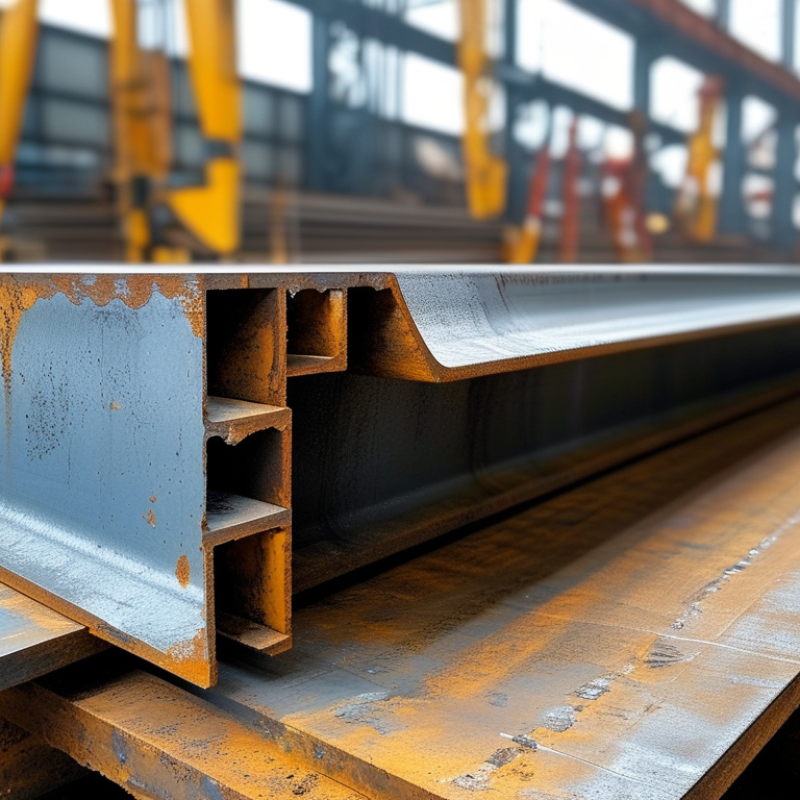
How to Choose the Best Steel for Your Construction Needs?

Types of Steel: Understanding Structural vs. Reinforcing Steel

When selecting the right steel for construction, it’s crucial to distinguish between structural steel and reinforcing steel. Structural steel is primarily used for framework, giving strength and stability to buildings. According to a recent report from the American Institute of Steel Construction, structural steel accounts for around 80% of all steel used in construction projects. It offers excellent tensile strength and durability, making it a preferred choice for high-rise buildings and bridges.

In contrast, reinforcing steel, often known as rebar, is essential for enhancing the tensile strength of concrete structures. It helps prevent cracking and extends the lifespan of concrete. The World Steel Association notes that about 10% of global steel production is dedicated to reinforcing steel. The specific grades and types of rebar can significantly impact the overall quality of construction. It’s critical to understand these variations to avoid potential structural failures.

Choosing the wrong type can lead to serious issues. For instance, using lower-grade reinforcing steel in a heavily loaded beam may result in premature failure. Thus, careful consideration is needed, along with professional advice. The right selection combines knowledge of material properties with experience in the field. Failing to recognize these differences can increase risks and costs in the long run.

Key Mechanical Properties of Steel for Construction Applications

Selecting the right steel for construction is crucial. Key mechanical properties determine its suitability for specific applications. Yield strength and tensile strength are vital metrics. Yield strength indicates the maximum stress a material can withstand without permanent deformation. Typically, structural steel has a yield strength ranging from 250 MPa to over 450 MPa, depending on the grade.

Another key property is ductility, which reflects how a material deforms under stress. Ductile materials can absorb energy and undergo significant deformation before failure. This aspect is critical in earthquake-prone areas, where buildings must withstand dynamic loads. Additionally, the toughness of steel, measured by its ability to absorb energy during impact, is essential for structures exposed to harsh weather conditions.

Corrosion resistance is also important. While carbon steel is strong, it may require protective coatings or treatments for outdoor applications. According to a recent report by the American Institute of Steel Construction, steel structures in coastal areas often see a 20% increase in maintenance costs due to corrosion. Balancing these properties often needs careful consideration, reflecting the complex demands of modern construction.

How to Choose the Best Steel for Your Construction Needs? - Key Mechanical Properties of Steel for Construction Applications

Steel Type Yield Strength (MPa) Tensile Strength (MPa) Elongation (%) Modulus of Elasticity (GPa) Hardness (Brinell)
Structural Steel (S235) 235 360-510 26 210 120
High Strength Steel (S355) 355 470-630 22 210 140
Weathering Steel (CORTEN) 345 490-620 19 210 130
Stainless Steel (304) 215 505 40 193 170
Reinforcing Steel (Rebar) 460 600-700 13 200 150

Industry Standards and Certifications for Quality Steel Selection

When selecting steel for construction, industry standards play a crucial role. Various certifications ensure the material's quality and performance. Standards like ASTM, ISO, and EN guide the selection process. These organizations set benchmarks for mechanical properties, chemical composition, and durability.

Understanding certifications is essential. For example, a steel product with an ASTM certification has undergone rigorous testing. This process indicates it meets specific structural requirements. Similarly, ISO certifications reflect adherence to international quality management systems. These certifications can simplify the decision-making process. They provide confidence in the steel's reliability.

However, challenges remain. Some lesser-known standards may not be as reliable. It’s essential to research the credentials of suppliers. Transparency in testing and documentation can reveal a lot. Misunderstanding or overlooking these details can lead to costly mistakes. Taking the time to verify standards pays off in the long run.

Cost-Effective Solutions: Balancing Strength and Price in Steel Choices

When selecting steel for construction, balancing strength and cost is crucial. High-strength steel can endure heavy loads, making it ideal for structural applications. However, its price might stretch your budget. Consider the project scale. A larger project often allows for bulk purchasing, reducing overall costs. Small adjustments can lead to significant savings.

Tips: Evaluate your specific construction requirements. Analyze the load-bearing needs and environmental factors. Sometimes, lower-grade steel can suffice. Ensure it meets safety standards without overspending.

Another aspect to consider is the long-term implications of your steel choice. Will it require frequent maintenance? Cheaper options may lead to higher upkeep costs down the road. Ask yourself how often is durability prioritized over initial expenditure? Striking a balance is often more complex than it seems.

Tips: Consult with engineers or material experts. Get multiple quotes before making a final selection. Their experience can unveil hidden costs associated with low-quality steel. Always prioritize both immediate needs and future performance.

Environmental Impact: Sustainable Steel Sourcing and Use in Construction

The construction industry is evolving, with a stronger focus on sustainable practices. Steel, a crucial material, has a significant environmental impact. Sourcing steel sustainably can reduce carbon footprints considerably. It’s essential to choose providers that prioritize responsible mining and production processes.

Recycled steel offers a viable solution. Using recycled materials not only decreases new steel demands but also conserves resources. It is a practice that reflects a commitment to sustainability. However, the recycling process can have its challenges, such as contamination. This requires careful inspection and processing standards.

Moreover, selecting steel should incorporate lifecycle assessments. Understanding how steel will perform throughout its use is vital. This includes considering its longevity and eventual recyclability. There is a learning curve in balancing quality, cost, and sustainability. Stakeholders must be diligent and reflect on their choices to ensure they contribute positively to the environment. Responsible sourcing is not just an option; it is a necessity for future generations.

Environmental Impact of Steel Sourcing in Construction

FAQS

: What are important factors to consider when selecting steel?

: Key factors include industry standards, certifications, strength, cost, and environmental impact.

Why are industry standards crucial in steel selection?

They ensure quality, performance, and suitable mechanical properties relevant to construction needs.

How do certifications affect steel quality?

Certifications indicate rigorous testing for structural requirements, providing assurance of reliability and safety.

What challenges exist in selecting steel?

Some standards may be lesser-known or unreliable, leading to potential costly mistakes.

How can one balance cost and strength in steel selection?

Evaluate project scale, load-bearing needs, and consider bulk purchasing for better pricing.

Why is sustainability important in steel sourcing?

Sustainable sourcing reduces carbon footprints and conserves resources, benefitting the environment.

What role do recycled steel materials play?

They decrease new steel demand and reflect a commitment to sustainability, despite contamination risks.

How can lifecycle assessments aid in steel selection?

They help understand performance, longevity, and recyclability throughout the steel’s use.

What should be prioritized when selecting steel?

Prioritize both immediate needs and future performance to avoid costly maintenance later.

Why is consulting experts beneficial in steel selection?

Experts can reveal hidden costs and provide insights on quality and suitability for projects.

Conclusion

Choosing the right steel for construction is crucial for ensuring structural integrity and durability. The article discusses various types of steel, highlighting the differences between structural and reinforcing steel, which serve different purposes in construction projects. It also delves into the key mechanical properties of steel that are essential for different applications, such as tensile strength and ductility.

Moreover, understanding industry standards and certifications is vital for selecting quality steel that meets safety requirements. The article emphasizes cost-effective solutions, guiding readers on how to balance strength and price when making their decision. Additionally, it addresses the environmental impact of steel sourcing, encouraging sustainable practices in the construction industry. Ultimately, the insights provided help builders and engineers make informed choices on how to choose the right steel for construction that aligns with both performance and sustainability goals.

Amelia

Amelia

Amelia is a seasoned marketing professional with a wealth of expertise in our company’s core offerings. With an unwavering passion for driving growth and innovation, she plays a pivotal role in shaping our marketing strategies and enhancing brand visibility. A key aspect of her responsibilities......