The longevity of steel materials is often compromised by corrosion. This degradation leads to significant economic losses and safety hazards. Understanding how coatings protect steel materials is crucial for enhancing their durability. Coatings create a barrier between steel and the environment, reducing direct exposure to moisture and corrosive agents.
Various types of coatings exist, from paints to advanced polymers. Each offers distinct advantages and limitations. For instance, some coatings are designed for harsh environments, while others are suitable for mild conditions. However, selecting the right coating requires careful consideration. The effectiveness of protection may vary based on application methods and environmental factors.
It’s important to acknowledge that coatings can wear over time. Regular maintenance is necessary to ensure continued protection. Flaws in application techniques or unexpected environmental conditions can compromise the coating's integrity. Consequently, understanding how coatings protect steel materials is an ongoing process that demands attention and adaptation to changing circumstances.
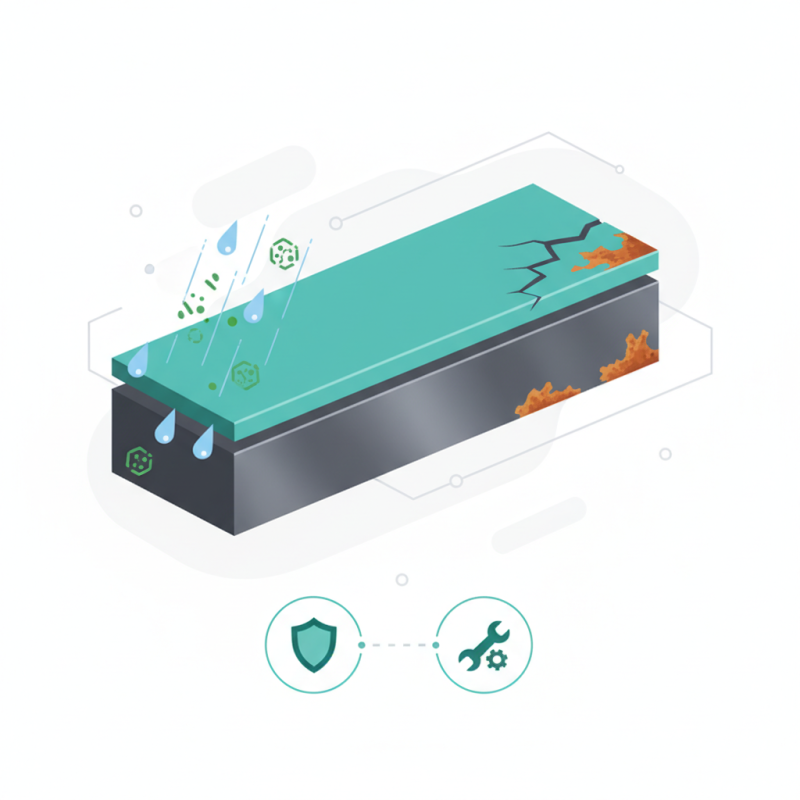
Types of Corrosion Affecting Steel Materials
Corrosion is a significant issue for steel materials. Understanding the various types of corrosion can help mitigate risks. One common type is uniform corrosion. It occurs evenly across surfaces, which weakens the material over time. According to a report by NACE International, this type alone accounts for about 30% of all corrosion issues in industrial settings.
Pitting corrosion is another type that poses serious risks. It creates localized holes and can lead to structure failure. This type is especially critical in stainless steels. Research indicates that pitting can reduce material's lifespan by more than 40% if not addressed promptly.
Galvanic corrosion happens when different metals are in contact. It can accelerate deterioration of less noble metals, such as steel, dramatically. In marine environments, this risk increases due to saltwater exposure. Operators must routinely inspect their structures to prevent unexpected failures. Monitoring tools could detect early signs of corrosion, yet many industries overlook this aspect. Regular maintenance remains crucial for extending the lifespan of steel materials.
Principles of Protective Coatings for Steel
Protective coatings play a vital role in safeguarding steel materials against corrosion. They create a barrier between the steel surface and the environment, inhibiting the onset of rust and deterioration. These coatings can be organic or inorganic, each offering distinct benefits. Organic coatings, like paints, provide a flexible layer, while inorganic options, such as galvanization, offer solid, durable protection.
Understanding the principles behind these coatings is crucial. Coatings should adhere well to the steel surface, preventing moisture and harmful chemicals from coming in contact. The thickness and composition of the coating can determine its effectiveness. While thicker coatings may offer added protection, they can also be more prone to cracking or peeling under stress. It's essential to find a balance for optimal performance.
Testing and evaluation are key components in coating applications. Engineers often conduct assessments to measure corrosion resistance under different conditions. This ongoing process helps in identifying weaknesses in existing coatings and developing improvements. No coating is infallible, and there is always room for innovation and refinement in protecting steel materials from the relentless effects of corrosion.
Common Coating Materials Used for Corrosion Protection
Coatings are vital in protecting steel from corrosion. Various materials are used to create effective barriers. Each material has its unique properties that influence performance.
One common coating is
epoxy. It forms a strong, durable layer. This layer
resists moisture and chemicals, making it ideal for industrial environments. However,
application can be tricky. If not applied correctly, it can lead to defects.
Another popular option is
polyurethane. It offers excellent flexibility and UV resistance. This makes it suitable for outdoor applications. Nevertheless, polyurethane can be sensitive to temperature during application.
Improper conditions may affect adhesion.
Zinc coatings are also widely used. They provide cathodic protection, sacrificing themselves to protect the underlying steel. However, their effectiveness depends on
thickness. Too thin a layer can lead to rapid corrosion. Each coating material has strengths and weaknesses, requiring careful consideration to ensure optimal protection for steel materials.
Application Techniques for Coatings on Steel Surfaces
Coating application techniques play a vital role in protecting steel from corrosion. A recent report by the National Association of Corrosion Engineers (NACE) shows that effective coatings can extend the lifespan of steel structures by more than 15 years. Proper surface preparation is crucial. Steel surfaces must be cleaned of contaminants like rust and oil. This can be achieved through methods such as sandblasting or chemical cleaning. Inadequate preparation can lead to coating failure, compromising corrosion protection.
After the surface is ready, various application methods can be employed. Spray application is common for large areas, allowing even coverage. Brush or roller application is practical for smaller, hard-to-reach spaces. According to a report from the International Standards Organization (ISO), the application temperature should be monitored closely. Ideal conditions enhance adhesion and durability. Inconsistent application thickness can lead to weak spots. Coatings need consistent maintenance as well. Regular inspections can identify wear and tear before severe corrosion begins.
Understanding these techniques is essential for industries reliant on steel construction. The consequences of overlooking coatings are significant. The Federal Highway Administration (FHWA) cites billions in damage due to corrosion-related failures annually. These figures emphasize the need for diligent and knowledgeable application of protective coatings to mitigate corrosion risks effectively.
Performance Monitoring and Maintenance of Coated Steel Structures
Monitoring the performance of coated steel structures is crucial for ensuring their longevity. Regular inspections can reveal early signs of wear. For instance, chips or scratches in the coating may expose steel to moisture. This can lead to rust formation if left unchecked. Visual assessments are one method. However, advanced techniques like ultrasonic testing provide more in-depth data.
Maintenance should focus on timely repairs. Touching up damaged areas can prevent larger issues down the road. A common challenge is often overlooked spots where corrosion may begin. Hidden areas, like joints and seams, require special attention. Keeping a maintenance log helps track repairs and inspections over time.
While coatings significantly reduce corrosion risk, they are not infallible. Environmental factors like humidity and temperature changes can affect coating performance. Regular assessments can help engineers adjust maintenance schedules based on these variables. Involving trained professionals is essential for a thorough evaluation. Their expertise can identify potential problems early. This proactive approach is vital for extending the life of coated structures.
FAQS
: Uniform corrosion occurs evenly across surfaces, weakening the material over time. It represents about 30% of industrial corrosion issues.
Pitting corrosion creates localized holes in materials. If untreated, it can reduce a steel's lifespan by over 40%.
Galvanic corrosion occurs when different metals touch, causing rapid deterioration, especially in marine environments with saltwater exposure.
Protective coatings create a barrier against moisture and chemicals, preventing rust and deterioration of steel materials.
Surface preparation is crucial. Contaminants like rust and oil must be removed to ensure effective coating adhesion.
Spray application is ideal for large areas, while brush or roller application suits smaller, hard-to-reach spaces.
Coating thickness affects performance. Thicker coatings offer more protection but may crack or peel under stress.
Testing assesses corrosion resistance, identifies weaknesses, and supports ongoing improvements. No coating is perfect or permanent.
Regular inspections can catch wear and tear before severe corrosion occurs, extending the lifespan of steel structures.
Ignoring coatings can lead to significant damage and costs. Billions are incurred annually from corrosion-related failures.
Conclusion
This article explores how coatings protect steel materials from corrosion, a critical issue affecting the longevity and performance of steel structures. It begins by examining the various types of corrosion that steel can face, including uniform corrosion, pitting, and galvanic corrosion. Understanding these threats is essential for selecting appropriate protective measures.
The principles of protective coatings are highlighted, emphasizing their role in creating barriers to moisture and corrosive elements. Common materials used for coatings, such as epoxy, polyurethane, and zinc, are discussed, along with effective application techniques that ensure optimal adhesion and durability. Finally, the importance of performance monitoring and maintenance of coated steel surfaces is addressed, underscoring the need for regular inspections to extend their service life and maintain structural integrity. Overall, the article provides valuable insights into how coatings protect steel materials and the best practices for their application and upkeep.
 Altimexor Metal

%20Metal%20Products%20Co.%2C%20Ltd._Steel%20Pipe%2CSteel%20Plate&images=https%253A%252F%252Fomo-oss-image.thefastimg.com%252Fportal-saas%252Fpg2025102019471928898%252Fcms%252Fimage%252F048d5311-fbf7-4e5e-8816-c4626d2ac3bf.png_1920xaf.png&summary=)