Steel fabrication is a critical industry worldwide. Many buyers seek reliable methods to meet their project needs. Understanding what are common steel fabrication methods is essential for choosing the right approach.
Various techniques are employed in this field, each with its unique advantages. Techniques like welding, bending, and machining are fundamental. Each method requires specific tools and expertise. Buyers must assess their project requirements carefully. For instance, the choice between cutting and welding can significantly affect project outcomes.
Several challenges persist in steel fabrication. Quality control and material availability are common concerns. Moreover, the sustainability of practices is under scrutiny. As the industry evolves, staying informed about these methods is vital. Embracing best practices ensures that buyers make informed decisions. Understanding these common methods leads to successful project execution.
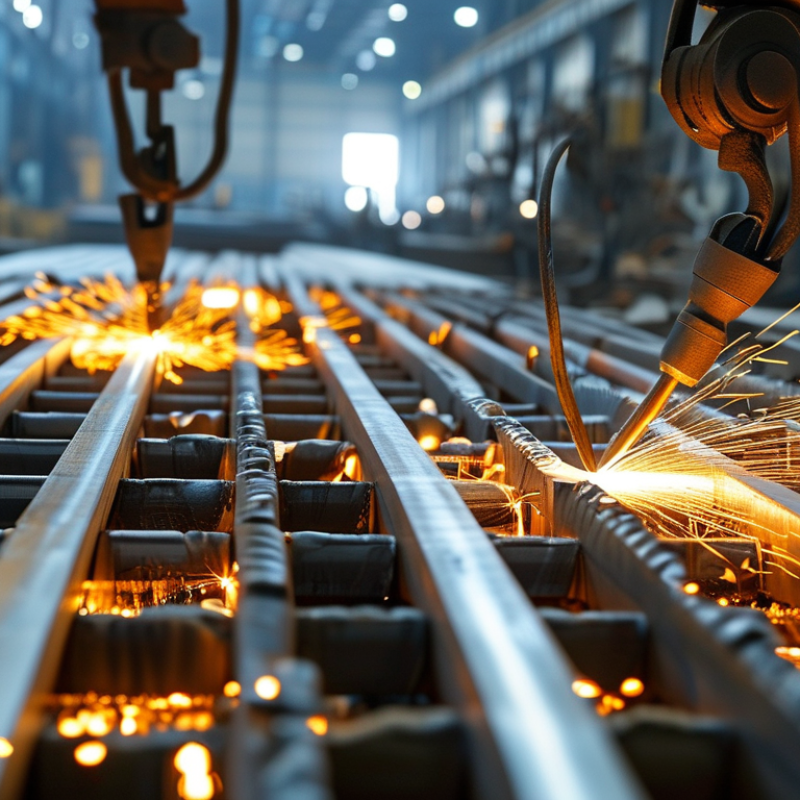
Overview of Steel Fabrication in Global Markets
Steel fabrication is a vital sector in global markets. It involves various processes that transform raw steel into useful components. Common techniques include cutting, bending, and welding. Each method has its specific applications, impacting industries like construction and manufacturing.
In many regions, the demand for steel products is rising. Markets are increasingly focused on sustainability and efficiency. However, challenges persist. Supply chain issues can disrupt production. Quality control remains a concern, especially when sourcing materials. Buyers must navigate these complexities to ensure reliability.
Understanding regional preferences is crucial. Different countries have varying standards and certifications. Local regulations can affect production methods. It’s essential for buyers to be aware of these factors. As globalization continues, the landscape will evolve and present new opportunities and risks for stakeholders in steel fabrication.
Key Steel Fabrication Methods Employed Worldwide
Steel fabrication is essential in construction and manufacturing. Key methods vary significantly across the globe. Among these methods, welding, cutting, and forming are the most common. Each technique serves a distinct purpose and is chosen based on project requirements.
Welding involves joining metal pieces together. It ensures structural integrity and durability. Different welding techniques exist, including MIG and TIG. Each technique differs in application and material compatibility. Cutting, on the other hand, utilizes tools like plasma cutters and laser systems. This method allows for precise shapes and sizes. Precision is crucial for ensuring the components fit perfectly during assembly.
When selecting a fabrication method, consider the materials at hand. Different metals may require specific methods. Always assess the equipment available and the expertise of the workforce. Tips: Invest time in training your team. Effective training leads to better outcomes. Additionally, experiment with small projects before large-scale implementation. This practice can reveal potential issues early on, allowing for necessary adjustments.
Comparative Analysis of Traditional and Modern Techniques
In the realm of steel fabrication, traditional methods have long stood the test of time. Techniques such as welding and riveting date back decades, often relying on skilled labor and manual processes. These methods can produce strong structures but are often time-consuming and labor-intensive. High variability in outcomes may arise, influenced by the skills of individual workers. This inconsistency can impact project timelines and costs, leading to an increased need for quality control.
On the other hand, modern techniques like laser cutting and robotic welding offer precision and efficiency. They significantly reduce production time and labor costs. However, reliance on advanced technology can introduce a new set of challenges. For example, these machines require regular maintenance and operator training. If not properly managed, downtime can lead to project delays. Additionally, the initial investment in such technologies can be substantial. It raises questions about long-term value compared to traditional methods.
Balancing these approaches is crucial. As steel fabrication evolves, buyers must weigh the benefits of technology against the nuances of manual craftsmanship. This decision often reflects project requirements and budget constraints. Exploring both sides of the coin leads to informed choices that can enhance project outcomes.
Advantages and Disadvantages of Various Fabrication Methods
Steel fabrication methods vary widely, each with unique advantages and disadvantages. One common technique is
welding. This method creates strong bonds between metal pieces. However, welding requires skilled labor,
which can increase costs. Misalignment during the process may lead to weaknesses in the final product.
Another prevalent method is machining. This technique enables precise shaping of steel components. It results in high accuracy, making it ideal
for complex designs. Nevertheless, machining can be time-consuming and may produce waste materials. Buyers need to weigh the benefits of
precision against potential delays in production.
Lastly, laser cutting is gaining popularity. It allows for intricate designs with minimal mechanical stress. However, equipment costs can be
high, and not all materials respond well. Potential clients might find the initial investment challenging. A thorough assessment of these fabrication
methods is crucial for making informed decisions.
Future Trends in Steel Fabrication for Global Buyers
The steel fabrication industry is evolving rapidly. As global buyers seek efficiency and sustainability, innovative methods are emerging. Many manufacturers are adopting automation and advanced machinery. This shift enhances precision and reduces waste. Additionally, digital technologies are joining the fray. For example, robotics and AI streamline production processes.
Tips: Embrace new technologies cautiously. Understand the capabilities and limitations of these tools. Sometimes, the best solution is a balance between human skill and automated processes.
Sustainability is becoming paramount. Steel producers are increasingly focused on reducing their carbon footprint. The use of recycled steel is on the rise. Green methods are gaining traction, and companies are looking to maximize energy efficiency. However, adapting to these changes can be challenging. Some may resist altering traditional processes.
Tips: Evaluate your current practices. Investigate what sustainable options exist. Small changes can lead to significant progress over time.
FAQS
: Steel fabrication transforms raw steel into useful components through processes like cutting, bending, and welding.
It supports industries like construction and manufacturing, providing essential components for various structures and products.
Supply chain issues, quality control, and varying regional standards can disrupt production and affect reliability.
Traditional methods rely on skilled labor and are labor-intensive while modern methods focus on precision and efficiency.
Welding requires skilled labor, which can increase costs, and misalignment can weaken the final product.
Laser cutting allows for intricate designs but may involve high equipment costs and not all materials are compatible.
Operator training is essential for modern techniques to prevent downtime and ensure smooth machine operation.
Buyers should assess project requirements, costs, and the balance between technology benefits and manual craftsmanship nuances.
Yes, different countries have varying standards that can affect production methods and quality control.
Informed choices consider all advantages, disadvantages, and potential project impacts for better outcomes.
Conclusion
The article "Common Steel Fabrication Methods for Global Buyers" provides a comprehensive overview of the steel fabrication landscape in international markets. It discusses what are common steel fabrication methods employed worldwide, highlighting techniques such as welding, cutting, and bending, which form the backbone of the industry. The article further explores the differences between traditional and modern fabrication techniques, detailing their respective advantages and disadvantages.
In addition to comparing various methods, the article examines the future trends shaping the steel fabrication sector, emphasizing the shift towards more automated and environmentally friendly processes. As global buyers navigate their options, understanding these developments and techniques is crucial for making informed decisions in the volatile steel market.
 Altimexor Metal

%20Metal%20Products%20Co.%2C%20Ltd._Steel%20Pipe%2CSteel%20Plate&images=https%253A%252F%252Fomo-oss-image.thefastimg.com%252Fportal-saas%252Fpg2025102019471928898%252Fcms%252Fimage%252F048d5311-fbf7-4e5e-8816-c4626d2ac3bf.png_1920xaf.png&summary=)