Altimexor Metal Altimexor Metal

10 Essential Tips for Buying Steel in Bulk What to Consider?

Time:2026-07-02 Author:Isabella
0%

When considering what to consider when buying steel in bulk, it is vital to understand the complexities of the steel market. In 2022, the global steel production reached 1.95 billion tons, reflecting a growing demand for this crucial resource. With such figures, purchasing steel in bulk requires careful deliberation.

Steel prices can fluctuate significantly due to various factors, including global supply chains and trade policies. Reports highlight that in 2021, steel prices soared by over 200% in some regions. This variability can make bulk purchases a risk if not approached wisely. Buyers must assess their supplier’s reliability and market trends to avoid potential losses.

Additionally, understanding specifications is essential. Different grades and types serve specific purposes, impacting both quality and cost. Without proper knowledge, buyers might find themselves with insufficient or unsuitable materials. Therefore, gaining insights into market dynamics, supplier credibility, and product specifications is crucial for successful bulk steel purchases.
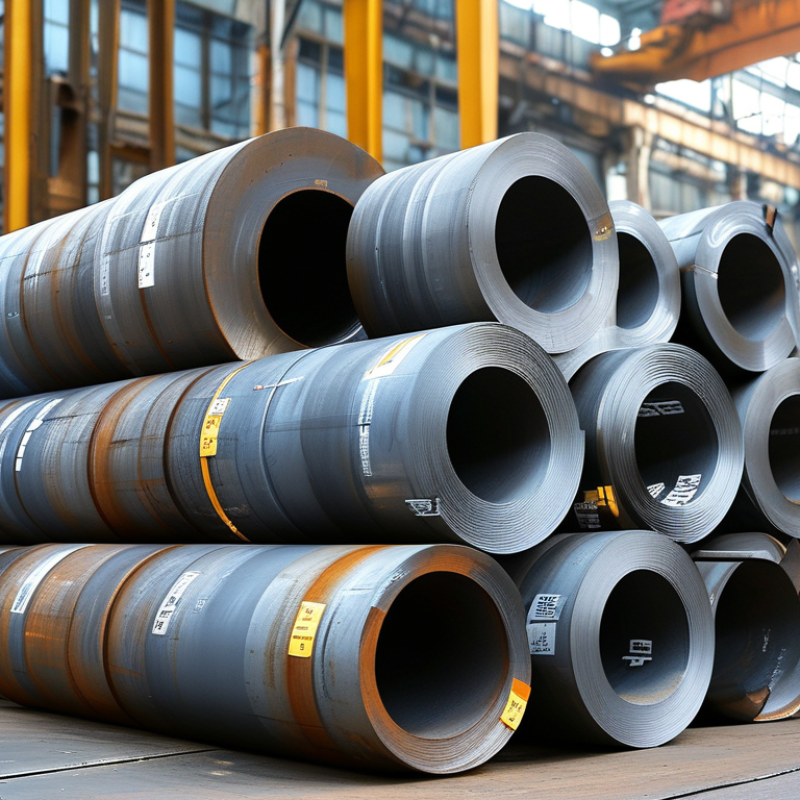
10 Essential Tips for Buying Steel in Bulk What to Consider?

Understanding Steel Grades: Choose the Right Material for Your Project

When purchasing steel for your project, understanding steel grades is crucial. Steel comes in various grades, each with unique properties. For example, structural steel grades such as ASTM A36 are widely used for buildings due to their good weldability and strength. According to a recent industry report, around 70% of fabricated steel in construction consists of these grades. This can impact cost, availability, and performance.

Different grades may suit different applications. High-strength low-alloy steels, like ASTM A992, provide enhanced strength without significantly increasing weight. They are essential for bridges and high-rise buildings. Conversely, carbon steels, like ASTM A572, work well for general-purpose applications, but they lack some corrosion resistance. It's vital to assess your project's specific needs before selecting a grade.

Additionally, factors like climate and exposure also affect the steel's long-term performance. Steel for marine environments often requires higher corrosion resistance. However, this can lead to increased costs. Balancing quality with budget constraints is an ongoing challenge in bulk steel procurement. An informed choice about steel grades can streamline your project and ensure safety and longevity. Understanding the nuances of steel grades is essential for successful material selection.

Steel Grades Comparison for Bulk Buying

Evaluating Supplier Credibility: Importance of Certifications and Reputation

When evaluating suppliers for bulk steel purchases, credibility is essential. Certifications such as ISO 9001 and ASTM standards indicate quality assurance. These credentials assure buyers that the supplier adheres to industry norms. A reputable supplier should provide clear documentation of these certifications.

Market insights show that 70% of buyers consider supplier reputation before making decisions. A positive reputation reduces risks. Research from industry reports indicates that partnering with reputable suppliers can lower defect rates by up to 30%. However, it's vital to assess not only certifications but also customer reviews. Trustworthy suppliers openly share feedback.

It's also important to remember that not all reputable suppliers are perfect. Some may have occasional quality issues. It's crucial to establish communication channels. Engaging directly with previous clients can reveal insights. Look for patterns in positive and negative experiences. This can provide clarity and help mitigate risks in your bulk steel procurement.

Calculating Total Cost of Ownership: Beyond Price to Include Shipping and Handling

When purchasing steel in bulk, calculating the total cost of ownership is crucial. Price isn’t the only factor. Consider shipping and handling fees as significant components. A lower unit price might seem appealing. However, hidden costs can crop up later, impacting your budget. Always ask suppliers for a detailed breakdown. This transparency helps you make informed decisions.

In addition to cost, think about delivery timelines. Delays can lead to project setbacks. Late deliveries may incur additional charges. Evaluate each supplier's reliability before committing. Investigate their shipping practices, including transportation methods and handling processes. Ensuring proper handling minimizes damage risk. This attention to detail protects your investment.

It’s essential to weigh these factors carefully. Sometimes, a deal that looks great upfront can end up costing more. A steel supplier's reputation speaks volumes. Reflect on previous customer experiences to gauge their reliability. Investing time in research pays off in the long run. Unforeseen costs can tarnish your bottom line. Always be diligent in your analysis.

10 Essential Tips for Buying Steel in Bulk: What to Consider? - Calculating Total Cost of Ownership: Beyond Price to Include Shipping and Handling

Tip No. Consideration Details Estimated Cost Impact (%)
1 Material Grade Choose the right material grade for your application. 10%
2 Volume Discounts Negotiate discounts based on buying in bulk. 5%
3 Supplier Reliability Evaluate the track record of potential suppliers. 15%
4 Shipping Costs Include shipping costs in your overall budget. 20%
5 Handling Charges Account for potential handling fees at delivery. 10%
6 Lead Times Consider the time frame for obtaining your materials. 5%
7 Storage Costs Factor in costs for warehousing the materials. 8%
8 Quality Assurance Ensure materials meet necessary quality standards. 12%
9 Payment Terms Negotiate favorable payment options to manage cash flow. 3%
10 Environmental Impact Consider the environmental practices of suppliers. 5%

Negotiating Bulk Discounts: Strategies for Cost Savings in Large Orders

Negotiating discounts when buying steel in bulk can lead to significant savings. Suppliers often have price flexibility based on order size. One effective strategy is to conduct thorough research on current market prices. This knowledge empowers you to approach negotiations with confidence. Knowing the average rates helps in formulating a fair offer.

Building a relationship with suppliers also proves beneficial. Regular communication fosters trust. It encourages suppliers to provide better pricing options over time. Personal visits can strengthen this relationship too. Establishing a rapport can result in more favorable terms. Consider discussing your long-term needs during negotiations. This can give suppliers an incentive to offer discounts in exchange for guaranteed future orders.

Moreover, don’t hesitate to ask for additional perks. Some suppliers may offer free delivery or extended payment terms. These additional benefits can enhance the overall value of your purchase. Always be open during negotiations. If a supplier cannot meet your price, ask about alternative products. Flexibility in specifications might lead to better deals. Keep in mind that negotiation is an art. It requires patience and practice.

Assessing Market Trends: Timing Your Purchase for Optimal Pricing Conditions

When planning to buy steel in bulk, timing is crucial. Market trends fluctuate due to various factors. Demand, supply levels, and global events can impact pricing. Keeping an eye on industry reports can offer insights into these trends. A downturn in construction can lead to a drop in steel prices. Conversely, during a boom, prices may soar.

Understanding how to assess these trends can save significant costs. Watching for seasonal patterns is essential. For instance, prices might dip during winter when construction slows. Researching historical pricing data can provide context for current market conditions. This analysis can lead to better purchasing decisions.

However, predictions are not always accurate. Market volatility could catch even the most seasoned buyers off guard. Missing a price drop or facing unexpected surges can happen. Remaining flexible and ready to adapt is important. You may need to reconsider your strategy consistently. Having a plan in place during uncertain times can make a difference.

FAQS

: Why is understanding steel grades important?

: Different steel grades have unique properties, affecting cost, availability, and performance. Choosing the right grade is vital.

What are the characteristics of structural steel grades?

Structural steel grades offer good weldability and strength, making them ideal for construction projects.

How do high-strength low-alloy steels differ from carbon steels?

High-strength low-alloy steels provide enhanced strength at a lighter weight, while carbon steels have less corrosion resistance.

What factors affect steel's long-term performance?

Climate and exposure conditions significantly influence how steel performs over time, especially in marine environments.

Why is supplier credibility important in steel procurement?

Reputable suppliers with certifications assure buyers of quality, reducing risks associated with defect rates.

How can customer reviews impact supplier selection?

Customer feedback offers insights, helping buyers assess a supplier's reliability and potential quality issues.

What role does timing play in purchasing steel?

Market trends affect pricing. Understanding these trends can lead to significant cost savings during purchases.

Are market predictions always reliable?

No, market volatility can lead to unexpected price changes. Staying adaptable is critical for buyers.

How can seasonal patterns in steel pricing help buyers?

Prices may drop in slower seasons, providing opportunities for more advantageous purchasing decisions.

What should buyers keep in mind when adopting a procurement strategy?

Flexibility is key. A solid plan can mitigate risks during unpredictable market conditions.

Conclusion

When buying steel in bulk, there are several critical factors to consider. First, understanding steel grades is essential, as different projects require specific materials to ensure durability and functionality. Evaluating supplier credibility is another vital aspect, where certifications and reputation play a key role in securing reliable partnerships. Additionally, calculating the total cost of ownership involves looking beyond just the price of the steel; it’s important to include shipping and handling costs in the overall budgeting.

Negotiating bulk discounts can also yield significant savings, so employing effective strategies during this process is advantageous. Finally, assessing market trends will help you time your purchase strategically to take advantage of optimal pricing conditions. Keeping these considerations in mind will help ensure success in purchasing steel in bulk, leading to a more efficient and cost-effective project outcome.

Isabella

Isabella

Isabella is a dedicated marketing professional with a sharp focus on driving brand growth and engagement through strategic content creation. With an extensive background in digital marketing, she combines her passion for storytelling with her keen understanding of industry trends to deliver......