Altimexor Metal
The quality of steel materials significantly influences global supply chains. Buyers must understand what factors affect steel material quality. Various elements come into play, including raw material sourcing, manufacturing processes, and quality control standards. According to the World Steel Association, approximately 1.5 billion tons of steel are produced annually, making quality a critical concern.
Expert Alex Johnson, a noted metallurgist, states, “The consistency in steel quality depends on both the source of iron ore and the refinement methods.” Buyers must recognize the importance of these factors. Variability in ore quality can lead to inconsistent steel properties. Furthermore, production practices, such as temperature control and cooling rates, greatly impact the final product's strength and durability.
Additionally, maintaining rigorous testing protocols is essential. Certificates of compliance and third-party audits help validate material quality. Buyers should request documentation to ensure compliance with international standards. In this complex global market, overlooking these factors could lead to significant economic losses and safety hazards. Understanding what factors affect steel material quality is not merely academic; it is a pressing necessity for industry stakeholders.
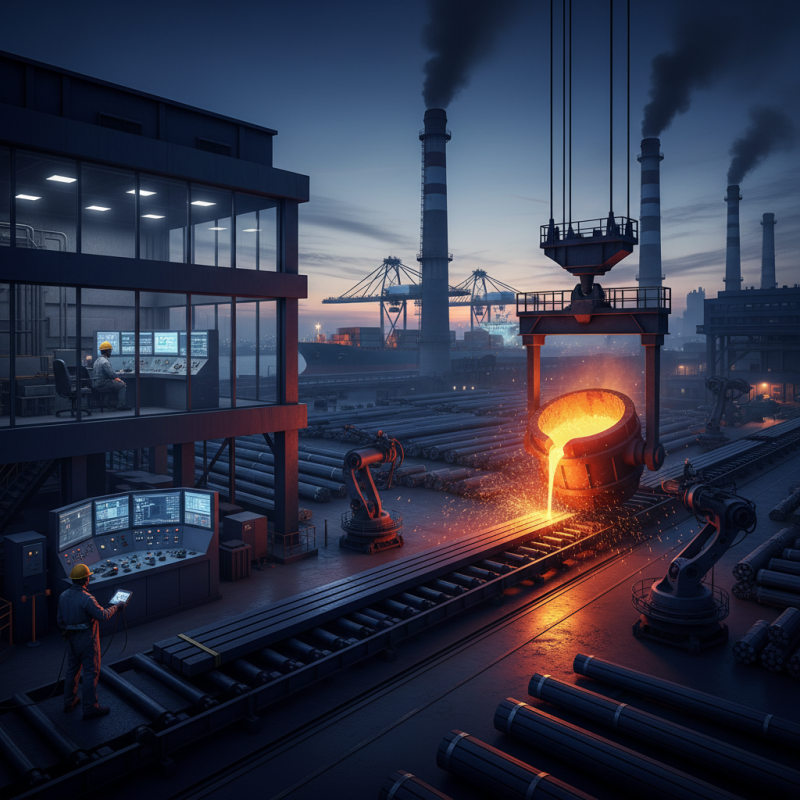
Steel material quality is influenced by various critical factors in global markets. One significant aspect is the sourcing of raw materials. Steel production relies heavily on iron ore, coal, and scrap. The quality of these inputs directly affects the final product. Local conditions, such as the mineral content of iron ore, can vary significantly. This variation can lead to inconsistencies in steel strength and durability.
Another important factor is the manufacturing process. Techniques like alloying, heat treatment, and welding play a crucial role in determining the steel's properties. Manufacturers must adhere to strict standards to produce high-quality steel. However, not all facilities operate under the same guidelines, leading to potential quality discrepancies. Regular audits and certifications can help ensure compliance, yet issues may still arise.
Environmental factors also impact steel quality. The steelmaking process generates emissions and requires significant energy. Companies that do not prioritize sustainable practices may compromise material integrity. Furthermore, the world market's volatility can affect the availability and pricing of quality materials. Buyers must navigate these challenges while seeking reliable steel sources, emphasizing the need for thorough research and quality assurance.
The quality of steel largely hinges on the raw materials used in its production. Iron ore, coal, and scrap steel form the backbone of steel manufacturing. Each component has unique properties affecting the final product. High-purity iron ore leads to stronger steel, while impurities can weaken the structure. Variations in ore quality can create inconsistencies, making it essential for producers to source reliable inputs.
Beyond the raw materials, the processing technique significantly impacts steel quality. Different smelting methods yield varying results. For instance, basic oxygen furnaces differ from electric arc furnaces in efficiency and output. However, not all manufacturers implement quality control effectively. Some overlook the importance of regular testing and monitoring, which can lead to subpar products. A focus on refining these processes can enhance overall material quality, yet many companies still struggle with adaptation.
Environmental factors also play a role. For example, the geographical location of raw material extraction can influence the quality due to varying local conditions. Natural elements like humidity and temperature affect the processing stages. Companies must be aware of these challenges. Addressing them requires a commitment to improvement and a willingness to innovate in sourcing and production methods.
| Quality Factor | Description | Impact on Quality | Measurement |
|---|---|---|---|
| Raw Material Type | The specific type of metal ores used in production. | Different ores affect tensile strength and ductility. | Material Specifications |
| Impurity Levels | Presence of unwanted elements in raw materials. | Higher impurities lead to lower quality and safety issues. | Chemical Analysis |
| Production Process | Methods used in the conversion of raw materials to steel. | Process variations can affect microstructure and mechanical properties. | Process Control Metrics |
| Heat Treatment | Thermal processes applied post-production to enhance properties. | Improved hardness and fatigue resistance post-treatment. | Hardness Testing |
| Quality Assurance Standards | Protocols followed to ensure material quality during production. | Adherence leads to reliable and consistent steel quality. | Certification Processes |
Manufacturing processes play a crucial role in determining the quality of steel. Each stage, from smelting to final treatment, impacts the end product. For instance, variations in temperatures during melting can lead to inconsistencies in chemical composition. These inconsistencies may cause weaknesses in the steel.
Heat treatment is another vital process affecting steel quality. Improper heating or cooling rates can alter the microstructure, leading to unexpected properties. If producers overlook these details, the final product might not meet the required specifications. This can frustrate global buyers who depend on reliable materials.
Furthermore, contamination during manufacturing can pose significant challenges. Elements like sulfur and phosphorus can degrade steel's performance. Manufacturers must maintain strict cleanliness standards. Small lapses can result in severe quality issues. Continuous monitoring and quality checks are essential. Ensuring consistency in these processes can often be a reflection of a company's commitment to excellence.
In the steel industry, quality control standards play a crucial role in ensuring material integrity and performance. According to a report by the World Steel Association, about 15% of production costs are attributed to quality assurance processes. This focus on quality not only affects production efficiency but also impacts the final product that global buyers receive. Buyers should prioritize suppliers that uphold rigorous standards and possess certifications like ISO 9001, which demonstrates adherence to international quality management principles.
Steel is often subjected to extensive testing. These tests include tensile strength assessments, hardness measurements, and metallographic analyses. A failure to meet established criteria can lead to significant losses, both financially and in terms of reputation. For instance, a study showed that 30% of manufacturing defects can be traced back to inadequate material quality.
Tips: Always request documentation on quality tests. This ensures transparency in the manufacturing process. Verify that steel meets specific standards relevant to your industry. Understand the implications of using subpar materials. Often, the initial savings from lower-quality steel lead to higher long-term costs. Investing in quality will ultimately safeguard your project's integrity.
Environmental regulations play a critical role in determining steel material quality. Stricter regulations promote cleaner production practices. This leads to the reduction of harmful emissions and waste. Steel producers must adopt advanced technologies to comply with these rules. However, the transition can be challenging and expensive.
Some manufacturers struggle to meet the new standards. This can lead to variations in steel quality. Inadequately enforced regulations may also permit subpar materials to enter the market. Global buyers face the risk of sourcing from suppliers who cut corners. Insufficient oversight can compromise both product integrity and safety.
Furthermore, varying regulations across countries create inconsistencies. Some regions impose stricter controls than others. This disparity can confuse buyers when assessing material quality. To navigate this landscape, buyers should prioritize transparency from suppliers. A commitment to quality and compliance demonstrates reliability. Ultimately, environmental regulations are crucial but can lead to complexities that require careful consideration.
: Key raw materials include iron ore, coal, and scrap steel. Each affects the final product's quality.
Impurities can weaken steel's structure. High-purity iron ore is crucial for strength.
Different smelting methods affect efficiency and output. Not all manufacturers prioritize quality control.
Geographical location and natural elements like humidity impact the extraction and processing stages.
Improper heating or cooling can alter steel's microstructure, leading to unexpected properties and weaknesses.
Contaminants like sulfur and phosphorus can harm performance. Cleanliness standards are essential.
Stricter regulations promote cleaner practices but can complicate compliance for manufacturers.
Inconsistent regulations can lead to sourcing subpar materials if manufacturers cut corners.
Continuous monitoring ensures consistency and reflects a company’s commitment to quality.
Transparency demonstrates reliability in quality and compliance amid varying regulations.
The article "What Factors Affect Steel Material Quality for Global Buyers?" explores various elements that contribute to the overall quality of steel in international markets. Key factors include the role of raw materials, as the quality and composition of these inputs directly impact the characteristics of the final product. Additionally, the manufacturing processes employed play a crucial role in ensuring consistency and reliability in steel quality.
Furthermore, the importance of stringent quality control standards within the steel industry cannot be overstated, as these guidelines help maintain high benchmarks for production. Lastly, the article examines how environmental regulations influence steel material quality, as adherence to such standards often leads to improved practices and better end products. Understanding these factors is essential for global buyers to make informed decisions regarding steel procurement.
