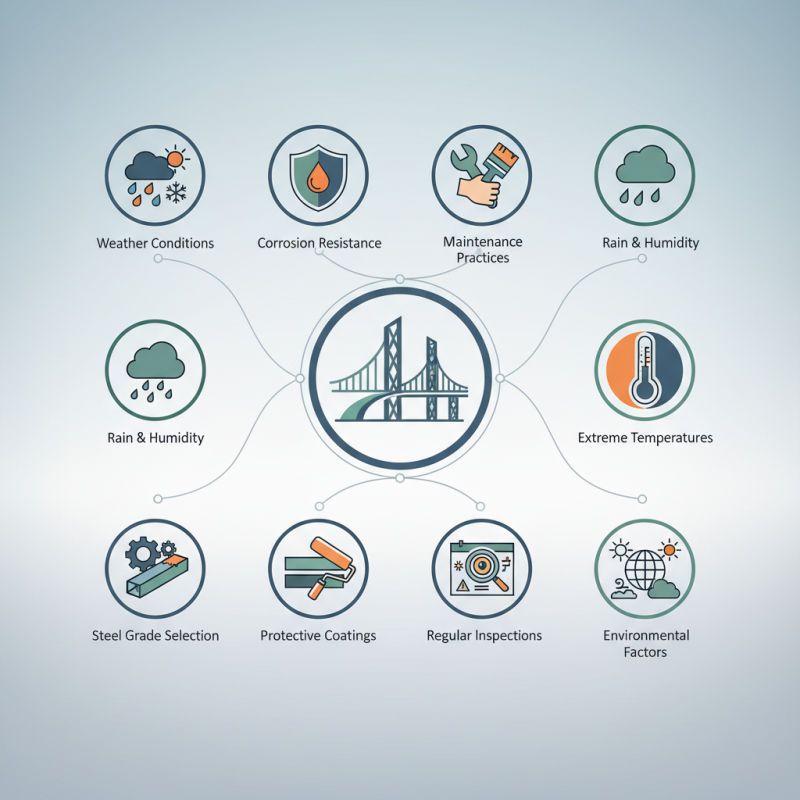
Steel structures are integral to modern outdoor applications. Understanding how long steel structures last in outdoor environments is crucial for engineers, architects, and builders. Various factors play significant roles in determining their lifespan, including weather conditions, corrosion resistance, and maintenance practices.
Exposure to elements like rain, humidity, and extreme temperatures can accelerate deterioration. Additionally, the quality of materials and coatings affects durability. It's essential to select the right steel grades suited for specific environments. Adequate maintenance and regular inspections help identify potential issues before they become serious.
There is often a gap between expectations and reality regarding performance. Certain areas may experience more wear than anticipated. Understanding these nuances can lead to better planning and preservation strategies. Ensuring longevity requires a multifaceted approach that incorporates experience and expertise in dealing with complex environmental factors.
Material Composition and Quality of Steel in Outdoor Applications
The material composition and quality of steel play crucial roles in the lifespan of outdoor structures.
High-quality steel, often alloyed with elements like chromium and nickel, can significantly enhance corrosion resistance.
Reports indicate that weather-resistant alloys can extend service life by up to 50%.
On the other hand, low-quality steel, prone to rust and degradation, can lead to structural failures in just a few years.
Testing for tensile strength and ductility is essential. Standards such as ASTM A992 specify minimum yield strength at 50 ksi,
important for buildings in harsh environments. Regular maintenance, including protective coatings, is also vital;
studies show that uncoated steel structures can lose 10-20% of their strength after just five years of exposure.
This raises questions about the initial choice of materials and long-term care.
While modern treatments and coatings provide improvement, they are not foolproof.
Variability in environmental conditions, such as humidity and pollution, means that even high-quality steel can suffer.
Observing and reflecting on these factors can help professionals make better material choices for outdoor applications.
Investing in better quality at the outset can save both time and resources later.
Environmental Factors Affecting Corrosion Resistance of Steel Structures
When discussing the lifespan of steel structures exposed to outdoor conditions, corrosion resistance is paramount. Environmental factors play a significant role in corrosion processes. Humidity, rainfall, and temperature fluctuations can accelerate deterioration. According to a recent industry report, atmospheric corrosion can reduce a steel structure's lifespan by up to 50% in high-humidity areas.
Corrosive substances, such as salt from coastal environments, further exacerbate this issue. Steel in these areas may develop rust within just a few years. Understanding local weather patterns is essential for assessing potential risks. Moreover, industrial pollutants can increase corrosion rates significantly, highlighting the need for effective protective measures.
Tips: Regular inspections can identify early signs of corrosion. Consider using protective coatings or galvanization to enhance resistance. If you're in a coastal region, be proactive in maintenance to avoid costly repairs down the line. A small investment in prevention can extend the life of these structures significantly.
Impact of Maintenance Practices on Longevity of Steel Structures
Maintenance practices significantly affect the longevity of outdoor steel structures. Regular inspections can catch early signs of rust and damage. Addressing these issues promptly is crucial for extending the lifespan. Over time, neglect can lead to costly repairs or even structural failure.
Scheduled maintenance routines should include cleaning and painting to protect against corrosion. Applying high-quality coatings helps shield the steel from moisture. However, not all maintenance practices are equally effective. Some may overlook critical areas, leading to hidden deterioration. This gap in maintenance knowledge can be worrisome.
Additionally, environmental factors play a role in maintenance decisions. Structures in coastal regions face more aggressive conditions. Regular upkeep might be more frequent in these areas. However, budget constraints can limit maintenance efforts. This presents a dilemma: balancing cost and structural integrity. Understanding these factors is essential for improving outdoor steel structure lifespan.
Load and Stress Factors Influencing Structural Integrity Over Time
Load and stress factors are crucial in determining the lifespan of steel structures outdoors. Various loads, such as wind, snow, and seismic activity, can create significant stress on these structures. For instance, buildings in coastal areas may face higher wind loads that can lead to fatigue. Every time a storm hits, tiny cracks may begin to develop. Over time, these can compromise the structure's integrity.
Temperature fluctuations also play a role. Steel expands in heat and contracts in cold. This constant movement induces stress. It may seem minor, but even small expansions can affect the connections between different components. The cyclic nature of this movement can lead to wear and tear, requiring regular inspections to ensure safety.
Environmental factors such as moisture and chemical exposure can accelerate deterioration. Rust is a common issue, undermining the steel's strength. Outdoor structures often face unpredictable weather conditions, and their exposure increases risks. Thus, understanding how load and stress affect steel structures is essential. Regular evaluations can prevent catastrophic failures by addressing signs of stress early on. Observing changes and being proactive is key to longevity.
Design Considerations to Enhance Durability of Steel Frameworks Outdoors
When designing steel structures for outdoor use, several key considerations enhance their durability. Corrosion resistance is paramount. Steel is susceptible to rust in humid or coastal environments. Applying protective coatings can significantly delay deterioration. Regular maintenance checks are essential to address any signs of wear early.
Another critical aspect is proper drainage. Water accumulation can weaken the structural integrity. Design elements like sloped roofs or strategically placed drainage systems help manage water flow. Additionally, selecting appropriate alloys can improve resistance to environmental factors. Understanding the surrounding climate is crucial for choosing the right materials.
Steel frameworks should allow for thermal expansion and contraction. Incorporating flexible joints can mitigate stress from temperature changes. Despite efforts, some unforeseen challenges may arise. Adverse weather events can still impact structures. Continuous monitoring and timely repairs are necessary to ensure longevity. Such proactive approaches reduce the risk of unexpected failures. It's vital to recognize that no design is foolproof. Regular assessments help adapt to changing conditions.
Top 10 Factors Influencing Steel Structures Lifespan Outdoors
| Factor |
Description |
Impact on Lifespan (Years) |
| Corrosion Resistance |
Ability of steel to withstand rust and oxidation. |
25 |
| Weather Conditions |
Influence of climate elements like rain, snow, and temperature fluctuations. |
15 |
| Protective Coating |
Use of paints and sealants to protect from environmental damage. |
20 |
| Load Factors |
The stress and weight the structure must support over its lifespan. |
10 |
| Quality of Materials |
The grade and quality specifics of steel used in construction. |
30 |
| Design and Engineering |
How well the structure is designed to withstand external forces. |
15 |
| Maintenance Practices |
Regular inspections and upkeep to prolong structural integrity. |
20 |
| Soil Conditions |
Foundation stability affected by soil type and drainage. |
15 |
| Environmental Pollution |
Impact of industrial and vehicular emissions on steel surfaces. |
10 |
| Thermal Expansion |
Effect of temperature changes on the steel structure. |
12 |
Conclusion
The lifespan of steel structures in outdoor environments is influenced by several critical factors. Firstly, the composition and quality of the steel play a significant role in determining how long steel structures last in outdoor environments, as higher quality materials are more resistant to wear and corrosion. Additionally, environmental factors, such as humidity, temperature fluctuations, and exposure to corrosive agents, can greatly impact the steel's longevity.
Maintenance practices are essential for prolonging the life of steel structures. Regular inspections and timely repairs can mitigate stress and damage caused by load factors over time. Furthermore, thoughtful design considerations, like incorporating protective coatings and appropriate drainage systems, enhance the durability of steel frameworks. By understanding these elements, stakeholders can effectively improve the lifespan of steel constructions in outdoor settings.
 Altimexor Metal

%20Metal%20Products%20Co.%2C%20Ltd._Steel%20Pipe%2CSteel%20Plate&images=https%253A%252F%252Fomo-oss-image.thefastimg.com%252Fportal-saas%252Fpg2025102019471928898%252Fcms%252Fimage%252F048d5311-fbf7-4e5e-8816-c4626d2ac3bf.png_1920xaf.png&summary=)