 Altimexor Metal
Altimexor Metal
Altimexor Metal
In today's interconnected economy, understanding how global demand affects the steel industry is crucial. According to Dr. Emily Richardson, a leading expert in metallurgy, “The fluctuations in global demand are the heartbeat of the steel industry.” This statement highlights the deep relationship between market needs and steel production.
Steel, a fundamental material for construction and manufacturing, is heavily influenced by various factors. Economic growth in regions such as Asia drives up demand, pushing companies to optimize their processes. Conversely, economic downturns can lead to overproduction and price drops. These shifts require companies to adapt quickly, balancing supply with an unpredictable demand landscape.
As the world evolves, so too does the steel industry. Companies must navigate challenges such as sustainability and technological advancements. This complex dance is not without its flaws. Some firms may struggle to respond effectively to market changes, risking their competitiveness. Understanding how global demand affects the steel industry is not just a theoretical exercise; it is a pressing reality that shapes the future of the sector.
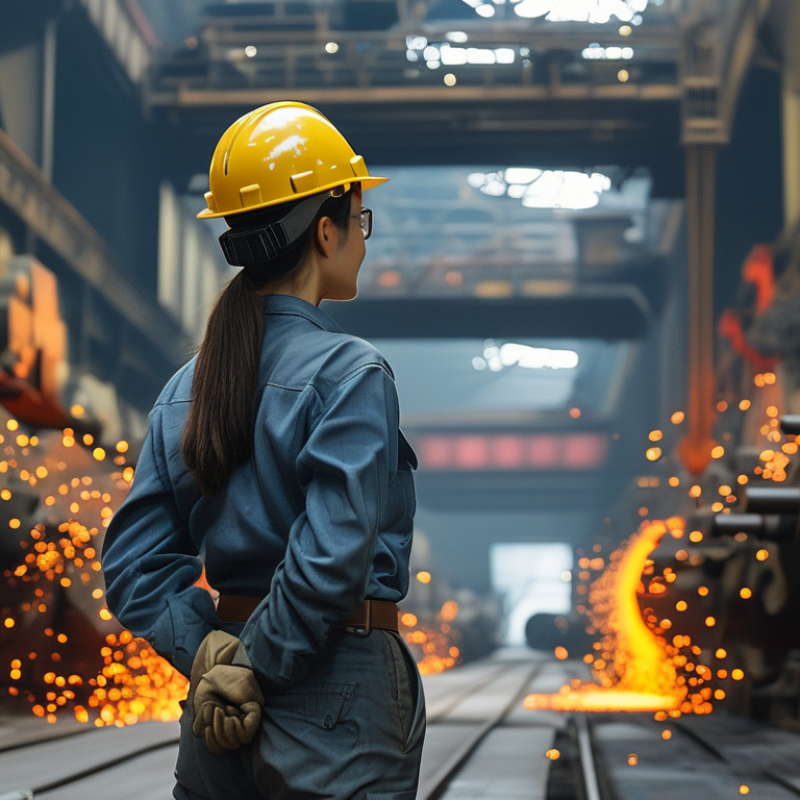
In 2023, global steel demand is experiencing significant shifts. According to the World Steel Association, global steel production reached approximately 1.9 billion metric tons last year. This figure is a testament to the industry's resilience despite challenges. Key drivers are emerging across various sectors, reflecting the evolving needs of infrastructure and manufacturing.
Construction remains a primary driver of steel demand. In countries like India and China, urbanization fuels a thirst for steel. The Asian Development Bank estimates that India will require around 1.5 billion tons of steel by 2030 to meet its infrastructure goals. However, environmental concerns are pressing. The industry grapples with carbon emissions; achieving sustainability targets presents both a challenge and an opportunity for innovation.
Automotive and renewable energy sectors are also critical. Electric vehicles rely heavily on advanced steel products. Yet, the fluctuating raw material prices introduce volatility. Data from the International Monetary Fund highlights that steel prices surged by 60% in 2021 and have remained unstable. While demand grows, these factors require careful navigation for industry players, ensuring they adapt to market changes effectively.
: Economic growth increases demand for infrastructure and manufacturing, driving up steel consumption globally.
Asia, especially China and India, has the highest steel demand due to urbanization and industrial growth.
Yes, mature economies may stabilize or reduce consumption as they adopt more sustainable practices.
Sustainability trends are reshaping demand, with a focus on green construction and renewable energy pushing for innovation.
Steel production accounts for nearly 8% of global carbon emissions, prompting calls for cleaner practices.
The high upfront costs and technological complexities pose challenges to adopting sustainable methods in steel production.
Yes, demand for recycled steel is rising, with production expected to double by 2030 due to efficiency needs.
Access to quality scrap steel and fluctuating market prices create uncertainties in the recycled steel industry.
Investing in research and development and collaborating with others can lead to innovative solutions for emission reduction.
No, some countries see steel use increases without proportional economic advantages, posing questions about growth quality.
The article "How Global Demand Shapes the Steel Industry Today?" delves into the multifaceted factors influencing steel demand in 2023. It begins with an overview of global steel demand, identifying key drivers such as economic growth, infrastructure projects, and construction activities that significantly elevate steel usage worldwide. Regional variations in demand highlight how different markets respond to these drivers, with emerging economies demonstrating a more robust appetite for steel compared to developed regions.
Furthermore, the impact of economic growth on steel consumption patterns is explored, illustrating how rising industrial activities correlate with increased steel requirements. Technological advancements are also reshaping production methods, enhancing efficiency and sustainability in the industry. Finally, sustainability trends are pivotal in shaping future demand in the steel sector, prompting shifts toward greener practices. Ultimately, the article emphasizes how global demand affects the steel industry by dictating production strategies and influencing market dynamics, setting the stage for a more sustainable future in steel manufacturing.

%20Metal%20Products%20Co.%2C%20Ltd._Steel%20Pipe%2CSteel%20Plate&images=https%253A%252F%252Fomo-oss-image.thefastimg.com%252Fportal-saas%252Fpg2025102019471928898%252Fcms%252Fimage%252F048d5311-fbf7-4e5e-8816-c4626d2ac3bf.png_1920xaf.png&summary=)