China’s steel industry produced about 1,019 million tonnes of crude steel in 2023, according to the World Steel Association’s World Steel in Figures 2024. This scale makes Chinese steel thickness selection highly relevant to global construction, machinery, energy, and infrastructure projects. Yet thickness is not simply a bigger-is-better decision. It changes weight, stiffness, fabrication effort, welding heat input, and transportation cost. Small differences matter.
How does steel thickness affect project performance? A thicker plate can reduce local buckling and improve resistance to impact, vibration, and concentrated loads. It may also provide more corrosion allowance in harsh environments. However, added thickness increases dead load. It can demand larger lifting equipment, longer weld cycles, and stricter preheating controls. The American Institute of Steel Construction links member performance to section properties, material strength, connection design, and fabrication quality—not thickness alone.
China’s GB/T 1591 structural steel standard and GB/T 228.1 tensile-testing standard provide useful reference points for grade verification and mechanical testing. The exact results still depend on mill practice, heat treatment, rolling direction, dimensional tolerances, and inspection records. Thickness tolerance can affect fit-up at a flange or create uneven gaps during welding. That is where theory meets the workshop floor.
The assumption is easy: thicker steel means safer steel. That assumption needs testing. A poorly specified thick plate may perform worse than a thinner, properly engineered alternative. This article examines China’s common steel thickness ranges, measurable performance effects, and the evidence buyers should request before approving a project specification.
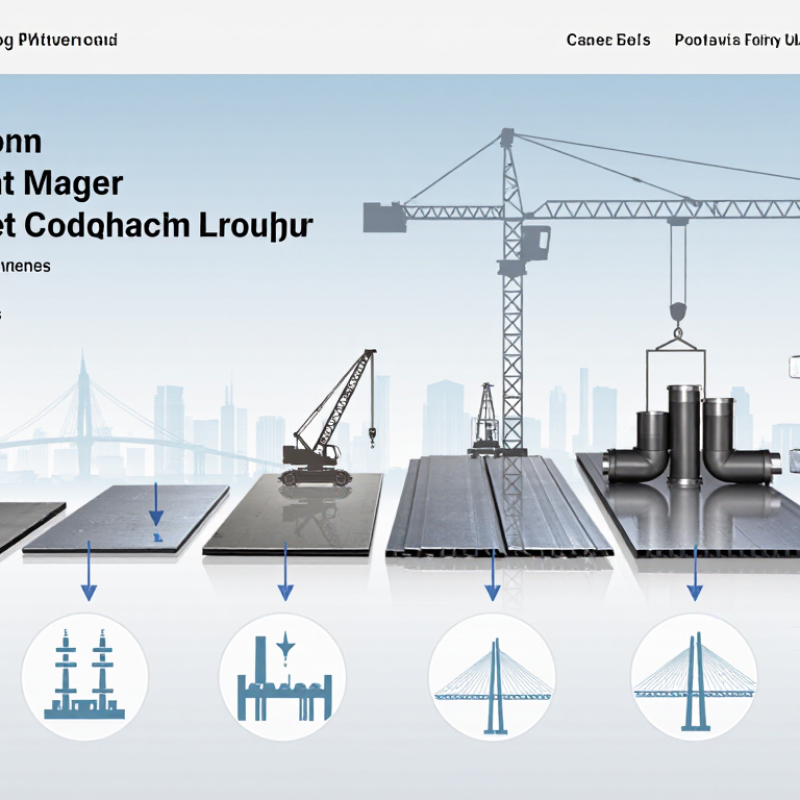
What Does Steel Thickness Mean in China’s Steel Industry?
In China’s steel industry, thickness usually means nominal thickness, not the exact value at every point. A 10 mm plate may measure slightly above or below that figure, depending on rolling tolerances and inspection location. GB/T 709 specifies dimensional, shape, and weight tolerances for hot-rolled steel plates. Therefore, buyers should check the standard, tolerance class, and delivery condition together. Thickness alone is not enough.
The number also affects weight and transport. A 10 mm steel plate weighs about 78.5 kilograms per square metre before allowances. More thickness can improve resistance to bending, local buckling, and impact. It also increases welding heat, handling difficulty, and project cost. Corrosion allowance matters too. A thin coastal structure may lose useful service life faster than a thicker indoor component. Small details matter.
The scale is substantial. World Steel Association data reported China’s crude steel output at about 1,019.1 million tonnes in 2023, close to 54% of global production. That volume covers construction, machinery, energy, and transport applications with different thickness requirements. In practice, I would measure several points across one plate, including the edges. Drawings can look precise. They can still hide unsuitable tolerances. Thickness should be judged against load, fabrication, environment, and inspection records, not marketing language.
How Is Steel Thickness Measured and Classified?
Steel thickness is usually measured in millimeters, using a calibrated micrometer or thickness gauge. The reading should be taken at several points, not just near the edge. Edges may be thinner after cutting or rolling. Measure more than once.
Manufacturers classify steel as sheet, strip, or plate according to thickness, width, and the governing standard. However, these categories are not identical worldwide. Some specifications define thin sheet below a certain limit, while others use different ranges for plate. Gauge numbers can also cause confusion because gauge systems vary by material and region. A lower gauge number often means thicker steel, but this is not universal. Always check the stated millimeter value.
Nominal thickness is the target size. Actual thickness can differ within an approved tolerance because rolling conditions are never perfectly uniform. For example, a plate marked 10 mm may measure slightly above or below 10 mm at different locations. This difference affects weight, bending resistance, welding preparation, and corrosion allowance. In practical inspections, I record the measuring tool, test points, surface condition, and temperature. Rust, paint, or scale can distort results. That difference matters. A single measurement may look convincing, yet still be incomplete. Reliable purchasing decisions depend on the product standard, tolerance range, and inspection records, rather than thickness alone.
How Does Thickness Affect Steel Strength and Load Capacity?
When engineers assess steel thickness, they do not treat it as a simple strength number. Thickness increases cross-sectional area, helping plates resist direct tension and compression. It also improves bending performance because more material sits farther from the neutral axis. That distance matters. A thicker beam can carry greater loads with less deflection, provided grade, span, and connections are suitable. Steel grade still matters; a thick low-strength plate may underperform a thinner high-strength plate.
For columns and thin panels, stability can matter more than yield strength. Thin steel may buckle locally before its material strength is fully used. Increasing thickness usually reduces this risk and raises the allowable load. However, weight rises quickly, and oversized sections can complicate lifting, welding, and fit-up. In field work, I have seen a strong plate fail around a weak bolt line or poorly supported edge. The connection must carry the load too.
Load calculations should consider span, support conditions, corrosion allowance, holes, residual stress, and repeated loading. For a floor plate, engineers may check bending, shear, vibration, and local wheel loads separately. Purchasing documents should state nominal thickness, permitted tolerance, steel grade, and test certificates. A thickness reading alone cannot prove capacity. Measurements can vary after rolling, coating, or corrosion, so calibrated tools and documented inspections are important. I would avoid choosing “thicker is always safer”; that shortcut can hide poor detailing and unnecessary weight.
How Does Thickness Influence Weight, Cost, and Fabrication?
Steel thickness directly changes weight, cost, and fabrication effort. A 10-millimeter plate weighs twice as much as a 5-millimeter plate of equal size. That difference affects transport, lifting equipment, and installation time. Thicker steel also uses more raw material, so its purchase price usually rises.
The relationship is not always simple. A thicker section may reduce bending, vibration, and maintenance risks in heavy structures. However, extra thickness can create unnecessary weight in panels, tanks, or machine frames. In practical fabrication, I check the design load before choosing a thickness. A small steel enclosure may need only 2 or 3 millimeters, while a loaded support beam requires a detailed engineering calculation.
Fabrication becomes slower as thickness increases. Cutting takes longer, and high heat input can cause distortion or residual stress. Welding thick plates may require edge preparation, preheating, and several passes. These steps increase labor costs. They also demand qualified procedures and careful inspection. In one workshop review, a plate that seemed economical became expensive after machining and rework. That assumption was wrong. Buyers should confirm thickness tolerance, flatness, material certificates, and cutting allowances before production. A few extra millimeters can simplify fabrication, but they can also hide avoidable costs.
How Should Steel Thickness Be Selected for Different Applications?
Choosing steel thickness should begin with actual service conditions, not a catalog preference. In my fabrication experience, load, span, impact, temperature, and corrosion exposure change the answer quickly. A thin sheet may suit an indoor enclosure, while a bridge component needs greater stiffness and fatigue resistance. Calculate bending, buckling, deflection, and connection strength using qualified engineering methods. Measure twice.
Tips: Match thickness to the weakest load path, including bolts, welds, brackets, and supports. Check the applicable structural code and mill tolerances before ordering. Add corrosion allowance where moisture, salt, or chemicals are expected. For welded parts, consider heat distortion and access for inspection. A thicker plate is not automatically safer. It can increase weight, cost, and residual stress.
For tanks or pressure-related equipment, thickness selection must follow the relevant design standard and verified pressure calculations. Machinery guards often need impact resistance, while lightweight covers may prioritize easy handling. Outdoor frames may require both thickness and protective finishing. Ask the fabricator about cutting limits and available forming radii. Small design changes can prevent expensive rework. I sometimes see teams choose a familiar thickness without checking real loads. That habit is convenient, but it deserves reconsideration. Local conditions remain decisive.
Conclusion
Steel thickness is a critical factor in China’s steel industry because it directly affects a material’s strength, durability, weight, cost, and suitability for fabrication. It is typically measured in millimeters and classified according to product type, production standards, and intended use. Thicker steel generally provides greater load capacity, improved resistance to bending and impact, and better long-term stability. However, increased thickness also adds weight, raises material and transportation costs, and may require more powerful cutting, forming, and welding equipment. How does steel thickness affect project performance? It determines whether a structure can safely withstand expected loads while meeting practical budget and construction requirements.
Selecting the correct thickness requires evaluating the application, load conditions, environmental exposure, connection methods, and fabrication process. Thin steel may be appropriate for lightweight panels, interior components, or applications where easy forming is important. Medium or heavy thicknesses are often preferred for structural frames, industrial equipment, storage systems, and areas exposed to significant pressure or impact. A balanced selection helps achieve reliable performance without unnecessary material use, excessive weight, or avoidable production difficulties.
 Altimexor Metal

