 Altimexor Metal
Altimexor Metal
Altimexor Metal
In the rapidly evolving industrial landscape of 2026, understanding why steel needs corrosion protection is crucial. Steel's strength and versatility make it a staple in construction and manufacturing. However, exposure to environmental conditions leads to deterioration over time. This natural occurrence can compromise structural integrity and increase maintenance costs.
Corrosion affects not only the lifespan of steel, but also safety and performance. Regular exposure to moisture, salt, and pollutants accelerates rust formation. As a result, industries face the challenge of maintaining steel structures. Many underestimate the severity of corrosion, often leading to premature failures.
Investing in corrosion protection strategies can mitigate these risks. Innovative coatings and treatments are available, yet not all options are equally effective. A deeper exploration into the inadequacies of current practices is necessary. Addressing these gaps will help industries better understand why steel needs corrosion protection, ultimately leading to more sustainable practices.
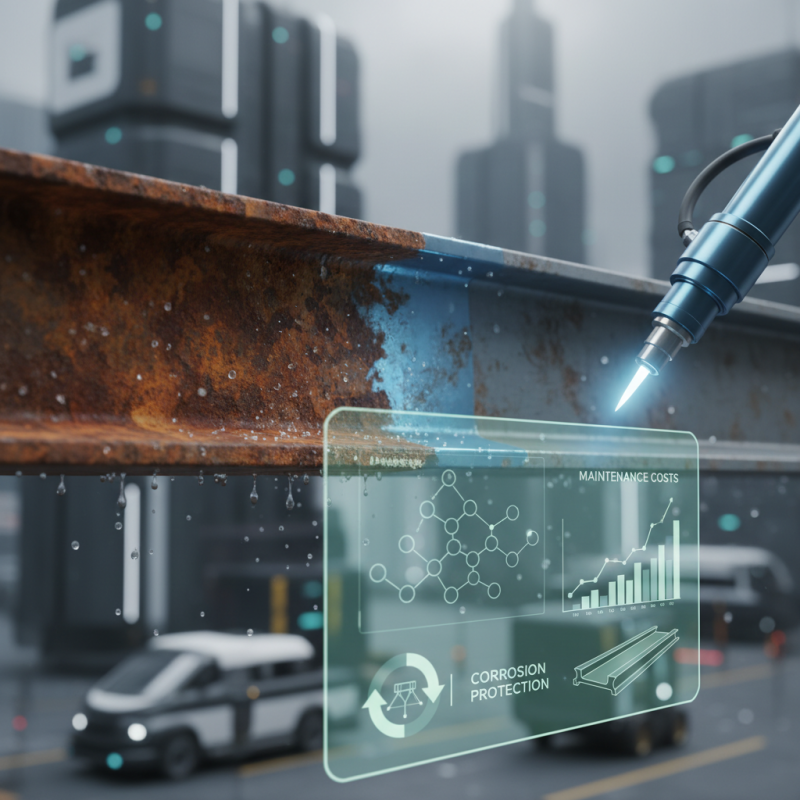
In modern infrastructure, the protection of steel from corrosion is critical. The construction industry relies heavily on steel for its strength and durability. However, corrosion poses a significant threat to the longevity of steel structures. Studies indicate that corrosion costs the global economy roughly $2.5 trillion annually, reflecting the urgent need for protection measures.
Corrosion can diminish the structural integrity of steel, leading to safety risks. Infrastructure failures due to corrosion-related issues have increased in recent years. Experts suggest that up to 40% of steel structures experience corrosion within their lifespan. This highlights the need for effective preventive strategies in design and maintenance. Implementing coatings and treatments can significantly enhance resistance to environmental factors, extending service life.
Recent reports by the National Association of Corrosion Engineers emphasize that investments in corrosion protection yield significant returns. For every dollar spent on corrosion management, there can be a benefit of $4 to $5. This demonstrates the economic viability of investing in robust corrosion protection systems. With ongoing advancements in materials science, innovative solutions are emerging to tackle corrosion challenges effectively.
| Dimension | Description | Importance | Statistical Data |
|---|---|---|---|
| Material Composition | Carbon Steel vs. Stainless Steel | Reduced Corrosion Rates | 15% lower corrosion in stainless |
| Protective Coatings | Types of coatings used | Prevention of corrosion | 70% effectiveness in harsh environments |
| Environmental Factors | Humidity, Salinity, Temperature | Influence on corrosion rates | Corrosion rate increases by 20% per 10% humidity |
| Life Span | Expected lifespan of protected steel | Cost savings on replacements | Up to 50% longer lifespan |
| Maintenance Frequency | Frequency of required maintenance | Lower maintenance costs | 30% less frequent maintenance |
: Corrosion protection is vital because it ensures the structural integrity and longevity of steel in construction.
Corrosion costs the global economy about $2.5 trillion annually, stressing the need for protective measures.
Studies show that up to 40% of steel structures may experience corrosion as they age.
Implementing coatings enhances resistance against environmental factors, significantly extending the service life of steel structures.
Not all innovations work under every condition; careful evaluation is crucial to identify effective solutions.
Smart materials can self-heal and respond to environmental changes, reducing maintenance costs and enhancing safety.
The industry must balance effective corrosion resistance with sustainability, as eco-friendly solutions are increasingly demanded.
Regular inspections allow for the early detection of corrosion, enabling timely repairs and reducing long-term costs.
Some advanced coatings may deteriorate quickly in extreme conditions, highlighting the need for ongoing research and testing.
The future may see a rise in innovative coatings that provide better barriers against moisture and chemicals.
In 2026, understanding **why steel needs corrosion protection** has become crucial to maintaining the integrity of modern infrastructure. Corrosion not only compromises the structural strength of steel but also leads to significant economic costs and safety risks. The mechanisms of steel corrosion are complex and can result from environmental factors, leading to material degradation over time. Innovations in corrosion protection technologies are essential to mitigating these risks and enhancing the longevity of steel structures.
As regulatory standards evolve, proactive corrosion management practices are increasingly important for compliance and durability. Future trends are likely to emphasize advanced coatings, corrosion inhibitors, and smart monitoring systems to address the persistent challenges of corrosion in steel. By investing in effective protection strategies, stakeholders can ensure the reliability and efficiency of steel in a variety of applications, safeguarding infrastructure investments for generations to come.

%20Metal%20Products%20Co.%2C%20Ltd._Steel%20Pipe%2CSteel%20Plate&images=https%253A%252F%252Fomo-oss-image.thefastimg.com%252Fportal-saas%252Fpg2025102019471928898%252Fcms%252Fimage%252F048d5311-fbf7-4e5e-8816-c4626d2ac3bf.png_1920xaf.png&summary=)