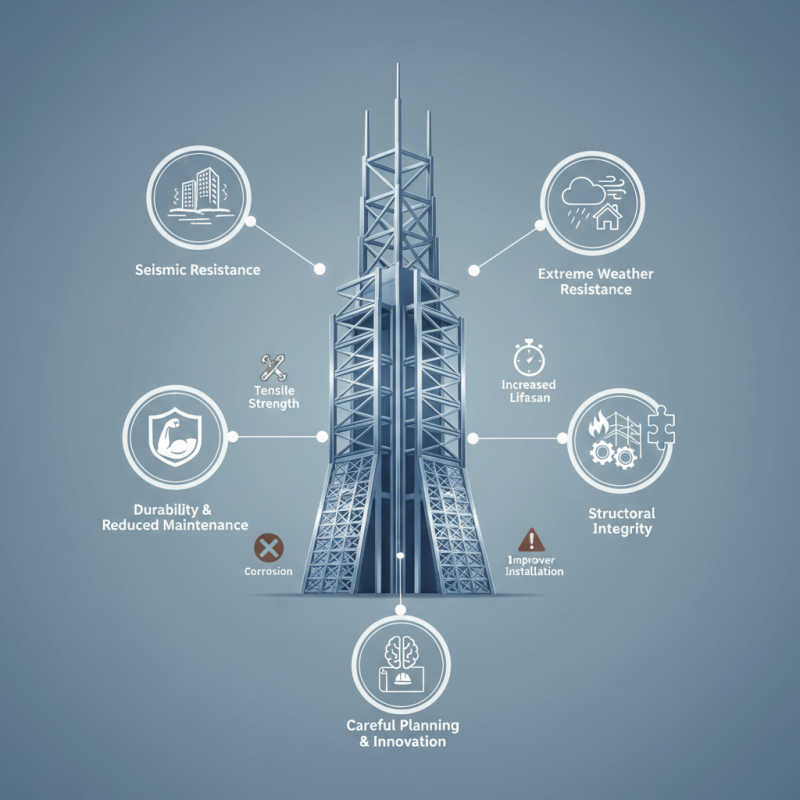
Steel has long been recognized as a crucial material in construction. Its unique properties contribute significantly to building strength and safety. According to the American Institute of Steel Construction (AISC), steel buildings typically exhibit greater resistance to seismic events and extreme weather, enhancing overall safety. The durability of steel reduces maintenance costs and increases lifespan, making it a reliable choice for builders.
When considering how steel improves building strength and safety, one must acknowledge its high tensile strength. Reports from the World Steel Association indicate that steel can withstand heavy loads and remain resilient under stress. However, the reliance on steel is not without challenges. Issues like corrosion or improper installation can undermine its benefits. It calls for awareness and diligence from architects and engineers.
Incorporating steel in construction enhances safety features like fire resistance and structural integrity. The National Fire Protection Association (NFPA) highlights that steel structures can withstand high temperatures longer than many other materials. Yet, each project requires careful planning. The balance between cost and safety must always be evaluated. Understanding how steel improves building strength and safety will guide future innovations in construction.
The Structural Integrity of Steel in Modern Construction
Steel plays a vital role in modern construction, enhancing the structural integrity of buildings. According to the American Institute of Steel Construction, steel structures have a high strength-to-weight ratio. This means they can bear heavy loads while remaining lightweight. In high-rise buildings, using steel can allow for taller structures without the risk of collapsing under their own weight.
Moreover, steel's resistance to environmental factors contributes to its durability. Data from the World Steel Association indicates that steel can withstand extreme weather, earthquakes, and fire. These properties make steel an essential material for safe construction. However, the welding processes used in steel fabrication can sometimes lead to weaknesses, highlighting the need for regular inspections and quality control.
Steel also allows for design flexibility. Architects can create innovative and striking shapes, which not only enhance aesthetics but also optimize functionality. Despite these benefits, challenges exist, like the carbon footprint of steel production. It’s crucial to explore greener production methods to mitigate environmental impact. Balancing strength, safety, and sustainability remains a complex yet essential task in modern construction.
Steel's Resistance to Natural Disasters and Extreme Weather
Steel is a vital material in modern construction, especially when facing natural disasters and extreme weather. Its high strength-to-weight ratio provides buildings with a sturdy framework that can withstand formidable forces. According to the American Institute of Steel Construction, steel structures can endure wind speeds of over 150 mph, a critical feature in hurricane-prone areas. This capability allows buildings to resist roof collapses and structural failures that might occur during severe storms.
Moreover, steel’s resistance to seismic activity is noteworthy. Data from the U.S. Geological Survey indicates that regions prone to earthquakes can benefit significantly from steel's ductility. Unlike more brittle materials, steel can flex without breaking, which minimizes damage during tremors. Additionally, the National Institute of Standards and Technology highlights that steel’s non-combustible nature enhances fire safety, reducing risks during wildfires and other fire hazards.
While steel offers numerous advantages, there are some challenges to consider. Corrosion can weaken steel structures over time if not properly maintained. In coastal regions, exposure to saltwater may accelerate this process, necessitating regular inspections and protective coatings. Builders and architects must take these factors into account to ensure the longevity of steel structures. Despite these concerns, the benefits of steel in enhancing building strength and safety against natural disasters cannot be overlooked.
Enhancing Load-Bearing Capacity with Steel Frameworks
Steel frameworks have transformed the architecture industry. Their incredible load-bearing capacity allows for taller and safer structures. Unlike traditional materials, steel provides greater flexibility and strength. High-rise buildings with steel frameworks can withstand harsh weather conditions. Engineers appreciate how steel distributes weight evenly, reducing the risk of structural failure.
Safety is paramount in building design. Steel’s resilience against seismic activities enhances overall safety. Buildings can sway without collapsing during earthquakes. This adaptability is vital in urban areas prone to such events. Moreover, steel frameworks are fire-resistant, offering additional protection. Fire safety codes have evolved, and steel meets these standards effectively.
However, the use of steel is not without challenges. Corrosion can be a concern if not properly addressed. Maintenance is essential to ensure longevity. Additionally, the initial cost of steel structures may be higher compared to wood or concrete. Architects and engineers must weigh upfront expenses against long-term benefits. Finding the right balance is crucial for sustainable building practices.
The Role of Steel in Fire Safety and Prevention Measures
Steel plays a vital role in building fire safety and prevention. Its inherent properties make it an ideal choice for structures that need strength and resilience. Steel can withstand high temperatures, which prevents it from warping or bending easily. This means that steel structures maintain their integrity for longer during a fire.
Additionally, the use of steel in fire-resistant designs enhances overall safety. Buildings with steel frameworks can incorporate fireproof materials, which further reduces risks. Steel's ability to support these materials effectively allows architects to create designs that maximize safety without compromising aesthetics.
However, the effectiveness of these measures largely depends on proper engineering and installation.
Despite its advantages, steel isn’t entirely fireproof. It can lose strength when exposed to extreme heat. This fact highlights the importance of regular inspections and appropriate fireproofing techniques. Moreover, reliance on steel should be balanced with other safety measures, such as smoke alarms and sprinkler systems. A comprehensive fire safety strategy is crucial for effective risk mitigation.
Sustainability and Longevity Benefits of Steel in Buildings
Steel is a critical component in modern architecture, offering exceptional sustainability and longevity benefits. According to the World Steel Association, steel can be recycled endlessly without losing its quality. This property significantly reduces the need for raw materials, which is a critical step towards a more sustainable construction industry. By utilizing recycled steel, buildings can drastically decrease their carbon footprint. In fact, buildings constructed with recycled steel show a reduction in greenhouse gas emissions by up to 60%.
In addition to environmental benefits, steel structures often exhibit extended lifespans. Research by the National Institute of Standards and Technology indicates that steel buildings can last more than 100 years with proper maintenance. This longevity contributes to lower overall life-cycle costs, which many developers find appealing. However, the initial investment in steel can be higher than other materials. Owners must weigh upfront costs against potential long-term savings.
While steel is known for its strength, it is not without challenges. Issues like rust and corrosion can diminish its durability. Regular inspections and maintenance are essential to ensure structural integrity. By addressing these concerns, we can enhance the advantages of using steel in construction while promoting sustainability. Buildings that integrate strong steel frameworks are better equipped to withstand natural disasters, emphasizing safety alongside environmental responsibility.
FAQS
: Steel enhances the structural integrity of buildings, providing a strong framework. It has a high strength-to-weight ratio.
Steel can withstand extreme winds exceeding 150 mph. This is crucial for buildings in hurricane-prone areas.
Steel's ductility allows it to flex without breaking, minimizing damage during seismic activity. This is beneficial for earthquake-prone regions.
Steel is non-combustible, reducing fire risks in buildings. This property is vital during wildfires or other fire hazards.
Yes, corrosion can weaken structures over time. Coastal areas face additional risks from saltwater exposure.
Maintenance is essential to prevent corrosion and ensure longevity. Regular inspections can help identify and address weaknesses.
Absolutely! Steel allows for innovative and striking designs that enhance both aesthetics and functionality.
Steel production has a significant carbon footprint. Exploring greener methods is crucial to mitigate environmental impacts.
Steel provides excellent strength, but ongoing quality control is necessary to address potential welding weaknesses.
Builders should consider maintenance, environmental impacts, and the need for regular inspections to ensure safety and durability.
Conclusion
Steel plays a crucial role in enhancing building strength and safety through various mechanisms. Its structural integrity is unmatched, providing robust frameworks that effectively support heavy loads while maintaining stability. Steel's inherent resistance to natural disasters and extreme weather events adds an essential layer of protection, ensuring that buildings can withstand high winds, earthquakes, and other environmental stresses.
Moreover, steel significantly enhances fire safety with its non-combustible properties, enabling effective prevention measures and minimizing the spread of flames. Additionally, the sustainability and longevity of steel contribute to the overall value of construction projects, making it a reliable choice for modern architecture. In summary, understanding how steel improves building strength and safety allows architects and builders to create more resilient and secure structures.
 Altimexor Metal

%20Metal%20Products%20Co.%2C%20Ltd._Steel%20Pipe%2CSteel%20Plate&images=https%253A%252F%252Fomo-oss-image.thefastimg.com%252Fportal-saas%252Fpg2025102019471928898%252Fcms%252Fimage%252F048d5311-fbf7-4e5e-8816-c4626d2ac3bf.png_1920xaf.png&summary=)