Altimexor Metal
Steel is a cornerstone of modern building construction. Its versatility and strength make it an ideal material for various structures. Understanding how steel is used in modern buildings reveals the impact it has on design and functionality.
Steel frames support skyscrapers and bridges. They offer durability and resilience against natural elements. This material allows architects to create open spaces without compromising stability. Innovative designs are possible due to steel’s adaptability. However, there are concerns about sustainability and the carbon footprint of steel production.
Incorporating steel can be a double-edged sword. While it enhances structural integrity, it also poses challenges. The industry continually explores ways to improve steel production methods. Reducing environmental impacts is crucial. The future of construction and architecture relies on balancing these aspects effectively.
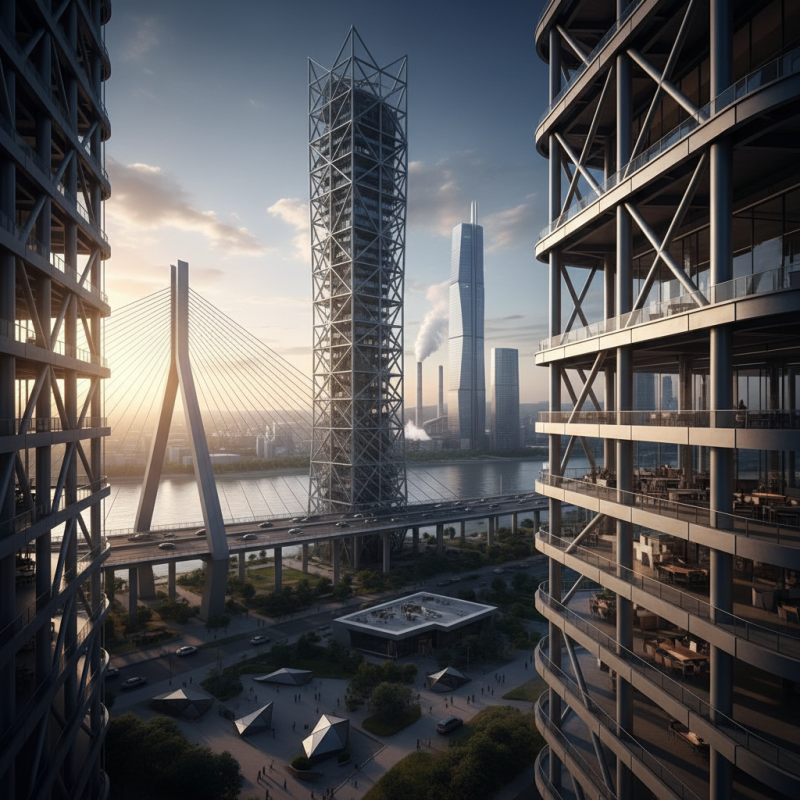
Steel has played a pivotal role in the evolution of modern architecture. Its introduction transformed construction practices and techniques. In the late 19th century, the Industrial Revolution sparked significant advances in metallurgy. The result was a material that was not only strong but also versatile. Buildings could now reach unprecedented heights, reshaping skylines around the world. Think of iconic structures like skyscrapers and bridges; they owe their existence to steel.
The historical significance of steel in construction reflects its journey from a niche industrial product to a fundamental building material. Early structures were limited by available materials. Wood and stone defined construction for centuries. However, as steel became more available, it changed everything. It allowed for larger spans and innovative designs. Cities flourished with grand buildings, showcasing the potential of steel. Yet, this shift wasn't without challenges. The reliance on steel also raised questions about sustainability and resources. Balancing durability with ecological impact remains a vital discussion today.
Steel is fundamental in modern building construction due to its exceptional properties. Its high tensile strength allows for the creation of taller and more resilient structures. According to the American Institute of Steel Construction, steel can sustain loads of over 100,000 psi. This capability means architects and engineers can design buildings that are not only striking but also safe and durable.
In addition to strength, steel's ductility offers significant advantages. When under stress, steel can deform without breaking. This characteristic is crucial in areas prone to seismic activity. The ability to absorb energy and maintain structural integrity during earthquakes can save lives. A study by the National Institute of Standards and Technology highlighted that steel-framed buildings withstand seismic forces more effectively than others.
Furthermore, steel is recyclable and contributes to sustainable building practices. According to the World Steel Association, about 85% of steel is recycled at the end of its life cycle. While this creates a more sustainable approach, it also raises questions about the energy used in steel production. Making steel is energy-intensive. Finding ways to reduce this impact remains a challenge. Therefore, while steel is essential, there are aspects of its production that could benefit from improvement.
Steel plays a pivotal role in modern architectural design. Its strength allows for innovative structures that stretch the limits of creativity. Steel-framed buildings can rise higher and withstand harsher conditions. According to the World Steel Association, about 1.6 billion tons of steel were produced globally in 2020. This figure reflects steel’s demand in construction, making it a staple in the industry.
Designers favor steel for its flexibility. Pre-fabricated steel components can lead to faster construction and reduced labor costs. In a study by the American Institute of Steel Construction, projects utilizing steel showed a 20% reduction in construction time compared to traditional materials. However, it’s crucial to choose the right type of steel. Not all steel is created equal, and the wrong choice can lead to structural issues.
Tip: Always consult with structural engineers when selecting materials. Their expertise can guide you in making the best choices for your project. Furthermore, consider the environmental impact. Recycled steel is often a top choice, promoting sustainability in modern building practices. Balancing design aspirations with material properties requires reflection and consideration.
Steel plays a crucial role in modern building construction. Its strength and durability make it a preferred material for designing skyscrapers and bridges. However, when considering the environmental impact, steel production raises some concerns. The manufacturing process often involves significant energy consumption and greenhouse gas emissions. Choosing sustainable practices in the steel industry is essential for balancing development with environmental protection.
To mitigate these environmental impacts, consider sourcing steel made from recycled materials. Recycled steel requires less energy to produce. Additionally, advancements in technology can lead to cleaner production methods. Building owners and architects can prioritize suppliers who are committed to reducing their carbon footprint.
Integrating steel with green building practices can also enhance environmental benefits. Use steel in combination with energy-efficient designs. Explore options like solar panels or green roofs alongside steel structures. These strategies contribute to sustainability while maintaining the integrity and aesthetic appeal of buildings. Recognizing the trade-offs involved can lead to more responsible construction practices.
Steel technology is evolving rapidly. Advanced methods are making steel stronger and lighter. These innovations help reduce energy consumption during construction. New steel alloys are more resistant to corrosion. This enhances the durability of buildings greatly.
Prefabrication is gaining popularity too. It allows for the assembly of steel components off-site. This method saves time and reduces waste. Robots and automation are increasingly used in fabrication. They improve precision and safety in the building process.
However, challenges remain. The environmental impact of steel production is significant. Innovations in recycling and sustainable practices are crucial. Finding better ways to source raw materials will also be a focus. The future of steel in construction looks promising, but reflection on these issues is necessary.
| Aspect | Description | Future Innovations |
|---|---|---|
| Strength | Steel provides a high strength-to-weight ratio, allowing for taller and more resilient structures. | Development of high-performance steel grades that enhance strength while reducing weight. |
| Durability | Resistance to various environmental conditions, making it suitable for structural applications. | Advancements in corrosion-resistant coatings for longer lifespan. |
| Sustainability | Recyclability and lower carbon footprint compared to other materials. | Innovations in production processes to reduce emissions and enhance recycling rates. |
| Versatility | Can be molded into various shapes, suitable for a range of architectural designs. | 3D printing technologies utilizing steel to create complex shapes and structures. |
| Cost-effectiveness | Lower overall costs due to quick installation and reduced maintenance. | Improved manufacturing techniques to lower production costs and enhance efficiency. |
: Steel is strong and flexible, allowing for innovative, tall structures that can withstand extreme conditions.
Steel components can speed up construction by 20% compared to traditional materials, reducing overall labor costs.
Not all steel types are the same. The wrong choice can lead to structural problems. Always consult a structural engineer.
Recycled steel promotes sustainability and reduces environmental impact. It is often preferred in modern building practices.
Steel technology is improving, resulting in stronger, lighter materials that reduce construction energy consumption.
Prefabrication allows off-site assembly, saving time and minimizing waste during the construction process.
Automation in fabrication enhances precision and safety, making the building process more efficient.
Steel production has a significant environmental impact. Innovations in recycling and sustainable practices are needed.
Reflecting on steel’s environmental impact and sourcing practices helps balance design goals with sustainability.
Yes, the future looks promising but requires ongoing reflection on sustainability and material sourcing.
Steel plays a crucial role in modern building construction, serving as a fundamental material that enhances structural integrity and durability. Historically significant, steel has evolved to support increasingly complex architectural designs, allowing for innovative and sustainable structures that meet the demands of contemporary society. The properties of steel, such as its high strength-to-weight ratio and flexibility, enable it to withstand various stresses and environmental challenges, making it indispensable in constructing skyscrapers, bridges, and other large-scale projects.
As we explore how steel is used in modern buildings, it becomes evident that its applications extend beyond mere structural support. Steel facilitates architectural creativity and energy efficiency while addressing environmental concerns through recyclable properties. Furthermore, ongoing innovations in steel technology promise to improve its performance and sustainability, ensuring steel remains at the forefront of building materials in future construction endeavors.
