 Altimexor Metal
Altimexor Metal
Altimexor Metal
In the ever-evolving construction industry, understanding how steel prices affect construction projects is crucial. Renowned industry expert Dr. Jane Morris, a leading economist at the Steel Market Analysis Institute, once stated, "Fluctuations in steel prices can determine the success or failure of construction projects." Her insight emphasizes the significant impact of material costs on project feasibility.
As we head into 2026, the demand for steel continues to rise. This could lead to higher prices, affecting budgets and timelines. Construction firms must navigate these challenges carefully. Increased steel prices can lead to project delays. Additionally, some companies may need to cut costs or alter their designs to stay within budget constraints.
Moreover, understanding the market dynamics is key. Economic factors, such as tariffs and global demand, contribute to price volatility. Construction firms often overlook these influences, only to face unexpected costs later. Thus, it's essential for companies to stay updated on steel pricing trends. Awareness can help them make informed decisions. The construction landscape is at a tipping point, and those who recognize the significance of steel prices will gain a competitive edge.
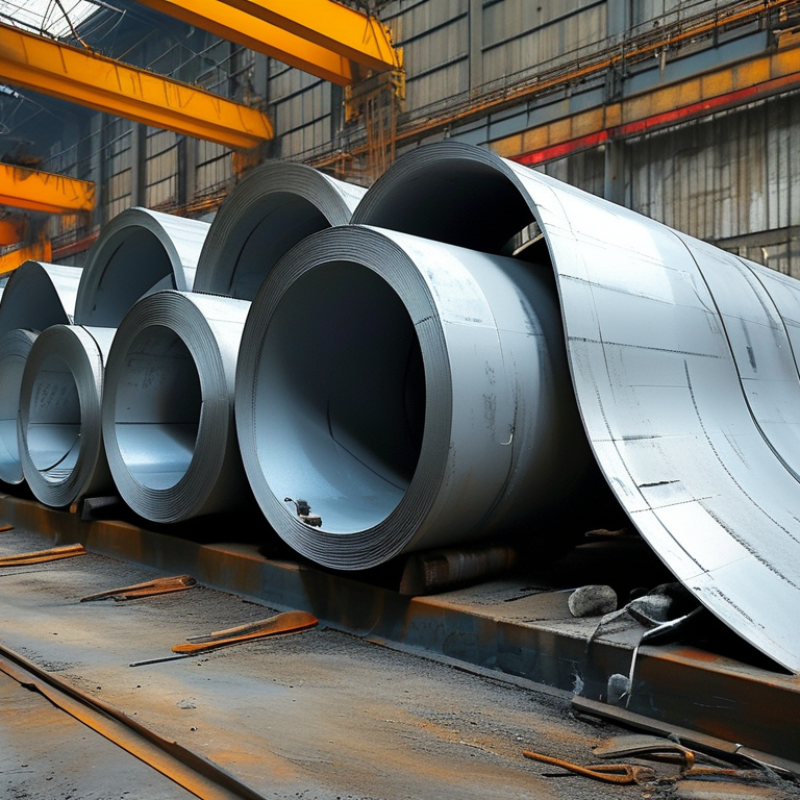
Steel is a cornerstone of modern construction. Its price fluctuations can significantly impact project budgets. According to the World Steel Association, steel prices surged by 25% between 2022 and 2023. Such increases can elevate overall construction costs and delay project timelines. In 2026, this trend might continue, making effective budget planning crucial for project managers.
The implications are far-reaching. A 10% increase in steel costs can add millions to a large-scale construction project. This forces companies to reconsider their designs or materials. Many may shift to alternative materials like aluminum or composites, which may not provide the same structural benefits. Consequently, quality and safety could become areas needing reflection.
Moreover, market dynamics will heavily influence prices. Economic downturns can lead to reduced demand, affecting the availability of steel. Project managers must stay informed and adaptable. Maintaining relationships with suppliers is vital. Understanding these elements will be essential for navigating the construction landscape in 2026.
: Steel price changes can significantly impact project costs and budgets. Even minor increases can lead to budget constraints.
Managers should consider locking in prices with suppliers to stabilize budgets. This can mitigate some cost uncertainties.
Using alternatives like aluminum or composites may offer cost savings. However, this could affect the project's structural integrity.
Regular discussions with financial teams and contractors can provide insights. This helps in making informed budget adjustments.
A 10% rise can add millions to large projects, forcing companies to rethink designs. Quality and safety may need reconsideration.
Economic downturns can reduce demand for steel, affecting availability and prices. Project managers must stay informed.
Yes, building contingencies into budgets is essential. Being adaptable helps manage unexpected cost increases effectively.
Relying on steel means facing potential budget overruns. Companies must reflect on the trade-offs between cost and quality.
Strong supplier relationships help in navigating market changes. This can provide better insights and potential savings.
Poor management might lead to delays or cancellations. Learning from these experiences is vital for future projects.
Steel plays a pivotal role in the economics of construction, and understanding how steel prices affect construction projects is essential for stakeholders in the industry. In 2026, fluctuations in steel prices are influenced by various factors, including global demand, supply chain challenges, and economic trends. These price changes have direct repercussions on construction budgets, often leading to increased costs that can strain financial resources.
Moreover, rising steel prices can impact project timelines and resource allocation, as contractors may need to reassess their strategies to accommodate escalating material costs. To mitigate the risks associated with steel price volatility, construction firms can explore strategies such as long-term contracts, alternative materials, and effective project management techniques. By grasping these dynamics, industry players can make informed decisions that enhance their resilience amid fluctuating steel prices.

%20Metal%20Products%20Co.%2C%20Ltd._Steel%20Pipe%2CSteel%20Plate&images=https%253A%252F%252Fomo-oss-image.thefastimg.com%252Fportal-saas%252Fpg2025102019471928898%252Fcms%252Fimage%252F048d5311-fbf7-4e5e-8816-c4626d2ac3bf.png_1920xaf.png&summary=)