Altimexor Metal
In 2026, understanding how steel is produced in manufacturing is vital for various industries. This knowledge shapes our infrastructure, automotive, and appliance sectors. Steel remains a foundational material, essential for modern construction and innovation.
The production process involves several intricate stages, each requiring precision and expertise. From the extraction of raw iron ore to the final product, the methods employed have evolved significantly. Technologies such as automation and advanced metallurgy play a critical role, enhancing efficiency and sustainability. Yet, awareness about the environmental impact is growing.
Manufacturers face challenges in balancing productivity with eco-friendly practices. The need for quality assurance remains paramount. Innovations are necessary, but constant reflection on methods and outcomes is also crucial. In this ever-changing landscape, one must question: are we producing steel responsibly and sustainably?
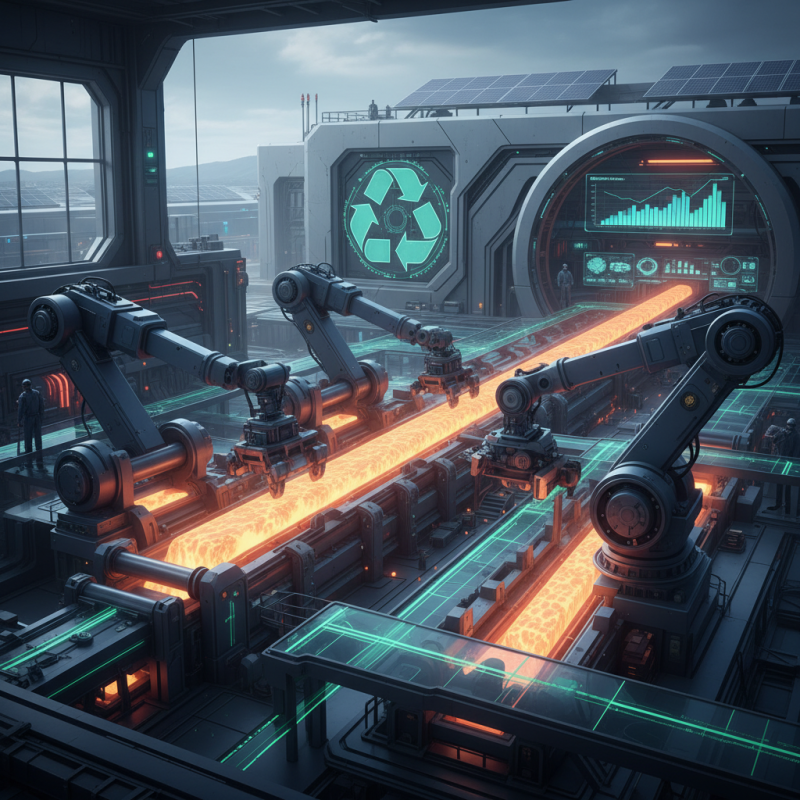
In 2026, steel manufacturing has evolved significantly. The primary processes now include the basic oxygen process, electric arc furnace, and advanced metallurgical techniques. These methods focus on efficiency and sustainability. The basic oxygen process uses molten iron and scrap steel. High-purity oxygen is injected to reduce impurities. This method is dominant due to its ability to produce large quantities rapidly.
Electric arc furnaces have gained traction for their energy efficiency. They melt scrap steel using electrical currents. This reduces reliance on raw materials, addressing environmental concerns. However, the challenge lies in sourcing high-quality scrap steel consistently. This method requires careful monitoring of inputs to ensure product quality.
Advanced metallurgical techniques have introduced innovations in alloy production. These processes allow for the creation of specialized steel types. They cater to specific industry needs, enhancing performance. While promising, these methods necessitate skilled labor and advanced technology. Balancing cost and quality remains a key focus in these advancements. Continued investment in research and development is vital for long-term success.
This chart displays the production volumes of various steel manufacturing methods in 2026, illustrating the dominant role of blast furnace methods in global steel production.
In 2026, the steel production process emphasizes raw material preparation and sourcing. The primary materials include iron ore, coal, and limestone. Efficient sourcing of these raw materials is crucial. Manufacturers often face challenges in finding high-quality ore due to environmental factors and mining regulations.
Transporting raw materials also poses logistical issues. Steel manufacturers need to ensure timely delivery. Delays can disrupt production schedules. Thus, developing robust relationships with suppliers is essential for reliability. Some companies adopt technology to monitor supply chains. This helps in making informed decisions about sourcing.
However, sourcing practices also raise concerns. The environmental impact of mining activities is significant. Companies must reflect on sustainable sourcing methods. Recycling scrap steel could be a viable alternative, reducing the demand for raw materials. While this approach is promising, challenges remain in processing and quality control. Continued innovation will be necessary to address these issues in the years to come.
The steel production landscape is rapidly evolving. Advanced technologies have emerged, shaping how steel is manufactured in 2026.
Automation plays a significant role in enhancing productivity. Robotic systems streamline manufacturing processes, reducing human error.
They also allow for higher precision in tasks like cutting and welding.
Artificial intelligence (AI) is another crucial innovation. AI algorithms analyze data in real time.
This helps identify inefficiencies in production. Such data-driven insights are essential for optimizing energy consumption and minimizing waste.
However, the implementation of AI in steel manufacturing is not without challenges. Many industries are still adjusting to integrating AI effectively.
Sustainable practices are becoming increasingly vital. Innovations such as electric arc furnaces burn less fossil fuel.
This reduces greenhouse gas emissions. Some facilities aim for carbon neutrality by using renewable energy sources.
Still, the transition can be complex and costly for traditional steel producers. Balancing innovation with economic viability is a constant struggle.
Each advancement pushes the industry forward, yet raises questions about feasibility and impact.
Steel manufacturing in 2026 faces significant environmental challenges. The industry must adapt to reduce its carbon footprint. Current methods, while effective, often rely on fossil fuels. As countries enforce stricter regulations, manufacturers are pushed to find sustainable alternatives.
Renewable energy sources are gaining traction. Wind and solar power are becoming viable options for steel production. However, transitioning from traditional fuels to renewables poses logistical challenges. The infrastructure is not fully developed, and initial costs can be high.
Recycling scrap steel is another key area for improvement. This process uses far less energy than producing new steel from raw materials. Yet, not all scrap is reused efficiently. Innovations in sorting and processing scrap are crucial for enhancing recycling rates. Achieving sustainability requires more than just technology; it demands a shift in mindset within the industry.
| Aspect | 2026 Data | Environmental Impact | Sustainability Initiatives |
|---|---|---|---|
| Total Steel Production | 1.8 billion metric tons | High CO2 emissions | Use of recycled scrap metal |
| Electric Arc Furnace (EAF) Share | 70% | Lower energy consumption | Increased renewable energy use |
| Greenhouse Gas Emissions | 1.5 billion tons of CO2 | Significant impact on climate change | Carbon capture technology |
| Water Usage | 1.5 billion cubic meters | High water consumption | Water recycling systems |
| Recycling Rate | 90% | Reduced raw material extraction | Consumer awareness programs |
In 2026, quality control in steel production processes has become more advanced. Manufacturers employ cutting-edge technology to monitor and assess quality at each stage. Automated systems now track temperature, pressure, and chemical composition in real-time. This ensures the final product meets strict safety standards.
However, challenges remain. Human errors in manual inspections can still occur. Training for workers must be ongoing to mitigate these risks. Regular audits of equipment and processes are essential. They help identify flaws or potential issues early. These steps are vital for maintaining safety in steel production.
Tip: Regularly review training programs for staff to keep them updated on safety protocols.
Preventive maintenance is also crucial. Equipment malfunctions can lead to production delays. They may also affect product quality. Routine checks and prompt repairs can minimize disruptions.
Tip: Implement a checklist for equipment checks every month.
Quality assurance teams should collaborate closely with production staff. Open communication channels help in identifying problems quickly. This collaboration not only improves safety but also fosters a culture of accountability within the facility.
: Automation enhances productivity by streamlining processes, reducing human error, and improving precision in tasks like cutting and welding.
AI analyzes data in real time to identify inefficiencies, optimize energy use, and minimize waste in production.
Many industries struggle to integrate AI effectively, facing difficulties in adapting existing processes to new technologies.
Sustainable practices, such as electric arc furnaces, reduce greenhouse gas emissions and support goals for carbon neutrality.
Traditional steel producers face challenges related to costs and feasibility when adopting renewable energy sources.
Advanced technology now enables real-time monitoring of temperature, pressure, and chemical composition for quality assurance.
Human error can occur in manual inspections, making ongoing training essential to ensure consistent quality and safety.
Equipment malfunctions can cause delays and affect product quality, so routine checks and repairs are necessary.
Open communication channels help quickly identify problems, enhancing safety and fostering accountability within the facility.
Implementing a monthly checklist for equipment checks is an excellent way to ensure regular maintenance and safety standards.
In 2026, understanding how steel is produced in manufacturing involves a comprehensive exploration of the manufacturing processes and advancements in technology. The preparation and sourcing of raw materials have become more efficient, utilizing innovative practices that enhance productivity and reduce waste. Advanced technologies, such as automation and artificial intelligence, are transforming steel production by streamlining operations and introducing new methods for quality enhancement.
Environmental considerations play a crucial role in modern steel manufacturing, with a focus on sustainability practices that aim to minimize carbon emissions and energy consumption. Moreover, stringent quality control and safety standards are integrated throughout the production processes, ensuring the delivery of high-quality steel while safeguarding the welfare of workers. Together, these elements reflect a dynamic and responsible approach to steel manufacturing in 2026.
