 Altimexor Metal
Altimexor Metal
Altimexor Metal
In today’s rapidly evolving construction industry, the question is clear: why steel structures are popular in modern construction? According to Dr. Emily Johnson, a renowned expert in structural engineering, "Steel offers unmatched benefits such as durability, flexibility, and sustainability." Her insight highlights a crucial factor driving the shift towards steel in building projects.
Steel structures are incredibly versatile. They can be tailored to fit a variety of designs and functions. This adaptability allows architects to push creative boundaries. Additionally, steel’s strength-to-weight ratio makes it ideal for high-rise buildings and large spans. These properties contribute to shorter construction times and lower costs. However, steel is not without challenges. Corrosion resistance and thermal performance are often concerns that must be addressed.
Despite these obstacles, steel remains a favorite among builders. Structural integrity and resilience make it a reliable choice. As cities grow and face new demands, the use of steel is set to increase. The asking question remains: are we fully leveraging all that steel has to offer in modern construction?
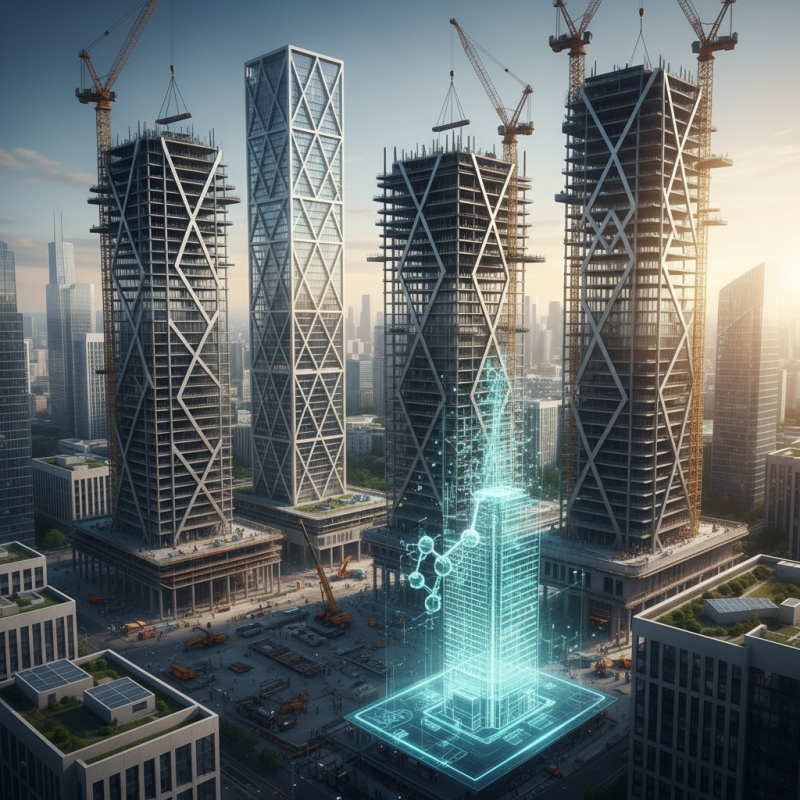
The rise of steel in modern construction has been impressive. Recent studies reveal that global demand for steel in construction is projected to reach 1.6 billion metric tons by 2030. This surge is driven by urbanization, climate resilience, and the need for sustainable practices. Steel structures offer flexibility, durability, and reduced waste, making them a popular choice among architects and builders.
Data from the World Steel Association shows that steel frames can reduce construction time by 25-30%. This efficiency is crucial in fast-paced urban developments. Additionally, steel's recyclability significantly lowers the carbon footprint. Approximately 90% of steel is recyclable without losing its properties. However, challenges such as corrosion and initial costs need addressing. These factors require ongoing research and innovation to improve steel applications.
Market trends indicate a shift towards hybrid structures. Combining steel with timber or concrete offers enhanced performance. Acknowledging the pros and cons of each material is essential. As we advance, the construction industry must remain agile, continuously refining processes to embrace sustainability and efficiency.
: Steel has a high strength-to-weight ratio, enabling taller buildings without losing stability.
Steel resists rot, insects, and fire, leading to less maintenance and longer building lifespans.
Yes, steel is recyclable, reducing waste and supporting sustainable construction practices.
Innovations include 3D printing and automated framing, improving efficiency and reducing waste.
High initial costs and integrating new technologies require significant investment and skilled labor.
Design advancements allow steel to be used creatively, resulting in modern and striking aesthetics.
It's a smart material that can repair itself when paired with steel, enhancing durability.
Despite innovations, the environmental impact of steel production still needs addressing and improvement.
Solutions like increased recycling and the use of renewable energy sources are essential for improvement.
Balancing innovation with responsible practices is crucial for the future of steel construction.
Steel structures are gaining popularity in modern construction due to their numerous advantages over traditional building materials. With significant advancements in technology, the use of steel has shown remarkable trends, including increased durability, cost-effectiveness, and a faster construction process. These benefits make steel an attractive choice for builders and architects looking for efficiency and resilience in their projects.
Moreover, sustainability plays a crucial role in why steel structures are popular in modern construction. The ability to recycle steel significantly reduces environmental impact while contributing to sustainable building practices. As the industry continues to innovate with emerging technologies, the future outlook for steel construction remains bright, ensuring that architects and developers will continue to embrace steel as a primary material for the buildings of tomorrow.

%20Metal%20Products%20Co.%2C%20Ltd._Steel%20Pipe%2CSteel%20Plate&images=https%253A%252F%252Fomo-oss-image.thefastimg.com%252Fportal-saas%252Fpg2025102019471928898%252Fcms%252Fimage%252F048d5311-fbf7-4e5e-8816-c4626d2ac3bf.png_1920xaf.png&summary=)