Altimexor Metal
When it comes to construction and manufacturing, the quality of steel materials is crucial. Learning how to identify high quality steel materials can save time and costs, ensuring safety and durability in your projects. Steel is a versatile material, but not all steel is created equal.
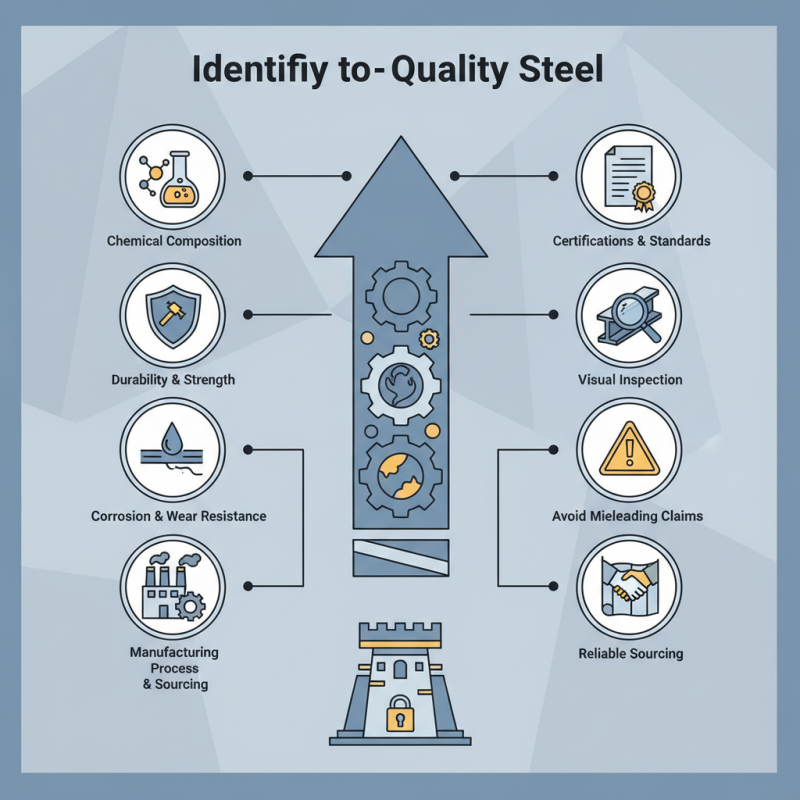
Understanding the characteristics of high-quality steel is essential for anyone in construction or fabrication. Consider factors like chemical composition, durability, and strength. High-quality steel should possess excellent resistance to corrosion and wear. Additionally, the manufacturing process impacts steel's quality. It’s vital to know where and how the steel is sourced.
Practicing critical evaluation of steel materials can improve outcomes significantly. This involves assessing certifications and conducting visual inspections. Awareness of common pitfalls, like misleading claims, can also guide decision-making. By applying these tips, you can confidently choose steel that meets your project's demands.
Understanding the basics of steel quality and types is crucial for selecting high-quality materials. Steel can be categorized primarily into carbon steel, alloy steel, stainless steel, and tool steel. Each type has unique properties and suitability for various applications. For instance, stainless steel resists corrosion better but may be costlier. Understanding these differences helps in making informed decisions.
When assessing steel quality, consider factors like tensile strength, ductility, and yield strength. High-quality steel exhibits excellent tensile strength, enabling it to withstand heavy loads. Ductility refers to how easily steel can be shaped. This property is vital, especially in construction projects.
Testing methods add another layer of assurance in quality control. Hardness tests can reveal how resistant the material is to wear. Other tests, like impact testing, measure resilience under sudden stress. Sometimes, imperfections lie in the manufacturing process, leading to defects. Identifying these early can save time and costs later on. Always ask for detailed material certifications and testing reports.
When assessing steel materials, several key properties come into play. First, evaluate the tensile strength. This property indicates how much pulling force a material can withstand before breaking. High tensile strength ensures the steel can withstand heavy loads and resist deformation.
Next, consider the yield strength. It defines the stress level at which steel starts to deform permanently. A higher yield strength means the material is less likely to bend under pressure. Additionally, examine the ductility of the steel. Ductile materials can undergo significant deformation before fracture, which is crucial in structural applications.
Another important property is corrosion resistance. Steel that can withstand environmental factors will have a longer service life. Finally, check the hardness of the material. Harder steel can resist wear and tear but may be more brittle. Understanding these properties helps in selecting the right steel for specific applications. It’s essential to balance these characteristics based on project requirements, as focusing solely on one may lead to compromises in other critical aspects. Evaluating them meticulously can be a challenging but rewarding process, especially for novice users.
When assessing steel materials, testing methods play a crucial role in determining their strength and durability. One common method is the tensile test. This test measures how much a steel sample can stretch before breaking. It's vital to apply this method correctly, as small errors can lead to inaccurate results. Variability in sample preparation can affect the outcome significantly.
Another effective technique is the hardness test. This evaluation reveals how resistant steel is to deformation. Methods like Rockwell or Brinell tests can offer insights into the steel's resistance to wear. However, discrepancies in operator technique and equipment calibration can lead to inconsistent data. Attention to detail in these processes is essential for reliable results.
Impact tests are also vital in assessing steel's toughness. They measure how steel behaves under sudden stress. It's important to remember that results can vary based on temperature and specimen size. Hence, a single test may not provide a complete picture. Regular calibration of testing machines is essential to maintaining accuracy in all these methods, ensuring that quality assessments of steel materials are trustworthy.
When it comes to recognizing quality steel, certifications and standards are key indicators. Look for relevant certifications like ISO 9001 or ASTM specifications. These certifications confirm that a manufacturer adheres to international quality standards. They ensure the steel has been tested and meets specific performance requirements.
Additionally, different steel grades serve various purposes. The presence of an American Society for Testing and Materials (ASTM) mark can hint at the quality you can expect. Not all steel is created equal, and knowing the grade helps in selecting the right material for your project. However, not every supplier offers transparent documentation. That’s where due diligence comes in.
Furthermore, understanding international and regional standards can be complex. Some manufacturers may claim compliance without proper validation. This makes thorough research vital. Inconsistencies in the steel's structure can impact durability and performance. Thus, when purchasing, request detailed reports and ask questions about the steel's origin and treatment processes. Seeking expert opinions can further enhance your understanding.
When selecting steel materials, the reputation of the manufacturer plays a pivotal role. A reliable manufacturer ensures consistent quality in their products. According to a report from the Steel Manufacturers Association, about 70% of project failures can be traced back to subpar materials. This highlights the necessity of relying on reputable companies.
An established manufacturer often adheres to stringent quality standards. They conduct rigorous testing throughout the production process. Reports indicate that 85% of high-quality steel producers implement quality management systems, ensuring fewer defects. This attention to detail can significantly affect project timelines and costs.
Choosing a well-regarded manufacturer also opens access to expert advice. These companies often have experience in various applications. They can help in selecting the right steel for specific needs. However, it’s crucial not to take reputation at face value. Checking certifications and customer reviews is essential. In some cases, even reputed manufacturers have supplied materials that didn't meet expectations. Ensuring that the selected materials align with industry standards requires diligence and thorough research.
: The primary types of steel include carbon steel, alloy steel, stainless steel, and tool steel.
Stainless steel offers better corrosion resistance, which contributes to its higher cost compared to others.
Consider tensile strength, ductility, and yield strength when assessing steel quality.
Tensile strength measures a steel sample's ability to withstand heavy loads before breaking.
Ductility indicates how easily steel can be shaped, important for construction and fabrication projects.
The tensile test measures how much a steel sample can stretch before it breaks.
Hardness tests show how resistant steel is to deformation and wear under stress.
Regular calibration maintains testing accuracy, ensuring reliable results in steel quality assessments.
Yes, manufacturing defects can arise, which may affect overall steel quality and performance.
No, inconsistencies can occur due to variability in testing methods and operator technique.
To identify high quality steel materials, it is essential to understand the basic types of steel and their qualities. Key properties such as tensile strength, corrosion resistance, and ductility are critical when evaluating steel materials. Additionally, employing various testing methods can help determine the strength and durability of the steel, ensuring it meets project requirements.
Recognizing relevant certifications and industry standards plays a significant role in assessing steel quality, as these benchmarks are indicators of reliability. Furthermore, considering the reputation of the manufacturer can guide buyers in selecting superior steel. By following these guidelines on how to identify high quality steel materials, one can make informed decisions that enhance the overall integrity of construction and manufacturing projects.
