Altimexor Metal Altimexor Metal

China Top 10 Differences Between Cold Rolled and Hot Rolled Steel?

Time:2026-07-24 Author:Sienna
0%

When exploring the world of steel manufacturing, one key question arises: what are the differences between cold rolled and hot rolled steel? This inquiry is vital for industries that rely on these materials, such as construction and manufacturing. Both processes yield distinct characteristics in steel, influencing their applications and performance.

Cold rolled steel undergoes processing at room temperature, resulting in tighter tolerances and a smoother finish. This makes it ideal for applications requiring precision. In contrast, hot rolled steel is manufactured at high temperatures, allowing for easier shaping and welding, but often with less precise dimensions. Understanding these differences is crucial for selecting the right material for your project.

In examining these two steel types, it's important to consider your project's specific needs. For instance, cold rolled steel might be preferable for automotive parts where precision is vital. However, hot rolled steel could suffice for structural applications where cost-effective solutions are prioritized. By understanding their unique properties, one can make informed decisions in the world of steel fabrication.
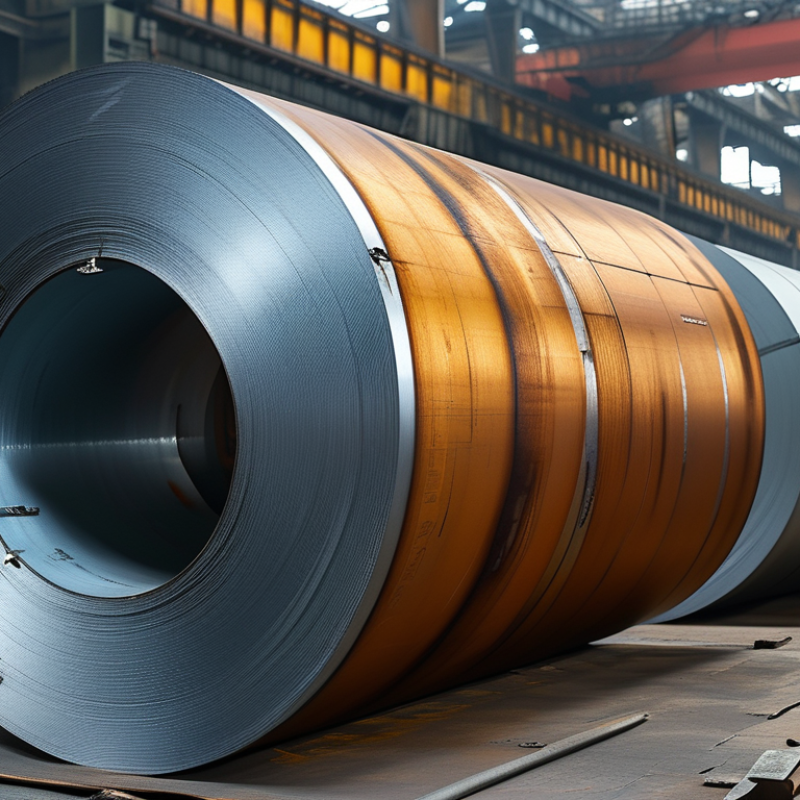
China Top 10 Differences Between Cold Rolled and Hot Rolled Steel?

Differences in Manufacturing Processes of Cold Rolled and Hot Rolled Steel

Cold rolled and hot rolled steel differ significantly in their manufacturing processes, resulting in unique properties for each. Hot rolling occurs at high temperatures, typically around 1700°F. At this temperature, steel becomes malleable, allowing for easy shaping and forming. This process leads to lower production costs but can result in a rough surface finish. According to industry reports, hot rolled steel applications often include structural components and parts subjected to further processing.

In contrast, cold rolling takes place at room temperature. This leads to a finer finish and tighter tolerances. The process involves further processing of hot rolled steel, resulting in enhanced mechanical properties. Cold rolled steel is known for its excellent strength, ductility, and corrosion resistance. Data from industry experts suggests that it is commonly used in automotive and appliance manufacturing due to these attributes.

Tips: When selecting between cold and hot rolled steel, consider your project requirements. Cold rolled steel offers superior precision, but it may come at a higher cost. Conversely, hot rolled steel is more affordable, though it may require additional finishing work. Understand your needs clearly to make the best choice.

Mechanical Properties Comparison: Strength, Ductility, and Hardness

Cold rolled and hot rolled steel exhibit notable differences in their mechanical properties. When assessing strength, cold rolled steel typically has higher tensile strength. This is due to the strain hardening process during production. It undergoes deformation at room temperature, enhancing its overall strength. Conversely, hot rolled steel is more ductile. The high temperatures during production allow it to flow easily, making it suitable for applications requiring malleability.

Ductility plays a crucial role in various structural applications. Cold rolled steel can be more brittle at lower temperatures, occasionally leading to fractures. Hot rolled steel, on the other hand, can bend without breaking, which is beneficial for forming processes. Hardness also differs between the two. Cold rolled steel is harder overall, but this hardness can make it less workable. In manufacturing contexts, this might require heat treatment to make it more malleable for specific tasks.

While both types have their advantages, the choice depends on the application. Cold rolled steel shines in precise applications requiring strength. But it can present challenges when extreme ductility is needed. Understanding these properties helps industries make informed choices. Each type presents trade-offs. Evaluating them requires careful consideration of the project's needs.

Applications: Industries Utilizing Cold Rolled vs. Hot Rolled Steel

Cold rolled and hot rolled steel serve different industries due to their unique properties. Cold rolled steel undergoes a refining process that results in higher strength and a superior surface finish. This makes it an optimal choice for industries like automotive manufacturing. Automotive components often require precise tolerances and aesthetic qualities that cold rolled steel provides.

On the other hand, hot rolled steel is preferred in industries like construction and heavy machinery. Its manufacturing process allows for larger sections and shapes, which accommodate structural needs. According to the World Steel Association, a significant portion of steel used in construction is hot rolled, reflecting its essential role in building frameworks and supports.

Cold rolled steel is also utilized in the appliance industry. Appliances require materials that are not only durable but also visually appealing. Reports show that more than 25% of cold rolled steel is used in household appliances, demonstrating its versatility. However, the cost difference between the two processes can be a factor. Cold rolled steel generally has higher production costs but offers benefits that should be considered closely.

Cost Analysis: Pricing Variations Between Cold Rolled and Hot Rolled Steel

When choosing between cold rolled and hot rolled steel, pricing variations play a crucial role. Cold rolled steel is generally more expensive than its hot rolled counterpart. This price difference stems mainly from the additional processing that cold rolled steel undergoes. The manufacturing of cold rolled steel involves processes that yield tighter tolerances and a smoother finish. This extra work leads to higher costs.

Hot rolled steel is cheaper because it is produced at higher temperatures. The process allows for easier shaping and forming. As a result, manufacturers often choose hot rolled steel for structural applications where precision is less critical. However, the lower price can sometimes reflect a trade-off in quality. Some projects may prefer the enhanced attributes of cold rolled steel despite the increased cost.

Tips: Always consider your project requirements. A lower initial price may lead to higher expenses down the line if more processing is needed. Evaluate the long-term performance of the materials. Quality sometimes outweighs cost, especially in demanding applications.

Surface Finish and Coating Options for Both Types of Steel

When considering surface finish and coating options for cold rolled and hot rolled steel, distinct characteristics emerge. Cold rolled steel typically offers a smoother, more refined surface. This is due to the lower temperatures used in its processing, allowing for tighter tolerances and better aesthetics. In contrast, hot rolled steel features a rougher finish. The elevated temperatures cause scale formation, which requires additional surface treatments if aesthetics are a priority.

Both steel types can be coated for enhanced durability. Common options include galvanizing and powder coating. Galvanized coatings provide excellent corrosion resistance, especially for outdoor use. On the other hand, powder coating offers a range of colors and finishes, ideal for decorative applications.

Tip: Always assess the intended application when choosing between coatings. Hot rolled steel may need more extensive preparation for surface treatments. Conversely, the smoother surface of cold rolled steel can simplify coating processes.

In terms of maintenance, the coating can significantly influence longevity. Regular inspections can catch issues early. Ensure coatings are applied correctly to maximize performance. Investing in quality surface treatments can save costs in repairs down the line.

FAQS

: What is the main difference between cold rolled and hot rolled steel?

: The main difference lies in their manufacturing processes. Hot rolling occurs at high temperatures, while cold rolling takes place at room temperature.

How does temperature affect steel properties during manufacturing?

High temperatures make steel malleable for hot rolling, leading to easier shaping. Cold rolling maintains tighter tolerances and enhances strength.

What are common uses for cold rolled steel?

Cold rolled steel is often used in automotive manufacturing and appliances due to its strength and aesthetic qualities.

Why is hot rolled steel favored in construction?

Its ability to create larger sections and shapes makes hot rolled steel ideal for structural applications like building frameworks.

Is cold rolled steel more expensive than hot rolled steel?

Yes, cold rolled steel generally has higher production costs due to additional processing for finer finishes and tighter tolerances.

What factors should be considered when choosing steel types?

Consider project requirements, desired precision, and budget, as lower initial costs may lead to higher long-term expenses.

Can hot rolled steel require further processing?

Yes, hot rolled steel often requires additional finishing work for projects needing higher precision or better aesthetics.

How does corrosion resistance differ between the two types?

Cold rolled steel typically offers better corrosion resistance compared to hot rolled steel, making it suitable for more demanding environments.

What is a possible drawback of using hot rolled steel?

The rough surface finish may not meet aesthetic standards for all applications, potentially necessitating extra effort to improve quality.

Why might someone choose cold rolled steel despite the cost?

The improved mechanical properties and finish may justify the higher price for projects where quality and precision are critical.

Conclusion

The article titled "China Top 10 Differences Between Cold Rolled and Hot Rolled Steel" explores various aspects that distinguish these two types of steel. Firstly, it highlights the differences in their manufacturing processes, noting that cold rolled steel is processed at room temperature, while hot rolled steel is formed at high temperatures, affecting their mechanical properties significantly. This leads to a comparison of strength, ductility, and hardness, showcasing how each type of steel serves different needs based on these attributes.

Additionally, the article delves into the applications of both cold rolled and hot rolled steel across various industries, emphasizing the specific uses that make each type suitable for different projects. A cost analysis reveals the varying pricing structures associated with both types, influenced by their manufacturing processes and material characteristics. Lastly, the surface finish and coating options available for each type are outlined, further clarifying "what are the differences between cold rolled and hot rolled steel" in terms of aesthetics and protection.

Sienna

Sienna

Sienna is a skilled marketing professional with a deep expertise in our company’s core products and services. With a passion for innovation and detail, she plays a pivotal role in crafting insightful blog posts that not only highlight the unique features of our offerings but also provide valuable......