The steel construction industry is undergoing significant changes, driven by technological advancements and sustainability goals. Understanding what trends are shaping the future of steel construction is vital for architects, engineers, and builders. New materials and methods are emerging, pushing the boundaries of what steel can achieve.
Innovations, like 3D printing with steel, are gaining traction. This technology promotes efficiency and reduces waste. Meanwhile, sustainability is a pressing concern. Companies are focusing on eco-friendly practices that minimize the carbon footprint of steel production. These efforts could redefine industry standards.
The integration of smart technology is another key area. Building Information Modeling (BIM) is now standard in many projects. However, challenges remain. Manufacturers wrestle with supply chain disruptions and fluctuating costs. Understanding these dynamics is essential for stakeholders aiming to thrive in this evolving landscape. As we explore what trends are shaping the future of steel construction, it’s clear that embracing change is necessary, but the path forward is not without its complexities.
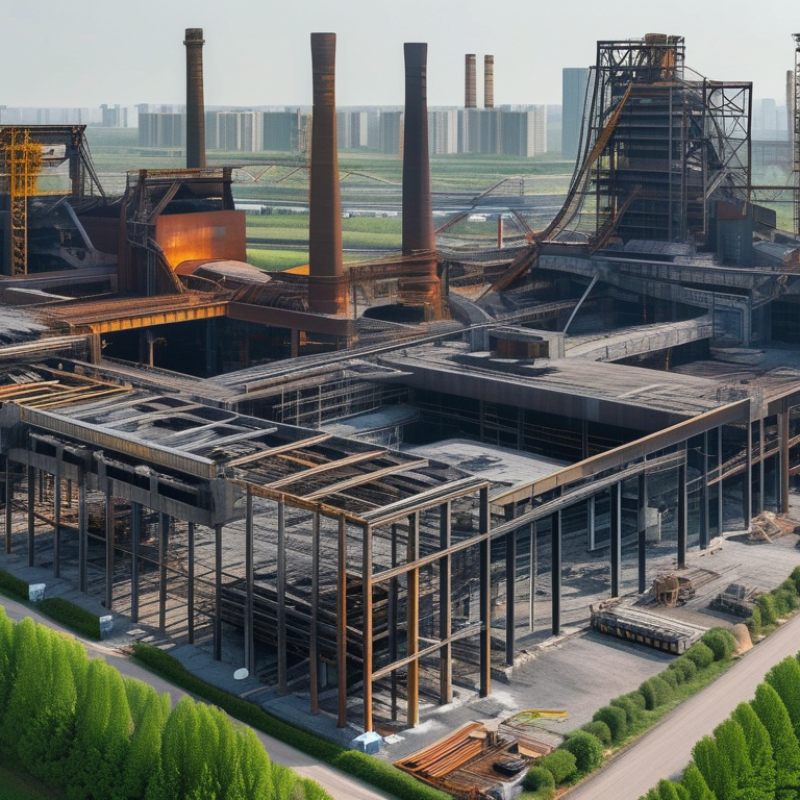
Emerging Technologies in Steel Construction: Innovations and Applications
Emerging technologies in steel construction are reshaping the industry, driving efficiency and sustainability. Innovations such as advanced robotics and artificial intelligence are enhancing productivity. A report by the World Steel Association indicates that automation can improve steel fabrication efficiency by 30%. This points to significant potential for cost savings and speed.
Moreover, Building Information Modeling (BIM) is revolutionizing project management. By enabling detailed 3D modeling, BIM reduces errors and rework costs. According to a study by McKinsey, the adoption of BIM can result in a 10-20% reduction in project delivery time. This capacity for real-time collaboration means teams can detect issues early, fostering better decision-making.
However, embracing these technologies is not without challenges. The initial investment can be daunting. Companies must navigate the learning curve associated with new tools and processes. Not all firms have the resources to implement such advancements. Addressing these gaps will be crucial for maximizing the benefits of emerging technologies in the steel construction sector.
Sustainability in Steel Production: Environmental Impact and Solutions
Sustainability is becoming a cornerstone in steel production. Recent studies indicate that the steel industry accounts for around 7% of global CO2 emissions. This figure highlights the urgent need for change. Many companies are adopting
electric arc furnaces (EAF), which can reduce emissions by up to 75%. This method also utilizes scrap steel, promoting a circular economy.
The implementation of innovative technologies plays a significant role in reducing environmental impact. For instance, hydrogen-based steelmaking is gaining interest. Reports suggest that this could potentially eliminate carbon emissions associated with traditional methods. However, challenges remain. High costs and infrastructure requirements must be addressed before widespread adoption can occur.
Recycling efforts in steel production are improving, but further commitment is necessary. Currently, about 90% of steel is recycled. Yet, some processes still involve substantial emissions. Industry leaders must focus on optimizing recycling methods. In turn, this could enhance material efficiency and sustainability. While progress is evident, continuous evaluation and innovative solutions are essential for a truly sustainable future in steel construction.
Design Trends in Steel Structures: Aesthetic and Functional Considerations
In recent years, the design of steel structures has evolved significantly. A blend of aesthetic appeal and functionality now shapes modern steel construction. Architects are increasingly prioritizing open spaces and fluid designs. This approach balances structural integrity with visual allure. Utilitarian designs are being reimagined to create stunning buildings that fulfill practical needs.
Tip: Consider using natural light in your designs. Skylights and large windows can enhance beauty and reduce energy costs.
Another trend is the integration of sustainability in steel structures. Recycled steel is becoming a popular choice. This shift addresses environmental concerns and provides a unique character to buildings. However, challenges remain in sourcing quality recycled material. Designers must ensure that aesthetics do not compromise structural performance.
Tip: Collaborate with engineers early on to ensure balance between style and safety.
Emphasizing innovative connections and joints may enhance visual appeal. However, this must be done judiciously. Flamboyant designs can sometimes lead to practical issues. Ensure thorough evaluation of each design concept to maintain durability.
What Trends Are Shaping the Future of Steel Construction?
| Trend |
Description |
Impact on Design |
Sustainability Aspect |
| Modular Construction |
Off-site fabrication of steel components to speed up construction. |
Allows for innovative shapes and quick assembly. |
Reduces waste and energy consumption during construction. |
| Smart Structures |
Integration of IoT sensors for real-time monitoring of structural health. |
Enhances safety and performance assessment. |
Promotes efficient maintenance strategies, extending lifecycle. |
| Sustainable Materials |
Use of recycled steel and low-carbon manufacturing processes. |
Supports modern aesthetic designs with eco-friendly materials. |
Significant reduction in carbon footprint. |
| Flexible Design |
Adaptable structures that can easily change function over time. |
Encourages the creation of multifunctional spaces. |
Less resource consumption, reducing the need for new materials. |
| Aesthetic Innovations |
New finishes and treatments to enhance visual appeal. |
Allows for unique architectural expressions. |
Durable options that reduce maintenance needs. |
Global Market Dynamics: Economic Factors Influencing Steel Construction
The future of steel construction is deeply influenced by global market dynamics. Economic factors play a crucial role. The recent fluctuations in steel prices have made it challenging for many construction firms. Contractors face tighter budgets and increased competition, impacting project timelines. Additionally, economic downturns can hinder investments in large-scale infrastructure projects.
Trade policies also shape the steel market. Tariffs and import restrictions can affect supply chains directly. Countries may turn to local producers to circumvent higher costs, influencing regional steel availability. These changes create uncertainty for builders and engineers. They must continually adapt to evolving regulations and market conditions.
Sustainability is becoming essential. Economies worldwide are pushing for greener technologies. Steel production emits significant greenhouse gases, which raises concerns. Companies must innovate to meet stricter environmental regulations. This shift towards sustainability, while necessary, requires substantial investment and commitment. The path ahead is complex but essential for a responsible future in construction.
Regulatory Changes: Impact of Policies on the Steel Industry’s Future
Regulatory changes are reshaping the future of the steel construction industry. Policies regarding environmental standards and emissions are becoming more stringent. In 2022, the global steel industry emitted approximately 2.1 billion tons of CO2. This statistic highlights the urgent need for compliance with regulations aimed at reducing carbon footprints. Many governments are now incentivizing innovation in low-carbon technologies.
Steel producers must adapt to these regulatory shifts. A report by the World Steel Association indicated that nearly 40% of companies are investing in green steel production. This shift is essential not only for environmental compliance but also for securing a competitive edge. Adapting to changes can be challenging. Companies may struggle to finance the transition or choose the right technologies.
Tips: Consider the long-term benefits of investing in cleaner production methods. Evaluate the costs vs. potential savings in energy and material waste. Engage with policymakers to stay ahead of regulatory changes. Awareness of these trends can inform strategic decisions. Understanding regulations helps mitigate risks associated with non-compliance.
Impact of Regulatory Changes on the Steel Industry's Future
Conclusion
The steel construction industry is undergoing significant transformations, driven by various emerging trends. Key innovations in technology are enhancing efficiency and safety, while the adoption of sustainable practices is addressing environmental concerns linked to steel production. Aesthetic and functional design trends are evolving, prioritizing not only structural integrity but also visual appeal.
Additionally, global market dynamics and economic factors are reshaping the landscape of steel construction, influencing demand and pricing. Regulatory changes are also playing a crucial role, as new policies impact production methods and industry standards. Collectively, these elements illustrate what trends are shaping the future of steel construction, highlighting the industry's commitment to innovation, sustainability, and adaptability in a changing world.
 Altimexor Metal

%20Metal%20Products%20Co.%2C%20Ltd._Steel%20Pipe%2CSteel%20Plate&images=https%253A%252F%252Fomo-oss-image.thefastimg.com%252Fportal-saas%252Fpg2025102019471928898%252Fcms%252Fimage%252F048d5311-fbf7-4e5e-8816-c4626d2ac3bf.png_1920xaf.png&summary=)