Altimexor Metal Altimexor Metal

What Types of Steel Are Used in Construction Explained

Time:2026-03-20 Author:Sophia
0%

In the world of construction, understanding "what types of steel are used in construction" is vital. Steel is a cornerstone material, shaping structures from skyscrapers to bridges. According to a report by the American Institute of Steel Construction, the construction industry consumes about 30 million tons of steel each year. This statistic underlines the importance of knowing the various grades and types of steel.

Expert Sarah Johnson, a structural engineer with over 15 years in the field, notes, “Selecting the right type of steel can significantly impact project longevity and safety.” She emphasizes that different applications demand specific steel types, such as carbon steel for strength or stainless steel for corrosion resistance. Yet, many projects still grapple with choosing the right material.

However, misconceptions about steel types can lead to costly mistakes. The industry must prioritize education on the various steel grades available. A lack of understanding can compromise structural integrity. Continuous learning in material selection is essential for engineers and builders alike.
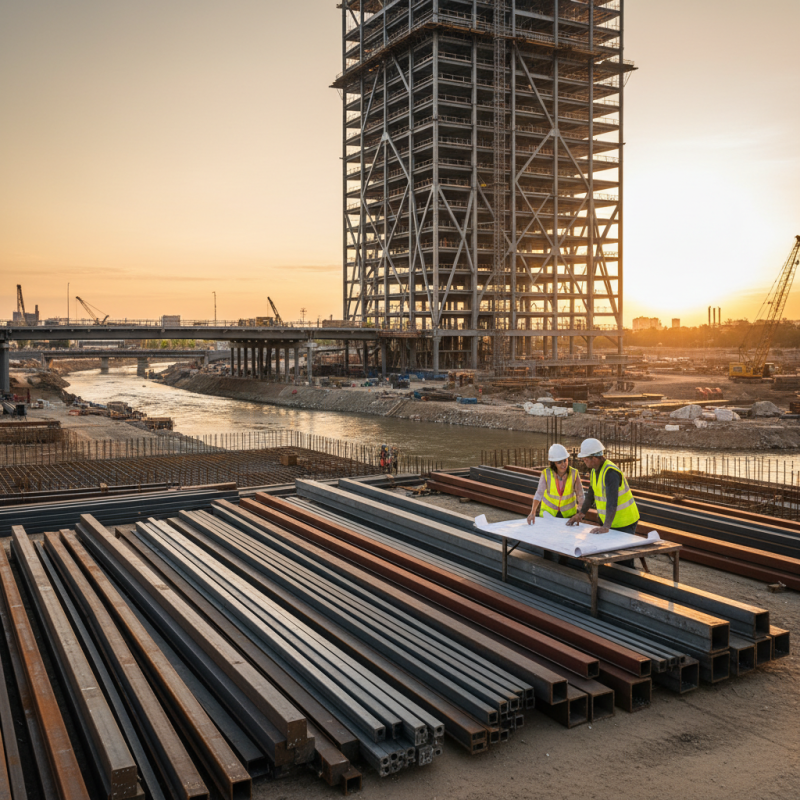
What Types of Steel Are Used in Construction Explained

Types of Structural Steel Used in Construction Projects

When it comes to construction projects, various types of structural steel play crucial roles. Commonly used steel types include carbon steel, alloy steel, and stainless steel. Carbon steel is affordable and widely available. It’s often used for beams and columns in buildings due to its strength and durability. However, it can rust if not treated properly.

Alloy steel contains elements like chromium and nickel. This makes it stronger and more resilient. It is ideal for structures requiring heavy load-bearing capabilities. Stainless steel, on the other hand, is known for its corrosion resistance. This property makes it suitable for environments exposed to moisture. Yet, stainless steel tends to be more expensive, raising budget concerns in some projects.

Different construction projects may require varying steel types. The choice might depend on factors like location and function. Engineers often face challenges in selecting the right steel grade. Not all projects are straightforward. Some may require multiple steel types for different components. Balancing cost and performance can be tricky. Thus, understanding the characteristics of each steel type is essential in ensuring a successful build.

Properties and Specifications of Carbon Steel in Construction

Carbon steel is a primary material in construction. Its properties make it ideal for various applications. This type of steel is mainly iron mixed with carbon. The carbon content can range from 0.05% to 2.0%. This small addition greatly enhances strength and hardness.

There are different grades of carbon steel, each with unique specifications. Mild steel is a common choice for structures. It has low carbon content, making it easy to weld and form. High carbon steel is much harder. It's better for applications needing resistance to wear. However, it lacks in ductility. Sometimes, builders might choose the wrong grade for their needs. This can lead to issues down the line.

The tensile strength of carbon steel is significant. It usually ranges from 370 to 700 MPa. Such strength allows it to support heavy loads without yielding. Yet, it can also be prone to corrosion. This necessitates proper treatment and coatings. Applying these can be challenging and may require careful planning. Some construction projects overlook this, leading to early deterioration.

The Role of Alloy Steel in Enhancing Structural Performance

Alloy steel plays a pivotal role in modern construction. It enhances both strength and durability. By combining iron with other elements like chromium and nickel, manufacturers create steel with superior properties. For instance, the addition of chromium improves resistance to corrosion, making structures last longer under harsh conditions.

According to a report by the American Institute of Steel Construction, alloy steel can increase tensile strength by up to 25%. This characteristic is essential for high-rise buildings and bridges. The ability to withstand heavy loads reduces the need for additional materials. Yet, not all structures benefit equally. In certain instances, the cost of alloy steel may outweigh its advantages.

Material selection remains a challenge. Engineers must balance structural requirements with budget constraints. Miscalculations can lead to over-engineering or under-engineering. It's essential to analyze each project's specific needs and conditions. Upfront research can prevent costly mistakes and unexpected failures.

Comparative Analysis of Stainless Steel for Corrosion Resistance

Stainless steel is widely acclaimed for its corrosion resistance in construction. Its unique alloy composition includes chromium, which forms a protective layer against moisture and environmental factors. This feature significantly prolongs the lifespan of structures. According to industry reports, over 70% of stainless steel applications involve environments exposed to corrosive elements.

Despite the advantages, using stainless steel is not without challenges. Cost remains a primary concern as it is generally more expensive than carbon steel. Some studies indicate that the price can be 2 to 3 times higher, affecting budgetary constraints in construction projects. Additionally, while stainless steel resists rust, it can still corrode under certain conditions, such as exposure to chlorides.

Construction professionals must consider these factors. Regular maintenance is essential. Although stainless steel holds significant benefits, careful evaluation of the environment is necessary. Failure to assess these risks may lead to unexpected costs and repairs. Being aware of the balance between durability and financial implications is critical in decision-making for construction materials.

Comparison of Corrosion Resistance in Different Steel Types Used in Construction

This chart illustrates the corrosion resistance ratings of various types of steel commonly used in construction. The ratings are based on standardized tests that assess each material's ability to withstand corrosive environments.

Emerging Trends in High-Strength Steel Applications in Construction

In recent years, high-strength steel has gained popularity in construction. Its unique properties allow for lighter structures with enhanced durability. This trend is reshaping the way buildings and bridges are designed. High-strength steel can bear more load while using less material, which reduces costs and environmental impact.

Many architects and engineers are embracing this material. They seek not just strength but flexibility in design. The aesthetic possibilities with high-strength steel are vast, enabling innovative shapes and forms. However, there are still challenges. The production process can be complex, and the cost may deter some projects.

The future of construction relies on material advancements. High-strength steel has the potential to redefine structural engineering. Yet, it requires careful implementation and ongoing research. Balancing performance with practicality remains a critical consideration. Collaboration between architects and material scientists is essential to unlock its full potential.

What Types of Steel Are Used in Construction

Type of Steel Composition Applications Emerging Trends
Mild Steel Low carbon content (~0.05-0.25%) Structural beams, frames, and reinforcements Increasing use in sustainable construction projects
High-Strength Low-Alloy (HSLA) Steel Small amounts of alloying elements (e.g., copper, nickel) Bridges, buildings, and heavy-duty vehicles Growing interest in lightweight construction
Stainless Steel Contains at least 10.5% chromium Facades, structural components, and fixtures Enhanced corrosion resistance in aggressive environments
Reinforcing Steel (Rebar) Carbon steel with ribs for better bonding Concrete reinforcement in buildings and roads Innovative composites for improved performance
Weathering Steel Alloyed with copper, nickel, and chromium Bridges, buildings, and sculptures Sustainability focus in exposed conditions

FAQS

: What is stainless steel known for in construction?

: Stainless steel is known for its excellent corrosion resistance and durability in various environments.

What element in stainless steel aids in corrosion resistance?

Chromium is the key element that forms a protective layer and helps resist moisture and corrosion.

What percentage of stainless steel is used in corrosive environments?

Over 70% of stainless steel applications occur in environments with corrosive elements.

What is one major drawback of using stainless steel?

The primary drawback is cost; it can be 2 to 3 times more expensive than carbon steel.

Can stainless steel corrode under specific conditions?

Yes, stainless steel can corrode if exposed to chlorides, despite its resistance to rust.

What is a key trend in modern construction materials?

High-strength steel is trending, enabling lighter structures with enhanced durability and reduced material use.

How does high-strength steel impact construction design?

It allows for more flexible and innovative designs, offering vast aesthetic possibilities.

What is a challenge associated with high-strength steel?

The complex production process and potential costs can deter some construction projects from using it.

Why is collaboration important in high-strength steel applications?

Collaboration between architects and material scientists is crucial to effectively utilize high-strength steel's potential.

What remains a critical consideration in using advanced materials?

Balancing performance with practicality is essential in making effective decisions about construction materials.

Conclusion

The article "What Types of Steel Are Used in Construction Explained" provides a comprehensive overview of the various steel types employed in construction projects. It begins by detailing the different types of structural steel, highlighting their applications and benefits. The properties and specifications of carbon steel are emphasized, showcasing its crucial role in construction due to its strength and versatility.

Furthermore, the role of alloy steel is examined, illustrating how it enhances structural performance through improved hardness and toughness. A comparative analysis of stainless steel underscores its significant advantages in terms of corrosion resistance, making it a preferred choice in harsh environments. Lastly, the article explores emerging trends in high-strength steel applications, indicating a shift towards more innovative materials that meet the evolving demands of modern construction. Through this discourse, readers gain valuable insights into what types of steel are used in construction and their specific attributes that contribute to structural integrity and longevity.

Sophia

Sophia

Sophia is a dedicated marketing professional with an exceptional depth of knowledge about her company's products and services. With a keen understanding of market trends and customer needs, she crafts insightful blog posts that not only inform but also engage readers, enriching the company’s online......