 Altimexor Metal
Altimexor Metal
Altimexor Metal
Years Custom Coating Expertise
Exporting Destinations Worldwide
Metric Tons Annual Capacity
Corrosion Standard Compliant
In modern structural engineering, protecting carbon steel and alloy profiles against aggressive environments is paramount. Bitumen coated steel stands as one of the most reliable, cost-effective barriers against aggressive soils, groundwater, marine environments, and chemical exposures. The combination of structural carbon steel (such as ASTM A36 or EN standards) and a polymer-modified bitumen barrier provides high-strength load bearing with outstanding corrosion defense.
As global urbanization shifts development into challenging geographic areas, the demand for resilient steel materials has spiked. Projects ranging from deep foundation piling in coastal ports to extensive structural water transmission lines require a robust, elastic, and high-build coating. Traditional protective options such as standard powder painting or light galvanizing often fail to survive the shear forces encountered during pile driving or deep soil excavation. The visco-elastic nature of modified bitumen enables it to absorb impacts and retain its barrier integrity even under high physical friction.
Several macro-industrial trends are accelerating the shift toward custom OEM bitumen-coated structural components:
Understanding the underlying science of bituminous protection is key for project planners and procurement officers. Bituminous coatings are formulated from refined coal tar or petroleum-based asphalt, combined with mineral fillers, plasticizers, and polymer modifiers (such as SBS or APP). This formulation ensures that the finished coating exhibits high thermal stability, adhesion, and dielectric strength.
Operates efficiently from -20°C to +80°C without cracking under thermal contractions or sagging under tropical heatwaves.
Withstands severe shear forces during heavy hammer driving of structural piles into dense gravel or rocky clay.
Delivers high electrical resistance (>10 MΩ·m²) preventing galvanic corrosion and mitigating stray soil currents.
Our manufacturing facility adheres strictly to global industrial metrics. Depending on customer specification, our steel runs through precise processes conforming to:
Proper surface preparation is mandatory to ensure these standards are met. Before the application of modified bitumen, all steel profiles undergo mechanical abrasive blasting to ISO 8501-1 Sa 2.5 standards. This removes rust, mill scale, and organic contaminants, establishing a dynamic surface profile (typically 50-75 microns) for optimal mechanical bonding.
As a global steel leader integrating production, supply, sales, and export, Dongguan Altimexor Metal Co., Ltd. has established itself as a benchmark for quality and engineering excellence. We cater to complex custom requests, ensuring that every batch of steel conforms precisely to structural specifications.
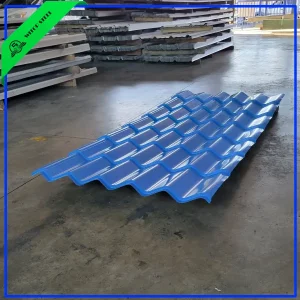
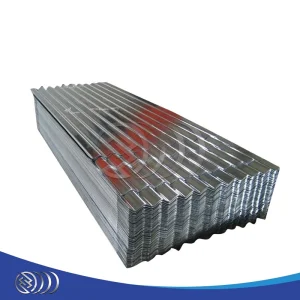
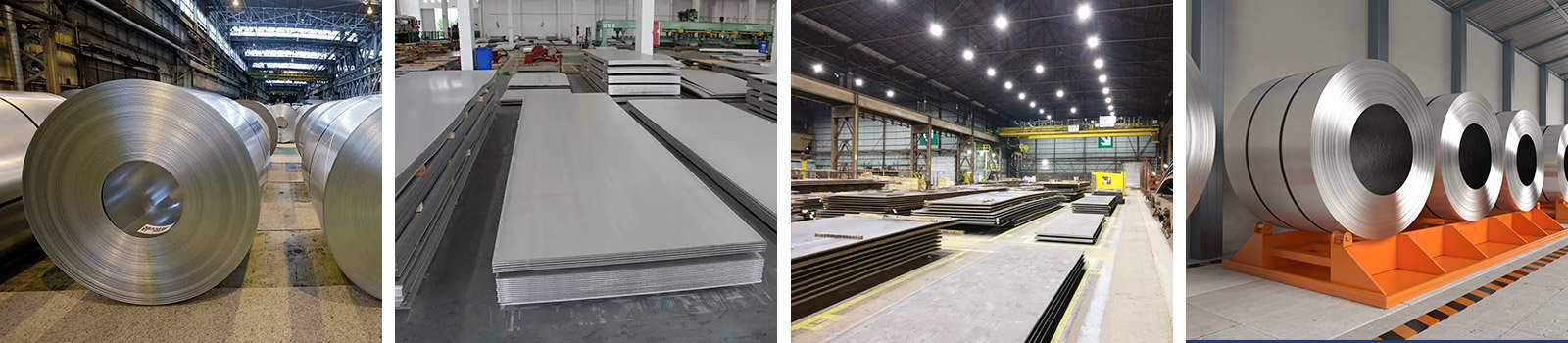
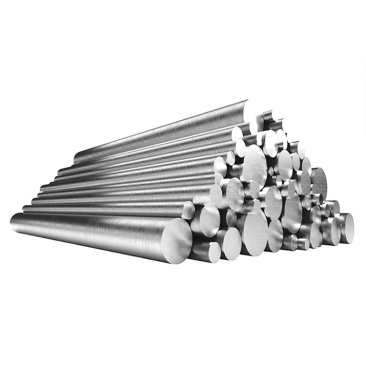
Our core catalog ranges from stainless steel plates, coils, strips, rods, and pipes to critical structural carbon profiles such as GI, GL, PPGI, PPGL, corrugated roof panels, and custom-tempered aluminum plates. By combining structural fabrication with specialized coating lines, we serve as a single-source OEM factory for all heavy-duty infrastructure projects.
Adhering to our corporate policy of "credibility first, advanced service, commitment, and customer first", we guarantee mutual development through strict quality assurance protocols. Our global distribution network spans Southeast Asia, the Middle East, North America, South America, Europe, Africa, and Australia.
Industrial coatings must adapt to specific regional conditions. Environmental challenges like high salinity, temperature swings, and seismic soil shifts dictate what kind of steel core and coating formulation we utilize for the OEM process.
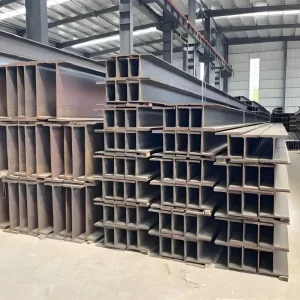
In marine areas (such as Port Developments in Southeast Asia and the Middle East), steel sheet piles and H-beams are exposed to intense sodium chloride concentration. Standard galvanizing often suffers rapid dissolution. Applying a high-build bituminous coat (typically 300 to 500 microns Dry Film Thickness) shields the metal from chloride ions and electrochemical degradation, extending the structure's operating life to 75+ years.
In desert pipeline installations, temperatures can fluctuate up to 40°C between day and night. Standard rigid coatings develop micro-cracks under this constant thermal stress. Bituminous coatings formulated with SBS polymers maintain their elasticity at low night temperatures and resist melting or sagging during hot days, preserving the integrity of structural cross-country water lines.
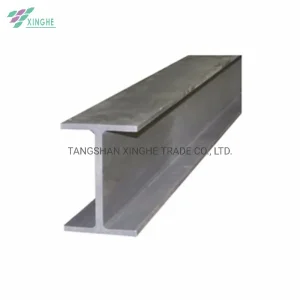
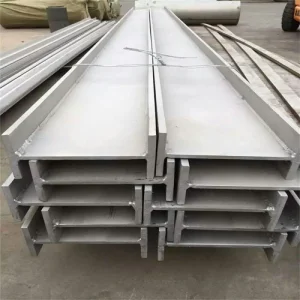
When structural H-beams or circular pipes are driven into hard ground, friction can strip away traditional paint coatings. Our heavy-duty bituminous formulation incorporates reinforced mineral fibers that cushion the steel substrate during installation, preventing bare metal exposure.
Dongguan Altimexor Metal Co., Ltd. does not just supply coatings; we manufacture the raw steel substrate. This complete vertical integration gives us absolute control over mechanical tolerances and metallurgical properties. Our OEM bitumen coating line integrates with:
By sourcing both the raw structural steel shapes and the protective coatings from a single factory, engineers minimize supply-chain complexity and guarantee that the coating process integrates with the metallurgical characteristics of the steel.
As environmental regulations tighten globally, traditional coal-tar formulations are shifting toward more eco-friendly alternatives. Altimexor Metal is investing in water-based, solvent-free bituminous emulsions and polymer-modified asphalt coatings that meet strict volatile organic compound (VOC) limitations.
Furthermore, our advanced research and development division is pioneering hybrid polyurethane-bitumen coatings. This breakthrough blends the elastomeric flexibility and chemical resistance of polyurethane with the cost-efficiency and water-blocking properties of classic asphalt. This hybrid system delivers superior chemical protection, UV resistance, and tensile strength, making it ideal for exposed structural applications like bridge decks and marine splash zones.
To verify coating integrity, every production run at our factory undergoes rigorous testing:
%20Metal%20Products%20Co.%2C%20Ltd._Steel%20Pipe%2CSteel%20Plate&images=https%253A%252F%252Fomo-oss-image.thefastimg.com%252Fportal-saas%252Fpg2025102019471928898%252Fcms%252Fimage%252F048d5311-fbf7-4e5e-8816-c4626d2ac3bf.png_1920xaf.png&summary=)