 Altimexor Metal
Altimexor Metal
Altimexor Metal
Select from our verified range of hot-rolled and cold-drawn precision profiles engineered to strict international standards.
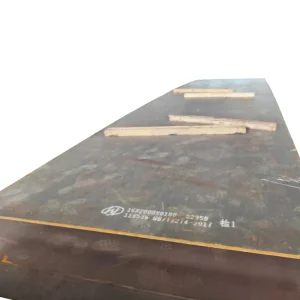
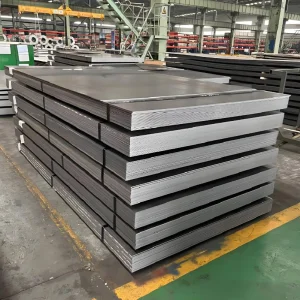
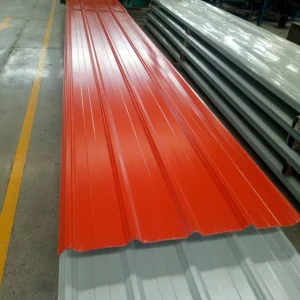
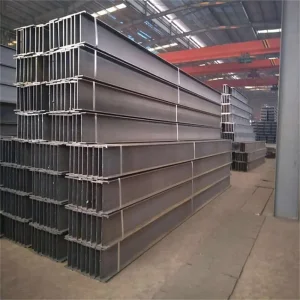
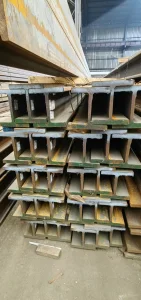
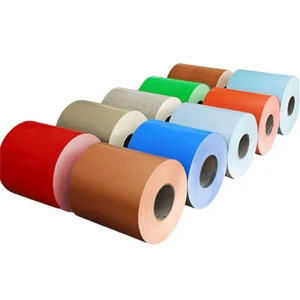
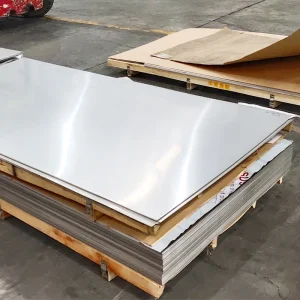
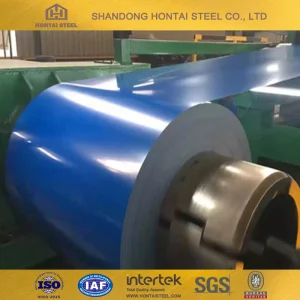
Dongguan Altimexor Metal Co., Ltd. is a premier global enterprise integrating high-precision manufacturing, strategic sourcing, sales, and complex international export logistics. Our multi-facility operations specialize in cold drawn steel shapes, stainless steel plates, high-tolerance structural profiles, and custom galvanized materials.
By adhering to a customer-first methodology, we execute strict metallurgical verification protocols. We serve as a primary supply chain partner across Europe, Southeast Asia, the Middle East, South America, and Africa.
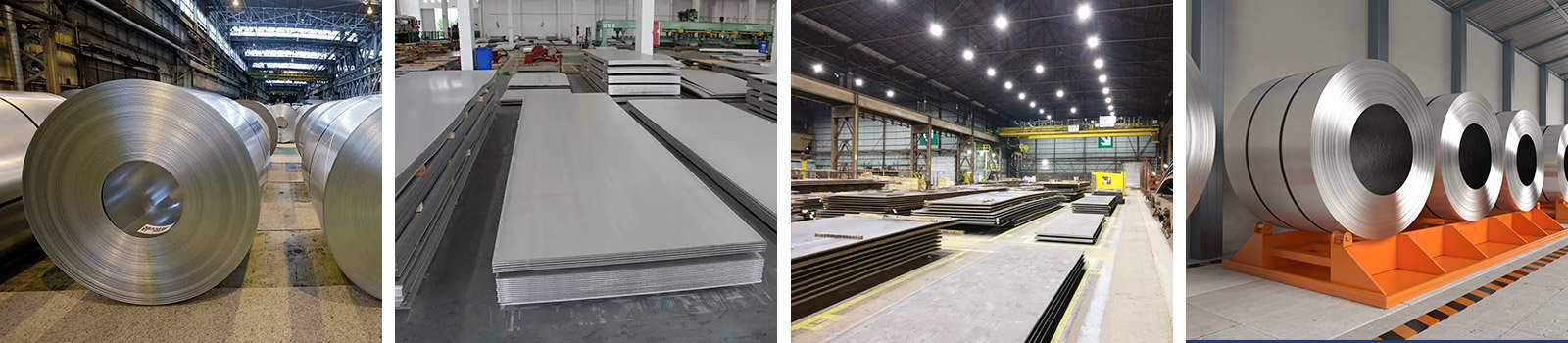
The global metallurgical landscape is experiencing a paradigm shift towards high-strength, low-alloy (HSLA) formulations and precision cold finishing technologies. Cold drawn steel processes—wherein hot rolled bars or coils are pulled through a tungsten carbide or diamond die at ambient temperatures—crucially yield superior dimensional tolerances, enhanced surface finishes, and significantly elevated mechanical performance.
Cold drawing plastically deforms the steel matrix below its recrystallization temperature. This results in dislocation multiplication and grain boundary alignment along the drawing axis, inducing significant work hardening. The yield strength of standard structural steels (such as ASTM A36 or S235JR) can be increased by up to 50%, while tensile strength increases by 15-20%. This structural optimization enables engineering divisions to reduce raw structural mass without compromising safety factor coefficients.
Standard hot rolled products carry surface scale, oxidation, and surface roughness parameters (Ra) averaging 12.5 to 25 micrometers. Cold drawn execution mitigates these surface imperfections, resulting in an Ra value below 1.6 micrometers. This surface integrity minimizes micro-crack nucleation sites, extending fatigue life under cyclic loads. Near-net shape configurations drastically reduce subsequent machining cycles, tool wear, and scrap metal volume for component manufacturers.
Industrial procurement departments face high risk when selecting structural materials for critical construction, infrastructure, or automotive applications. Procurement optimization requires matching localized metallurgical specifications with international standards to achieve mechanical compatibility.
Complete heat number tracking and EN 10204 3.1 certification verifying Yield Strength, Tensile Strength, and Charpy V-notch impact values.
Adherence to strict standards like EN 10278 and ASTM A108, ensuring exact outer diameter limits for seamless CNC machining compatibility.
Non-destructive testing (NDT), including Eddy Current and Ultrasonic testing, to identify micro-cracks and internal voids.
Dongguan Altimexor Metal Co., Ltd. addresses these requirements by enforcing rigorous physical and chemical verification processes. This ensures all structural materials—from heavy carbon steel H-beams to precision cold rolled coils—consistently meet these critical engineering standards.
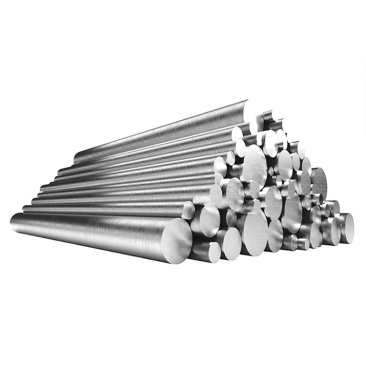
To ensure dependability in critical applications, our structural profiles undergo dynamic mechanical testing. From high-strength alloys to standard mild steel plate coils, our materials are verified for weldability, ductility, and structural load distribution.
Different structural configurations demand precise metallurgical solutions. At Dongguan Altimexor, we align steel chemistry and processing techniques with the specific demands of key global industries.
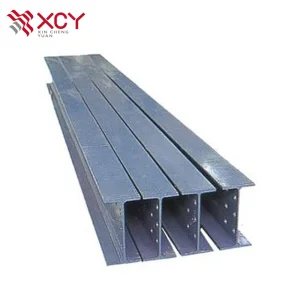
Heavy infrastructure projects require structural members with high load capacity and uniform deformation profiles. Carbon structural steel H-beams, structural channels (such as C-purlins), and hot-rolled mild carbon plates provide the primary skeleton for skyscrapers, bridges, and industrial warehouses. By leveraging ASTM A36 and S355JR grade structural elements, structural engineers can calculate predictable load distribution under wind, seismic, and static pressures.
Automotive drivetrains, transmission shafts, and complex hydraulic fittings require high geometric consistency. Cold drawn round bars and high-tolerance profiles enable high-speed CNC turning machines to run continuously without jamming. The microstructural uniformity of cold drawn alloy steels helps prevent machining variations, minimizing component failures in downstream applications.
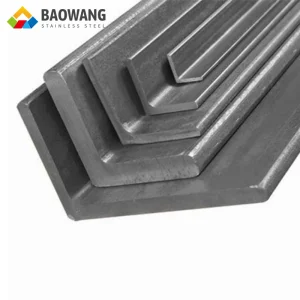
Offshore operations, chemical processing plants, and external building envelopes require reliable corrosion protection. Utilizing duplex stainless steel angle bars (e.g., 304, 316L, 904L) and prepainted galvanized coils (PPGI/PPGL) provides durable protection against aggressive chloride ions and acidic environments, helping to reduce long-term maintenance costs.
The future of the steel industry relies on low-carbon production methods, advanced processing, and digitized supply chains. Dongguan Altimexor Metal Co., Ltd. continuously refines its production lines to minimize environmental impact while maintaining high metallurgical standards.
Our technical roadmap focuses on the integration of online sensor technology and automated draw benches. Real-time laser profiling monitors dimensional tolerances during the drawing process. This allows for instant adjustments to address die wear, ensuring consistent production runs even for large volume orders.
Shipping heavy steel products across international borders requires rigorous logistics planning and compliance management. Structural steel shipments must be carefully prepared to prevent rust and mechanical damage during maritime transport.
Get professional technical answers to common queries regarding cold drawing processes, dimensional tolerances, and material specifications.
Cold drawing pulls a solid metal bar or wire through a shaping die to reduce its cross-section and improve dimensional accuracy. Cold rolling feeds sheet or plate metal through pairs of rollers to achieve uniform thickness. Cold drawing is typically used for bars, tubes, and custom profiles, whereas cold rolling is applied to flat sheets and coils.
Cold drawing increases yield strength and tensile strength through work hardening, while slightly reducing ductility (elongation). This allows designers to use lighter-weight components while maintaining high load-bearing performance.
Grades such as ASTM A36, Q355B, S355JR, and A572 are widely used for structural applications. S355JR and Q355B offer higher yield points (approx. 355 MPa), making them ideal for heavy structural columns, bridges, and industrial building frames.
We perform chemical analysis, mechanical testing (tensile and yield verification), ultrasonic inspection for internal flaws, surface roughness checks, and dimension calibration to meet standards like EN 10204 3.1.
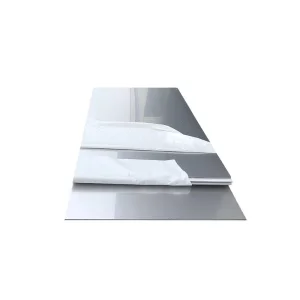
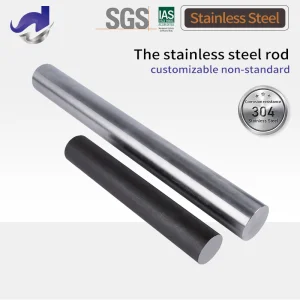
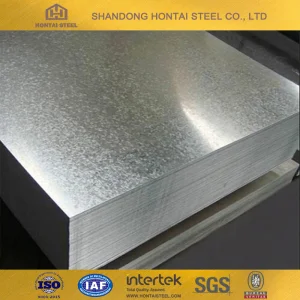
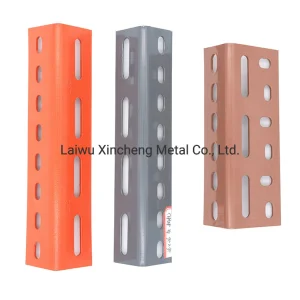
Browse our collection of structural beams, high-performance alloys, and specialized galvanized steel sheets.
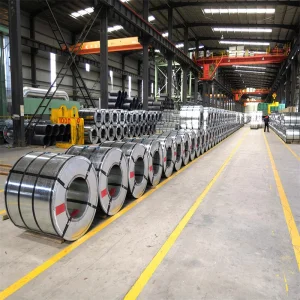
%20Metal%20Products%20Co.%2C%20Ltd._Steel%20Pipe%2CSteel%20Plate&images=https%253A%252F%252Fomo-oss-image.thefastimg.com%252Fportal-saas%252Fpg2025102019471928898%252Fcms%252Fimage%252F048d5311-fbf7-4e5e-8816-c4626d2ac3bf.png_1920xaf.png&summary=)