 Altimexor Metal
Altimexor Metal
Altimexor Metal
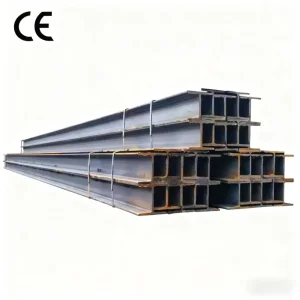
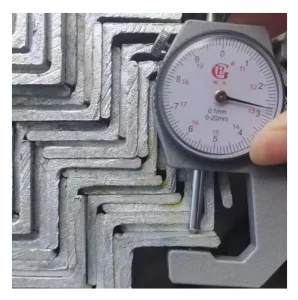
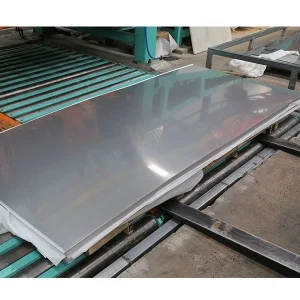
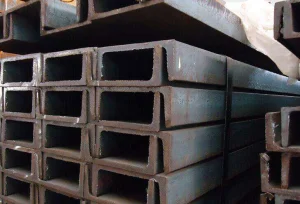
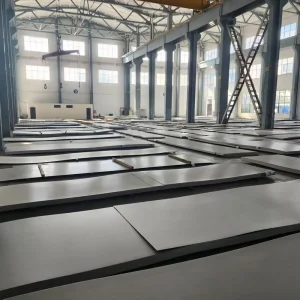
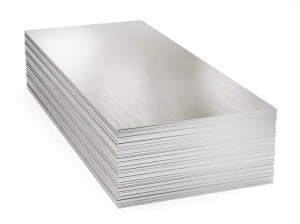
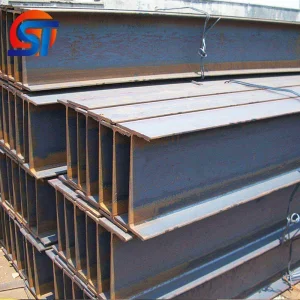
Engineered to global standards including ASTM, BS EN, DIN, and JIS. Explore our high-demand structural plates, beams, and profile inventory.
Galvanized steel wire remains a cornerstone material in global infrastructure, industrial fabrication, and agricultural systems. The metallurgical bonding of zinc coating onto a steel core provides two layers of protection: barrier shielding and sacrificial anode protection. This makes zinc-coated steel wire the preferred selection for harsh weather conditions, marine environments, and high-tension utility applications.
Globally, the demand for galvanized iron (GI) wire is rising exponentially, spurred on by utility expansion, urbanization, and sustainable agricultural techniques. Standard wire-drawing and modern continuous annealing techniques allow factories to achieve tensile strengths ranging from soft, ductile binding wires to ultra-high-tensile fencing systems. Sourcing managers are increasingly looking for factories that can guarantee strict conformance to cross-border metallurgical guidelines, ensuring chemical composition stability and uniform zinc coating thicknesses.
In galvanized wire, the outer layer of zinc acts as a sacrificial anode. When the surface gets scratched or exposed to moisture, the zinc layer undergoes oxidation instead of the underlying steel. This chemical process is mathematically governed by standard electrode potentials: Zinc (-0.76 V vs SHE) is more active than Iron (-0.44 V vs SHE), meaning it will corrode preferentially to protect the base metal and extend service lifespans by up to 50 years.
Understanding the operational differences between hot-dip and electro-galvanizing is critical for industrial application alignment. Each technology dictates the thickness of the alloy layers, fatigue behavior, and chemical resistance thresholds.
The wire is continuously passed through an acid pickling path to strip oxides, followed by an immersion bath in pure molten zinc. This creates complex zinc-iron alloy layers (Gamma, Delta, Zeta, and Eta phases) that ensure mechanical stability. Coating weights exceed 200g/m², ideal for open-air, long-term installations.
Also known as cold-galvanizing, this process employs an electrolytic bath. Zinc cations are deposited onto the cathodic steel wire. The resulting layer is uniform, bright, and highly workable, with typical coating weights ranging between 10g/m² and 30g/m². This is best suited for indoor components, flexible cable armor, and precision wire meshes.
Proper control of heating and cooling cycles within the line allows precise manipulation of the micro-structure. Low-carbon soft annealed wire displays high elongation (up to 20%), while hard-drawn spring steel maintains exceptional yield strengths without breaking under continuous loads.
| Property / Parameter | Hot-Dip Galvanized Wire | Electro-Galvanized Wire | Compliance Reference Standards |
|---|---|---|---|
| Zinc Coating Weight | 80 - 360 g/m² (Highly customizable) | 10 - 40 g/m² (Highly uniform) | ASTM A641 / EN 10244-2 |
| Tensile Strength Range | 350 - 550 MPa (Soft) | 1000 - 1600 MPa (Hard) | 300 - 500 MPa (Excellent ductility) | BS 1052 / DIN 177 |
| Corrosion Resistance Life | 20 to 50 Years (Depending on environmental class) | 3 to 8 Years (Indoor or coated exposure) | ISO 9227 (Salt Spray Test) |
| Layer Microstructure | Distinct alloy layers (Fe-Zn) with pure zinc cover | Pure zinc coating directly bound to steel | ASTM A90 / EN ISO 1461 |
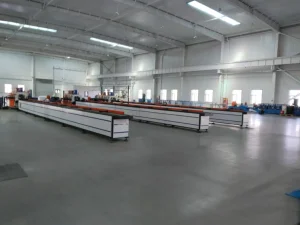
China's dominance in the global galvanized wire sector is backed by vertically integrated steel mills, highly optimized logistical hubs, and large-scale manufacturing infrastructure. Dongguan Altimexor Metal Co., Ltd. demonstrates these strengths, ensuring global clients get the right products at the right time, at highly competitive rates.
Proximity to first-tier wire rod production allows Chinese factories to source consistent carbon steel grades (e.g., Q195, Q235, SAE1006/1008). This ensures uniform drawability, low impurity indices, and zero structural anomalies during high-speed production.
Adhering to strict national environmental frameworks, Chinese facilities have transitioned to automated closed-loop pickling. These systems recover hydrochloric acid and use regenerative zinc bath heating, driving down carbon emissions and production costs.
To secure a flat, ultra-smooth outer shell on hot-dip wires, production lines use computerized nitrogen wipe systems. By adjusting flow pressure relative to wire velocity, zinc layer variations are controlled to within ±3%, far outperforming traditional air-wipe setups.
Different application environments require custom steel characteristics. We optimize and adjust tensile profiles, coil lengths, and protective coatings to match the operational demands of our clients:
Engineered with heavy hot-dip zinc layers (often exceeding 280g/m²), these wires form gabion baskets used for marine erosion barriers and retaining walls. Resistant to saltwater splash zones and highly mechanical impacts.
Used widely across European vineyards and Australian farmlands. High-tensile wires prevent structural sag, while high elongation ensures flexible wrapping without micro-fissuring in the zinc coating.
Supplied to subsea and high-voltage power cable manufacturers. Strict compliance with BS 1442 standards guarantees magnetic permeability control, protecting fiber cores and conductors from compressive failures.
Often utilizing electro-galvanized soft steel, these wires are highly suitable for high-speed automatic spot welding, bending, and forming processes. Provides a clean, reflective aesthetic with zero zinc-peel risk.
The wire sector is undergoing major transformations driven by decarbonization targets and material science breakthroughs. High-value alloys like Galfan (95% Zinc, 5% Aluminum) are gaining traction, offering up to triple the corrosion resistance of standard zinc coatings. This alloy creates a passivated alumina-rich film on the steel substrate, preventing moisture ingress and rust formation.
Additionally, the industry is transitioning away from traditional hexavalent chromium passivations in favor of eco-friendly, trivalent chrome and chrome-free alternatives. These modern coatings comply with RoHS and REACH regulations, helping global buyers meet their ESG targets without compromising on quality or performance.
Dongguan Altimexor Metal Co., Ltd. is a steel company integrating production, supply, sales and export. Our products cover stainless steel plate, stainless steel plate, stainless steel coil, stainless steel strip, stainless steel rod, stainless steel pipe, GI, GL, PPGI, PPGL, corrugated roof panel, aluminum plate/coil, etc., which can be customized according to customer requirements.
We put customer satisfaction in the first place and strictly follow customer requirements for production. With good reputation, strong strength and competitive prices, we will serve our customers. We promise to provide the right products at the right time. The products are exported to Southeast Asia, the Middle East, North America, South America, Europe, Africa, Australia and other regions, forming a global marketing network.
Since its establishment, the company has always implemented the policy of "credibility first, advanced service, commitment, and customer first", adhered to the corporate philosophy of "integrity management, mutual benefit, and common development", and adhered to the corporate philosophy of "high quality, reasonable price, and perfect service" The aim is to serve global customers wholeheartedly. Looking forward to your consultation, thank you.
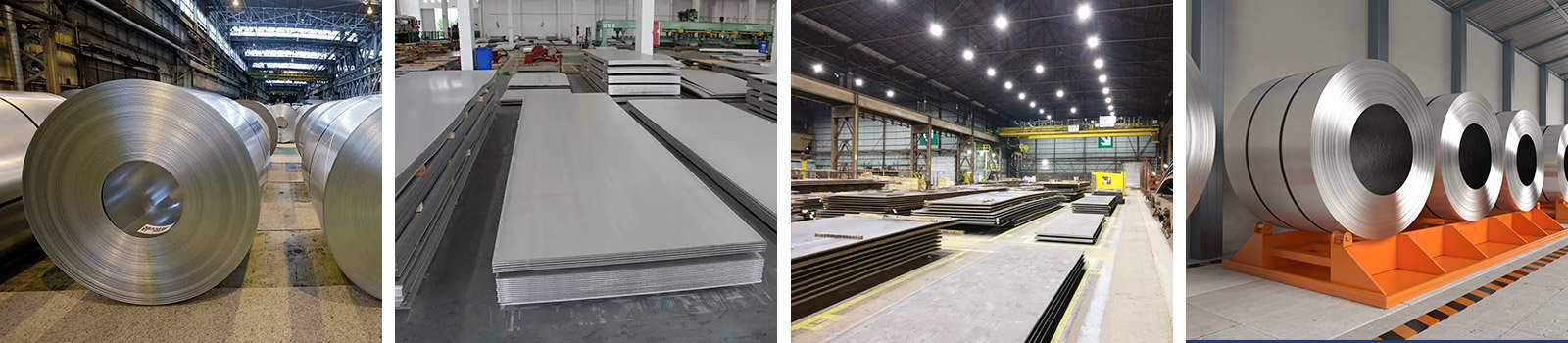
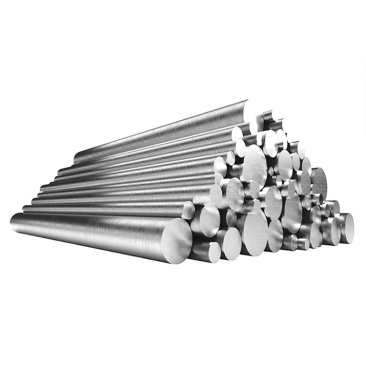
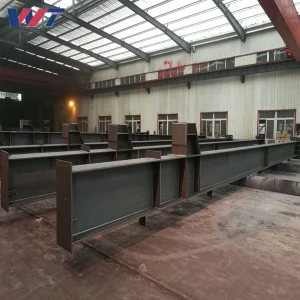
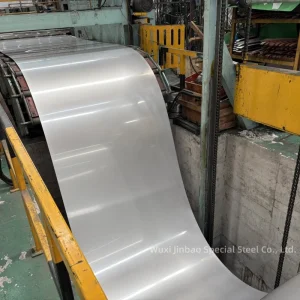
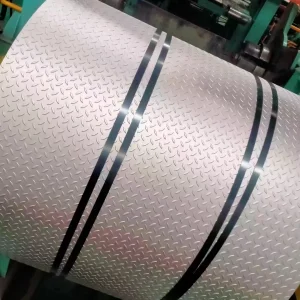
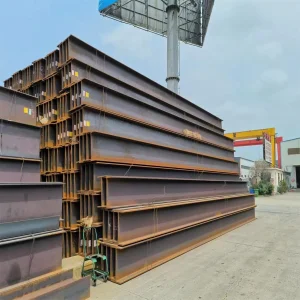
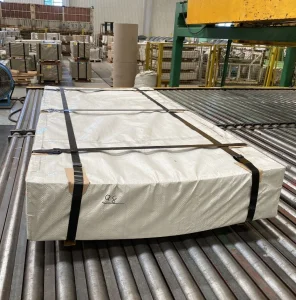
Explore our expanded inventory of heavy coils, stainless profiles, and high-strength H-beams engineered to support global infrastructure projects.
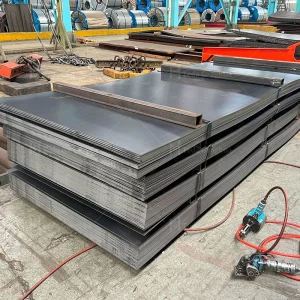
%20Metal%20Products%20Co.%2C%20Ltd._Steel%20Pipe%2CSteel%20Plate&images=https%253A%252F%252Fomo-oss-image.thefastimg.com%252Fportal-saas%252Fpg2025102019471928898%252Fcms%252Fimage%252F048d5311-fbf7-4e5e-8816-c4626d2ac3bf.png_1920xaf.png&summary=)