 Altimexor Metal
Altimexor Metal
Altimexor Metal
Explore our premium steel sheets, custom structural beams, and engineered prepainted profiles processed to absolute global industrial standards.
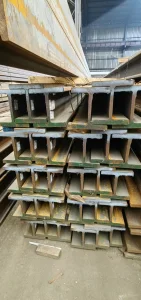
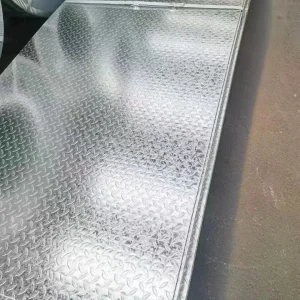
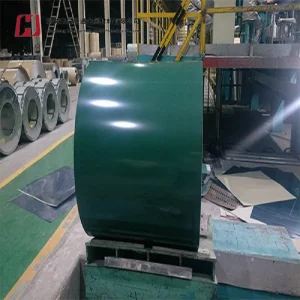
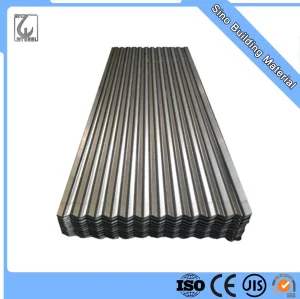
In the architecture, engineering, and construction (AEC) sectors, Prepainted Galvanized Iron (PPGI) and Prepainted Galvalume (PPGL) steel sheets represent a critical evolution in structural engineering materials. Offering a synthesis of structural strength, anti-corrosive performance, and tailored aesthetics, prepainted steel sheets act as the core cladding, roofing, and structural paneling framework globally. The material's capacity to withstand environmental challenges depends deeply on advanced multi-stage coating processes, chemical formulation, and metallurgical substrate engineering.
As primary exporters, Chinese steel manufacturers have transitioned from manufacturing basic hot-dip galvanized substrates to producing complex, high-durability polymer coated alloys. This includes silicon-modified polyesters, PVDF fluorocarbon coatings, and nano-ceramic thermal-reflective layers. B2B buyers must navigate this technical landscape to select combinations that prevent mechanical failures like delamination, micro-cracking, or chalking under harsh UV loads.
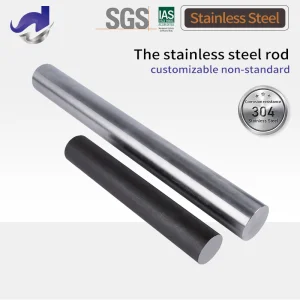
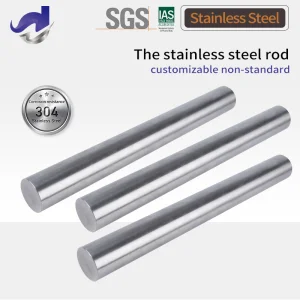
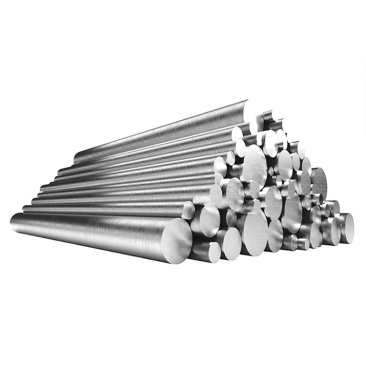
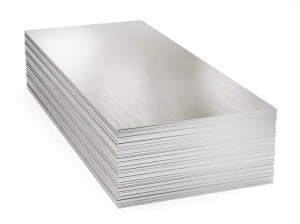
Dongguan Altimexor Metal Co., Ltd. is a leading integrated steel enterprise combining advanced manufacturing, international supply chain logistics, global distribution, and custom fabrication. Our product portfolio spans high-performance stainless steel plate, stainless steel coil, stainless steel strip, structural stainless steel rod, structural pipe, GI, GL, PPGI, PPGL, and corrugated roof panels, along with high-end aluminum plate and coil products.
By prioritizing exact client specifications, Altimexor implements rigorous quality assurance systems to enforce dimensional tolerances and structural integrity criteria. Backed by solid technical execution and market-competitive pricing, we provide robust distribution services to Southeast Asia, the Middle East, North America, South America, Europe, Africa, and Australia.
Established with the core mission of "credibility first, advanced service, commitment, and customer priority", the company operates on a foundation of integrity and mutual developmental value. We provide international clients with deep technical consultancy and reliable logistics services.
The durability of a prepainted steel sheet is determined by the multi-layered paint film built upon the metallic-coated steel substrate. This architecture is designed to prevent oxygen, moisture, and chemical pollutants from reaching the base carbon steel, thereby avoiding galvanic corrosion. Below is a detailed analysis of the coating systems deployed in industrial-grade prepainted steel coils:
Formulated using synthetic resins, PE coating offers reliable adhesion and broad color flexibility. Highly effective for indoor enclosures, standard warehousing, and architectural components exposed to mild weathering conditions.
Utilizing highly branched polycondensation resins, HDP delivers exceptional UV performance and mechanical wear resistance. Recommended for modern high-exposure industrial and commercial developments.
Constructed from 70% fluorocarbon resin (Kynar 500 or Hylar 5000), PVDF is the premium coating for harsh, high-UV, and coastal chemical zones, offering 20-30 years of color stability and corrosion resistance.
| Coating System Type | Dry Film Thickness (Top) | UV Resistance Category (EN 10169) | Salt Spray Corrosion Performance | Primary Industrial Use Case |
|---|---|---|---|---|
| Regular Polyester (PE) | 15 - 20 μm | RUV2 | ≥ 500 Hours | Residential interior framing, standard warehouses |
| Silicon Modified Polyester (SMP) | 20 - 25 μm | RUV3 | ≥ 720 Hours | Agricultural hangars, standard metal walling |
| High Durability Polyester (HDP) | 20 - 25 μm | RUV4 | ≥ 1000 Hours | High-radiation environments, commercial roofing |
| Polyvinylidene Fluoride (PVDF) | 25 - 35 μm | RUV4 (Outstanding) | ≥ 1500 Hours | Coastal facilities, heavy-industry power plants |
To optimize cost-efficiency and performance, prepainted steel sheets must be specified in alignment with the specific macro-climate and local micro-climate conditions of the installation site. Using standardized specifications without analyzing local environmental factors can lead to premature material degradation.
High salt fog and high humidity accelerate chloride-ion penetration through paint defects, causing corrosion. Substrates must be high-mass zinc-aluminum-magnesium or heavy-coated Galvalume (≥ AZ150), topped with PVDF coatings to prevent edge rust and delamination.
Sulfur dioxide, ammonia, and chemical particulates interact with rainfall to create acidic conditions. The solution requires thick chemical-barrier primer coats (polyurethane/epoxy) combined with high-build chemical-resistant topcoats to resist structural weathering.
High UV index zones degrade organic binder matrices, causing paint chalking and color fading. Specifications must require high-durability HDP or PVDF coatings to ensure long-term color retention (Delta E ≤ 2) over extended service lives.
During the profile roll-forming process (converting flat sheet coils into corrugated roofing panels), micro-cracks can develop in the paint film at tight bends. In high-humidity coastal zones, these microscopic fractures allow moisture infiltration. Applying low-T-bend flexible paint systems (such as 2T to 0T coatings) prevents paint rupture during fabrication.
The international steel manufacturing industry is undergoing a significant transition toward sustainability, carbon neutrality, and non-hazardous materials. These developments are directly reshaping the production practices of Chinese prepainted steel suppliers:
In compliance with environmental regulations like RoHS and REACH, Chinese manufacturers have widely adopted chromate-free chemical treatments. Instead of hexavalent chromium, modern treatment lines use titanium-zirconium organic complex solutions. This creates a dense, non-toxic passive film that ensures excellent paint adhesion while reducing the environmental impact of the product throughout its lifecycle.
Cool roof systems utilize specialized infrared-reflective pigments in the topcoat. These pigments reflect a larger portion of near-infrared (NIR) solar radiation away from the building. This technology keeps roof surface temperatures up to 20°C lower, significantly reducing internal HVAC energy consumption and mitigating the urban heat island effect in warm climates.
Advanced R&D programs are integrating bio-derived resins to replace petroleum-based materials. Additionally, nano-TiO₂ photocatalytic coatings are being applied to create self-cleaning surfaces. Under UV exposure, the coating decomposes organic dirt, which is then washed away by rainwater, reducing maintenance costs for large industrial facilities.
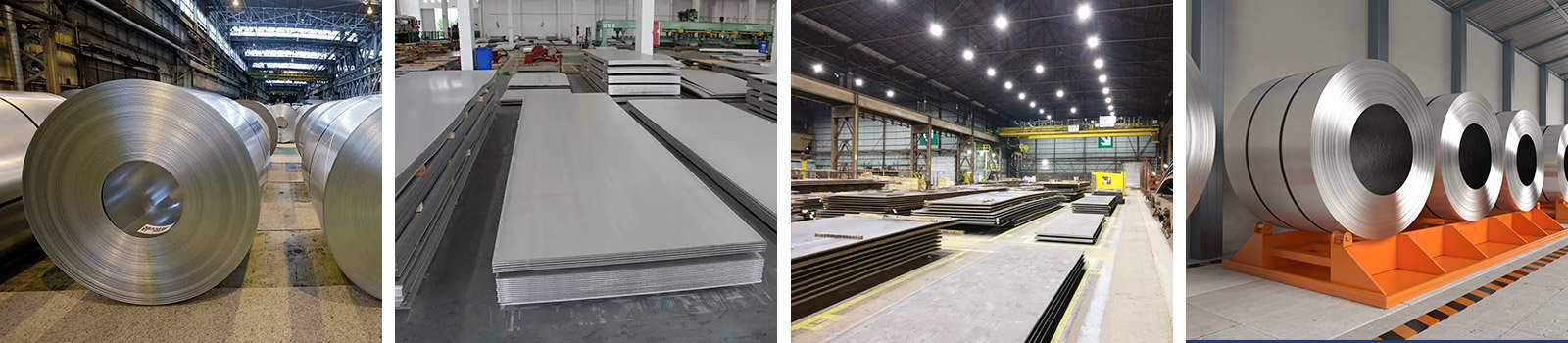
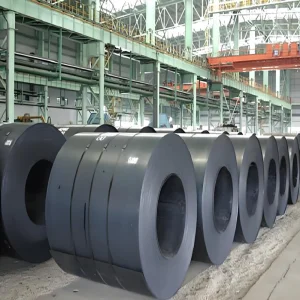
Our extensive inventory includes carbon steels, prepainted coils, hot-dipped galvalume, and structural components designed for high-stress B2B engineering applications.
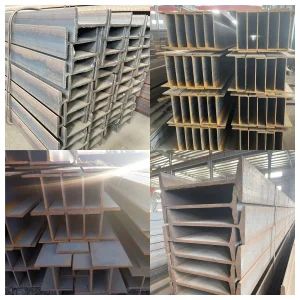
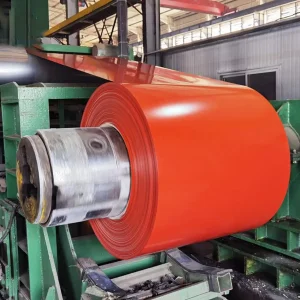
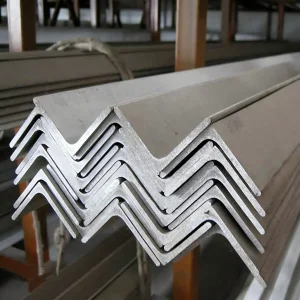
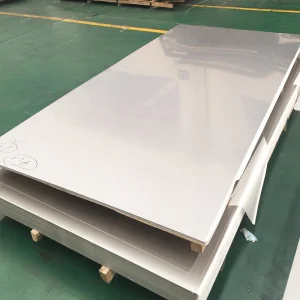
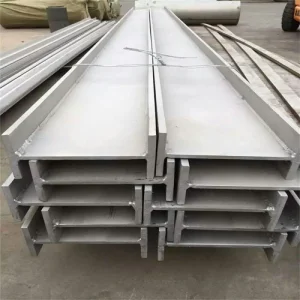
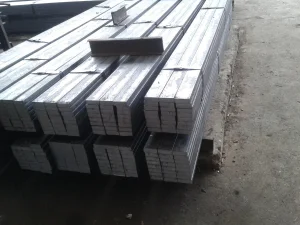
To ensure supply chain reliability, procurement directors must verify that suppliers conform to strict international standards rather than relying solely on product datasheets. Proper B2B auditing of prepainted steel sheets requires verifying specific testing standards and structural certifications:
Evaluate standard paint adhesion using the MEK (Methyl Ethyl Ketone) Rub Test (ASTM D5402) and the T-Bend Test (ASTM D4145). These protocols ensure the polymer coating retains strong adhesion at bent radii, preventing cracking during profiling.
Using optical micrometer thickness tests and electromagnetic induction gauges, confirm that the dried paint film thickness meets target specifications on both the top and reverse coats (e.g., 20 μm + 5 μm primer setup).
Audit testing reports for ASTM B117 salt spray testing and QUV accelerated weathering. Top-tier manufacturers should supply third-party verification from bodies like SGS or TÜV, confirming compliance with ISO 9001 and ISO 14001 standards.
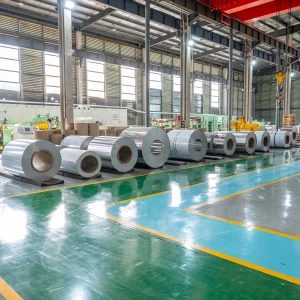
Additionally, the packaging of prepainted coils is critical to preventing storage stains and corrosion. Packaging specifications should dictate the use of robust anti-corrosion poly-wrap, metal outer sleeves, steel edge protections, and packaging bands to secure the coil to heavy wooden skids during ocean transit.
Expert technical answers to key questions about prepainted steel procurement, structural standards, and chemical coating properties.
PPGI utilizes a pure Zinc galvanized substrate (99% Zinc coating layer), providing sacrificial cathodic protection. PPGL is built on a Galvalume substrate composed of 55% Aluminum, 43.4% Zinc, and 1.6% Silicon, which offers superior barrier protection against high-temperature oxidation and acidic environments. PPGL typically lasts 2 to 3 times longer than PPGI under similar climatic conditions, though PPGI is preferred for alkaline or concrete-contact environments.
For marine or coastal zones (classified under C5-M high corrosivity), standard 15-20 μm coatings are insufficient. Specifications must require a minimum dry film thickness of 25-35 μm. This typically consists of a high-build polyurethane or epoxy primer (5-10 μm) topped with a thick fluorocarbon (PVDF) topcoat (20 μm), coupled with a protective back-coat of 10-15 μm, ensuring a total coated thickness that prevents chloride-ion infiltration.
The T-bend rating determines the flexibility and cracking resistance of the paint film when the steel sheet is bent. A rating of 2T or below indicates that the paint can withstand tight-radius roll-forming without micro-cracking. If a paint film micro-cracks during processing, it exposes the underlying metallic coating, accelerating corrosion along the ridges of the roofing panel.
Premium PVDF prepainted steel sheets (containing ≥ 70% fluorocarbon resin) typically carry structural and aesthetic warranties ranging from 20 to 30 years. The warranty guarantees that the coating will not experience paint chalking beyond rating 8 (ASTM D4214) or suffer color fade exceeding 5 Delta E units under standard sunlight exposure.
Base Metal Thickness (BMT) refers solely to the thickness of the structural steel core before processing. Total Coated Thickness (TCT) includes the thickness of the base steel, the metallic zinc or galvalume layer, the primer, and the top/back paint films. B2B buyers should specify BMT to ensure structural integrity, as calling out only thickness without clarification may lead suppliers to deliver thinner core steels padded by thick coatings.
Yes, utilizing multi-color rotogravure printing lines, manufacturers can apply complex pattern designs—such as wood grain, camouflage, marble, or brick finishes—to PPGI/PPGL coils. A clear protective topcoat is then applied over the pattern layer to seal it and protect the aesthetic finish from environmental weathering and UV degradation.
B2B buyers should request the factory's ISO 9001 certificate, Mill Test Certificates (MTC conforming to EN 10204 3.1), and third-party inspection reports (from SGS, Bureau Veritas, or TÜV). Additionally, auditing the factory's on-site laboratory equipment for coating thickness, hardness, and salt-spray testing confirms their quality control capabilities.
To prevent moisture condensation and subsequent corrosion (white rust/paint staining) during long ocean transit, coils must be wrapped in vapor-corrosion-inhibiting (VCI) paper and sealed within high-density polyethylene film. Steel outer casings and edge protectors must be securely strapped, and silica gel desiccant bags should be placed inside the core of the coil during container loading.
%20Metal%20Products%20Co.%2C%20Ltd._Steel%20Pipe%2CSteel%20Plate&images=https%253A%252F%252Fomo-oss-image.thefastimg.com%252Fportal-saas%252Fpg2025102019471928898%252Fcms%252Fimage%252F048d5311-fbf7-4e5e-8816-c4626d2ac3bf.png_1920xaf.png&summary=)