 Altimexor Metal
Altimexor Metal
Altimexor Metal
Explore our premium grade steel profiles, color-coated coils, and heavy structural members engineered to precise industrial tolerances.
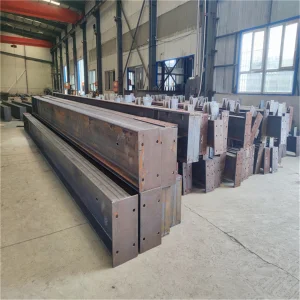
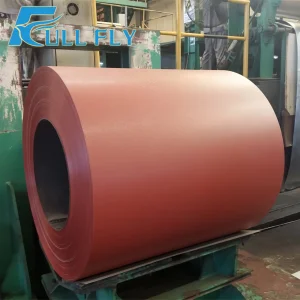
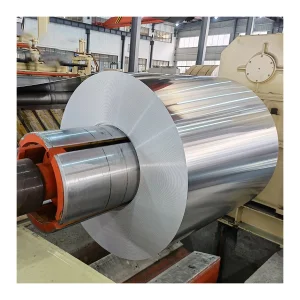
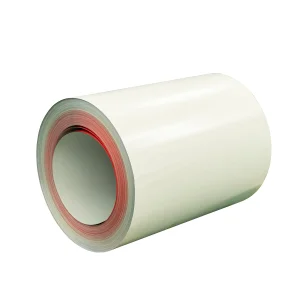
In modern structural design, the choice of piping and conduits forms the critical backbone of industrial scalability. Welded steel pipes, fabricated via high-frequency Electric Resistance Welding (ERW), Longitudinal Submerged Arc Welding (LSAW), and Spiral Submerged Arc Welding (SSAW), represent the state of the art in pipeline engineering. By customizing chemical compositions and metallurgical phases, modern OEM/ODM manufacturing processes produce structural conduits with extreme pressure resistance, outstanding tensile ductility, and impeccable corrosion tolerances.
The structural performance of welded steel pipes depends directly on the quality of their weld seam and thermal treatment history. Advancements in weld seam annealing (seam normalizing) have minimized internal stress concentrations, making modern welded variations matching alternatives to traditional seamless steel piping in demanding civil engineering, oil and gas distribution networks, municipal hydraulics, and structural steel framing application spaces.
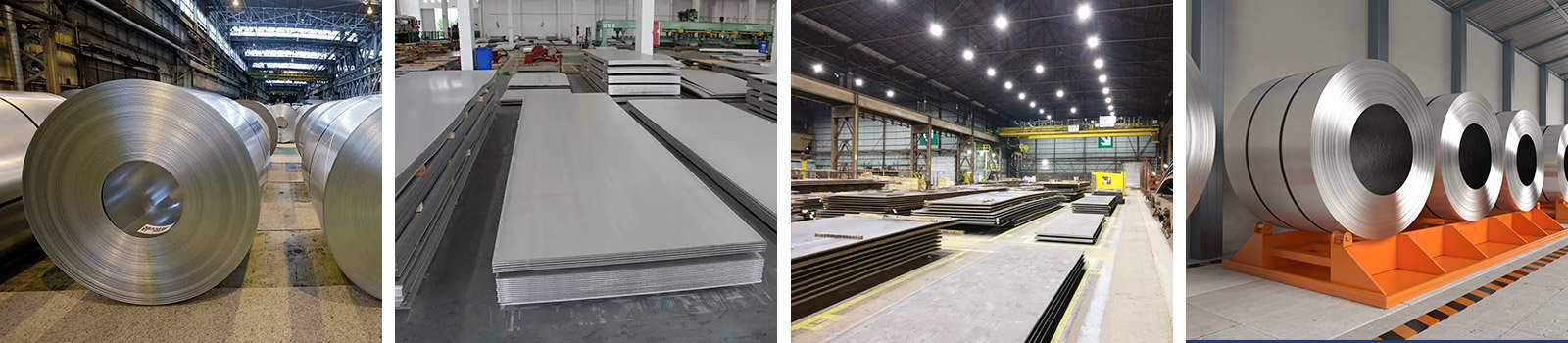
Engineered to withstand extreme environmental parameters, our pipe formulations align with globally recognized regulatory criteria.
As heavy industries shift toward sustainable hydrogen-ready pipelines, geothermal loops, and offshore wind structural towers, procurement managers prioritize strict adherence to chemistry restrictions (carbon equivalents) and non-destructive testing (NDT) reports.
Leveraging high-frequency automatic weld-tracking and inline testing to guarantee zero-defect delivery.
By integrating raw hot-rolled strip slitting, continuous roll-forming, induction welding, and online sizing into a continuous process, Factory 4.0 logistics cut material waste and lower energy costs.
From custom wall thicknesses and specialized outer diameters to complex beveling, threading, 3LPE/FBE anti-corrosive coatings, and structural galvanization, our custom configurations fit directly into project workflows.
Our raw material supply pipelines are anchored directly with leading domestic steel mills (Baosteel, Ansteel). This shields procurement contracts from volatile market shifts and ensures consistent metallurgical quality.
Selecting the appropriate welded steel pipe technology requires matching fabrication methods with the physical challenges of the operating environment:
1. Electric Resistance Welded (ERW) Pipes: Manufactured by cold-forming steel coils into a cylindrical shape. High-frequency electrical current is applied to the strip edges, heating them until they fuse. This process uses no external filler metals. Modern ERW units feature online weld seam heat treatment scanners that normalize the grain structure across the heat-affected zone (HAZ), restoring mechanical uniformity.
2. Longitudinal Submerged Arc Welded (LSAW) Pipes: Formed from heavy steel plates using JCOE or UOE hydraulic forming processes. LSAW pipes are welded using submerged arc technology, which deposits filler wire under a protective flux layer. This method is preferred for high-pressure oil/gas transport, large-diameter deep-sea pipelines, and heavy structural load columns due to its uniform wall thickness and reliable seam quality.
3. Spiral Submerged Arc Welded (SSAW) Pipes: Fabricated by winding hot-rolled steel strip coils at a specific helical angle (spiral angle) and welding the seams together. SSAW allows manufacturers to produce large-diameter pipes from narrower steel strips. It is widely used in water distribution lines, low-pressure industrial mains, and marine piling foundations, offering an efficient solution for large-diameter specifications.
In our manufacturing plants, quality validation involves rigorous testing protocols. Non-Destructive Testing (NDT) is conducted directly on the production lines. Online electromagnetic Eddy Current Testing (ECT) inspects ERW pipes for surface or subsurface imperfections. For structural and high-pressure oil and gas projects, Ultrasonic Testing (UT) scans the weld seam, accompanied by continuous Radiographic Testing (RT) to detect interior micro-porosities and cold welds.
In addition to NDT, physical validation tests verify mechanical properties. Destructive testing on representative samples includes tensile, bending, flattening, and Charpy V-notch impact tests, confirming structural stability at low temperatures. Hydrostatic testing units subject every pipe section to high internal pressures, verifying seam integrity. This rigorous testing ensures all pipes meet ASTM, API, and EN specifications, guaranteeing reliable field performance.
Dongguan Altimexor Metal Co., Ltd. is a steel company integrating production, supply, sales and export.Our products cover stainless steel plate, stainless steel plate, stainless steel coil, stainless steel strip, stainless steel rod, stainless steel pipe, GI, GL, PPGI, PPGL, corrugated roof panel, aluminum plate/coil, etc., which can be customized according to customer requirements. We put customer satisfaction in the first place and strictly follow customer requirements for production. With good reputation, strong strength and competitive prices, we will serve our customers. We promise to provide the right products at the right time. The products are exported to Southeast Asia, the Middle East, North America, South America, Europe, Africa, Australia and other regions, forming a global marketing network.
Since its establishment, the company has always implemented the policy of "credibility first, advanced service, commitment, and customer first", adhered to the corporate philosophy of "integrity management, mutual benefit, and common development", and adhered to the corporate philosophy of "high quality, reasonable price, and perfect service" The aim is to serve global customers wholeheartedly. Looking forward to your consultation, thank you.
Get professional technical insights directly from our metallurgical engineers.
Welded steel pipes offer tighter wall thickness tolerances, more uniform concentricity, and a smoother internal surface finish compared to seamless pipes. Modern high-frequency welding combined with heat-treatment normalizing guarantees that the weld seam matches the strength and ductility of the parent steel. This provides an efficient, cost-effective solution for structural and medium-pressure projects.
We offer advanced protective coatings, including hot-dip galvanization (conforming to ASTM A123), dual-layer Fusion Bonded Epoxy (FBE), three-layer polyethylene (3LPE), and coal tar epoxy paints. These coatings form a robust physical barrier that isolates the steel surface and the weld zone from aggressive soil chemistry, moisture, and chemical exposure.
Every batch undergoes standard tests, including Eddy Current Testing (ECT), continuous ultrasonic weld inspection, hydrostatic pressure testing, tension tests, and flattening/bending tests. We also accommodate third-party inspections (SGS, TUV, BV) and provide Mill Test Certificates (MTC) matching EN 10204 3.1 or 3.2 formats.
The welding process creates localized high temperatures, altering the crystalline microstructure of the steel near the seam. Normalizing reheats this heat-affected zone (HAZ) to approximately 900°C, followed by controlled air cooling. This refines the grain structure, relieves residual stress, and ensures uniform mechanical properties across the pipe.
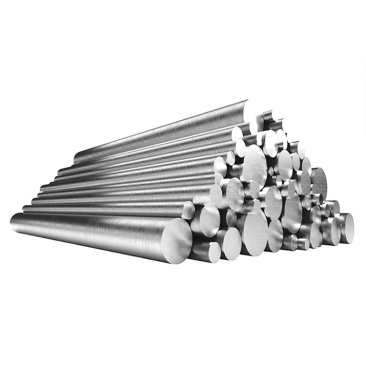
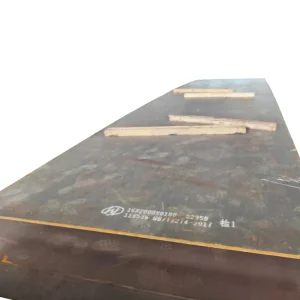
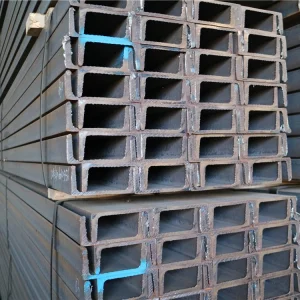
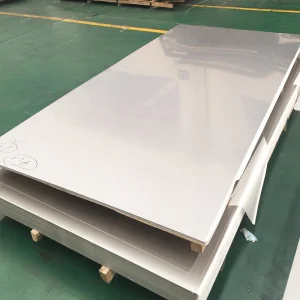
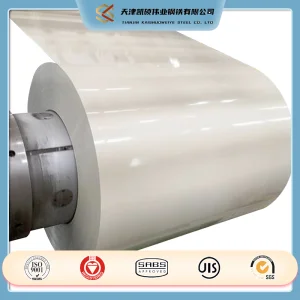
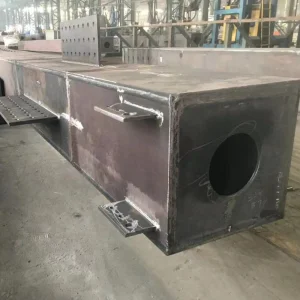
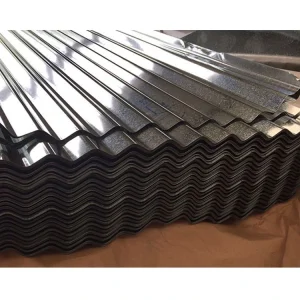
Complete your project sourcing with our extensive line of structural plates, galvanized coils, and cold-formed sections.
%20Metal%20Products%20Co.%2C%20Ltd._Steel%20Pipe%2CSteel%20Plate&images=https%253A%252F%252Fomo-oss-image.thefastimg.com%252Fportal-saas%252Fpg2025102019471928898%252Fcms%252Fimage%252F048d5311-fbf7-4e5e-8816-c4626d2ac3bf.png_1920xaf.png&summary=)